
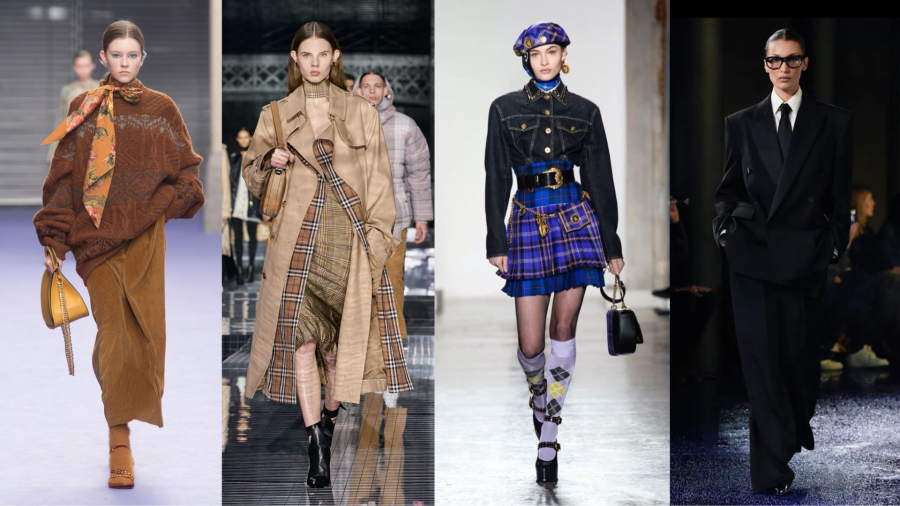
Britain isn't just a country of rainy streets and royal pageantry — it's a global hub of style, creativity, and cultural identity. From the streets of London to countryside boutiques, British fashion blends heritage, innovation, and bold self-expression. For visitors, understanding the country's iconic brands is more than ticking off designer names — it's a way to connect with the story behind the clothes, and see how tradition meets modernity in every stitch.
British style has also long been shaped by its subcultures — from punk and new wave to tailoring traditions rooted in Savile Row. This mix of establishment and rebellion has produced designers who respect craftsmanship while constantly rewriting the rules. The result is a fashion identity that feels layered and lived-in, where a trench coat, a sharp suit, or a statement dress can all carry social, historical, and personal meaning at once.
Whether you're a fashion lover planning a London shopping trip or simply curious about what makes British style distinct, these seven brands offer an essential introduction to the UK's sartorial landscape.
Burberry — Timeless British Luxury
Founded in 1856 by Thomas Burberry, the brand is a cornerstone of classic British style. Its trench coat and signature checks are recognised worldwide, but Burberry's importance extends beyond branding. The invention of gabardine fabric, originally designed to protect explorers and soldiers from harsh weather, reflects a uniquely British blend of practicality and refinement.
Visitors can explore Burberry's flagship on Regent Street, where heritage outerwear sits alongside modern silhouettes. Owning a Burberry trench is less about trend and more about investing in a piece of enduring design history.
Alexander McQueen — Drama Meets Precision
Established in 1992 by Lee Alexander McQueen, the label is synonymous with theatrical runway shows and razor-sharp tailoring. McQueen's work often draws on Gothic references and emotional storytelling, transforming clothing into wearable art.
While red-carpet appearances bring global visibility, the brand's lasting power lies in craftsmanship. Structured jackets, sculptural dresses, and precise tailoring allow wearers to project confidence and individuality — a hallmark of modern British fashion.
Vivienne Westwood — Punk Spirit and Political Voice
Vivienne Westwood represents the rebellious heart of British style. Emerging from the 1970s punk movement, Westwood used tartan, safety pins, and provocative slogans to challenge social norms. Her work blurred the line between fashion and activism.
Shopping in Westwood is an encounter with fashion that speaks for itself. Corsetry, bold tailoring, and historical references merge with a sense of irreverence, reminding wearers that clothing can be both expressive and subversive.
Stella McCartney — Ethical Fashion with Edge
Since launching her label in 2001, Stella McCartney has become a leader in sustainable luxury. By rejecting leather and fur, she has shown that eco-conscious design can sit comfortably within high fashion.
Her collections combine sharp tailoring, fluid silhouettes, and modern femininity, appealing to shoppers who want their wardrobes to reflect personal values as well as style. McCartney's influence has helped shift industry conversations towards responsibility and innovation.
Paul Smith — Classic Tailoring With a Twist
Founded in 1970, Paul Smith captures the wit often associated with British culture. Known for classic cuts enlivened with colourful linings or signature stripes, the brand proves tailoring need not be predictable.
For visitors, Paul Smith offers a lesson in how British fashion balances tradition with playfulness. A well-cut suit becomes more personal through subtle, unexpected details.
Barbour— Heritage Meets Utility
Established in 1894, Barbour's waxed jackets and quilted coats are practical staples rooted in Britain's countryside traditions. Originally designed for outdoor life, they have become cross-generational fashion icons.
The jackets' durability and timeless appeal highlight a British appreciation for clothing built to last — functional yet stylish enough to move from rural settings to city streets.
Mulberry — Leather Craftsmanship That Lasts
Founded in 1971, Mulberry is renowned for quality leather goods. Bags such as the Bayswater and Alexa have achieved modern classic status, valued for both design and longevity.
Visitors seeking a lasting memento of British design often turn to Mulberry, where craftsmanship and understated elegance define the brand's appeal.
Shopping Tips for Visitors Exploring British Fashion
If you're planning to shop for these iconic brands in person, knowing where to go and what to look for can make the experience smoother — and more rewarding.
Best Areas in London for Fashion Shopping
Many flagship stores are clustered in central London, making it easy to explore several brands in one day.
- Regent Street & Bond Street – Ideal for luxury houses such as Burberry and Mulberry, alongside other high-end international labels.
- Mayfair – A quieter but prestigious area where you'll find boutiques like Alexander McQueen and Stella McCartney, often with a more intimate shopping experience.
- Covent Garden – Known for a mix of heritage and contemporary brands, including Paul Smith, in a lively, walkable setting.
These neighbourhoods are well connected by the Underground, making them convenient stops even for short visits.
What Items Are Most Worth Investing In
British brands are known for pieces that outlast trends. Visitors often prioritise:
- Burberry trench coats – A timeless outerwear staple suited to the UK climate.
- Barbour waxed jackets – Practical, durable, and deeply tied to British countryside heritage.
- Mulberry leather bags – Structured, classic designs built for longevity.
- Tailoring from Paul Smith – Versatile suits or jackets that balance tradition and personality.
These items reflect the British emphasis on craftsmanship, function, and longevity, making them both stylish and practical purchases.
Tax-Free Shopping
International visitors may be eligible for VAT refunds on goods purchased in the UK and taken home, depending on current government rules. Shoppers should ask in-store about tax-free procedures and keep all receipts and documentation required for airport processing.
Why Shopping In Person Feels Different
While all these brands offer online stores, visiting physical boutiques adds context — from store design to fabric feel and tailoring details. Many flagships also highlight brand heritage, giving shoppers insight into craftsmanship and history that goes beyond the clothing itself.
More Than Fashion: How British Brands Tell a Cultural Story
Exploring these labels isn't just about shopping; it's about understanding how British identity, heritage, and creativity are expressed through fashion. From heritage coats to punk statements, ethical luxury to playful tailoring, British brands continue to shape global trends while offering garments with cultural depth.
British fashion thrives on contrast — tradition versus rebellion, aristocratic polish versus street influence. Designers such as McQueen and Westwood challenge norms, while Burberry and Barbour preserve craftsmanship traditions. This tension keeps British style dynamic and relevant.
Values also play a growing role. Stella McCartney's focus on sustainability shows how British fashion increasingly reflects responsibility alongside aesthetics. These brands are associated not only with appearance but also with ideas—individuality, longevity, and thoughtful design.
For visitors, a trench coat, waxed jacket, or leather handbag becomes more than a purchase. Such items are built to last, reflecting a British emphasis on both function and style. For fashion enthusiasts, these labels provide context for global trends, many of which trace their roots back to British design movements.
Ultimately, these brands show how fashion can serve as a cultural language, expressing identity, history, and modern life. Engaging with them transforms clothing into something meaningful — not just something to wear, but something that tells a story.