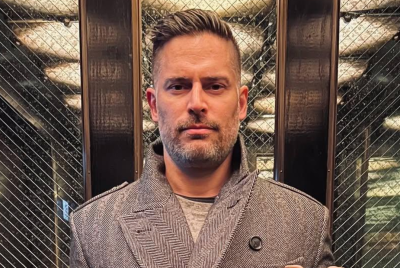
Fox News host Sean Hannity has addressed growing online concern about his health after viewers pointed out what they described as a noticeably 'raspy voice and puffy face' during recent broadcasts.
The discussion spread rapidly across social platforms, prompting speculation and concern among audiences about whether the long-running television personality was unwell.
The concerns were largely driven by clips and screenshots circulating online, with some users highlighting visible differences in Hannity's appearance and vocal tone compared with earlier appearances.
While much of the reaction remained speculative, the volume of commentary led Hannity to directly respond to the rumours.
The situation reflects a wider trend in which public figures' on-screen appearances are increasingly scrutinised in real time by audiences on social media, often leading to rapid waves of speculation that outpace official clarification.
Hannity Breaks Silence on Health Speculation
Hannity addressed the concerns on X, reassuring viewers that he is recovering from a medical issue rather than experiencing anything more serious. He explained that the symptoms noticed by audiences were linked to treatment for a neck injury sustained during training.
According to his explanation, he developed a painful pinched nerve in his neck, for which he was prescribed prednisone, a steroid medication commonly used to reduce inflammation.
While effective in treating the underlying condition, the medication reportedly led to side effects including laryngitis and facial puffiness, which contributed to the changes viewers observed on air.
Thanks to everyone who has checked in. I've already addressed this several times on my radio show, but while training, I developed a painful pinched nerve in my neck. My doctor put me on prednisone to reduce the inflammation, and while it's helping, it led to laryngitis and some...
— Sean Hannity 🇺🇸 (@seanhannity) June 24, 2026
Hannity also addressed recent health concerns during his radio programme, The Sean Hannity Show, on Monday, where he spoke candidly about his recovery and reassured listeners about his voice.
During the broadcast, he asked his regular co-host Lynda McLaughlin, 'Don't I sound better today? Aren't you excited to hear my voice back?'
'I am, and I think America is excited that you're not dying of a stroke,' McLaughlin replied.
Hannity later explained to listeners that he had sought medical advice for his symptoms, saying, 'I actually went to a doctor, and what he said is I had a bad sinus infection, which led to laryngitis, and I didn't wanna take this crappy medicine called prednisone, and so he just said to ride it out, don't worry about it, you're not hurting your vocal cords at all.'
He emphasised that these effects are temporary and medically recognised, and stated that he remains active and continues his professional commitments.
Medication Side Effects Behind 'Puffy Face' and Voice Change
Medical reporting indicates that prednisone and similar corticosteroids can cause fluid retention and changes in appearance, including facial swelling, particularly when taken over short courses or during recovery periods. These side effects are widely documented and can vary depending on dosage and duration of treatment.
Hannity's explanation aligns with this known medical profile, with both voice hoarseness and facial puffiness being consistent with short-term steroid use combined with inflammation of the upper respiratory tract.
He also noted that he continued working through the recovery process, maintaining his broadcasting schedule while managing the condition.
Although speculation online intensified due to visual comparisons between older and more recent appearances, there has been no credible reporting indicating any life-threatening or serious chronic illness.
Social Media Amplifies Public Concern
The episode quickly gained traction online, with users sharing side-by-side comparisons of Hannity's appearances and debating possible causes for the change. Some viewers expressed concern, while others dismissed the speculation as exaggerated.
In some cases, commentary on social platforms escalated into more sensational interpretations, reflecting a broader pattern in which public figures' health becomes the subject of viral discussion without confirmed medical information.
The reaction illustrates how quickly visibility changes in high-profile media figures can generate widespread speculation, particularly when combined with fragmented clips and incomplete context.
Hannity's Response to Online Rumours
In his public remarks, Hannity sought to downplay the speculation, thanking viewers for their concern while firmly attributing the changes to medication effects and recovery from injury. He indicated that he remains active, continuing both his television and radio work.
He also addressed the broader online conversation with a tone of frustration, noting that short-term physical side effects had generated more attention than his long broadcasting career.
Despite the rumours, he reiterated that he is 'fine' and recovering, signalling no intention of stepping away from his professional responsibilities.
A Pattern of Heightened Scrutiny For Public Figures
The incident highlights a recurring phenomenon in modern media, where minor changes in appearance or voice can trigger widespread speculation about a public figure's health. With constant access to broadcast clips and social media commentary, audiences are able to amplify perceived changes within minutes.
Media analysts have long noted that this environment can create misinformation loops, where initial concern quickly evolves into rumour without a verified medical context.
In Hannity's case, the speculation appears to have been driven by visible side effects of a prescribed medication rather than any undisclosed condition.
Continuing Broadcasting Amid Recovery
Despite the attention surrounding his appearance, Hannity has continued to host his programme and remain active in his media roles. His explanation suggests that the underlying condition is temporary and manageable, with recovery expected to continue alongside his professional schedule.
While online discussion continues, the official position remains consistent: the changes observed by viewers are linked to a medically prescribed treatment and are not indicative of a more serious health crisis.