A Shakira lookalike performer has found herself unexpectedly drawn into a FIFA branding controversy after reports emerged that the football governing body is reviewing whether her World Cup-related content may have crossed the line into unauthorised commercial use. While no legal action has been confirmed, the scrutiny alone has sparked fierce debate over whether FIFA is protecting its intellectual property – or overreaching in its policing of fan-driven entertainment culture.
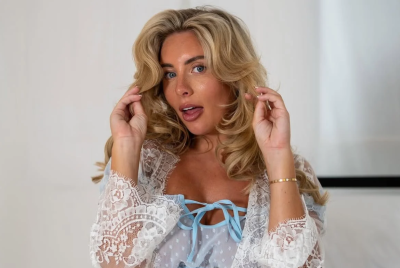
According to reporting by Hola, ShakiBecca, whose real name is Rebeca Maiellano, is under review following performances and online content allegedly featuring visual references to the 2026 World Cup.
The concern centres on whether those elements could imply an unofficial association with FIFA's official tournament branding.
Why FIFA'S World Cup Branding Crackdown Matters
FIFA is widely known for its strict enforcement of intellectual property rights, particularly during World Cup cycles where sponsorships, broadcasting deals, and commercial partnerships are worth billions. Its branding – including logos, slogans, and official imagery – is heavily protected, and even indirect associations can trigger enforcement action if they suggest endorsement.
In ShakiBecca's case, reports indicate that FIFA is assessing whether her content may have blurred that boundary by incorporating imagery or styling connected to the 2026 tournament. However, crucially, there has been no confirmation of a lawsuit or formal legal action, only an internal review at this stage.
That distinction has fuelled growing online debate, with many questioning whether FIFA's approach reflects necessary brand protection or an increasingly aggressive stance against unofficial cultural references. Legal experts have long noted that organisations like FIFA often act pre-emptively, particularly where commercial confusion or implied endorsement could arise.
The issue also highlights how modern sporting events have become highly sensitive to social media amplification, where even tribute-style content can quickly spread and be interpreted as official or affiliated material. In that environment, enforcement boundaries have become increasingly difficult to define.
ShakiBecca's Rise and the Blurred Line of Imitation
ShakiBecca has built her profile as a tribute performer to Shakira, gaining a significant online following thanks to her striking resemblance to the Colombian superstar and her recreation of Shakira's choreography and stage style. Her performances frequently circulate on social media, where they attract attention for their accuracy and entertainment value.
However, the current controversy is not centred on imitation itself, but on branding and perceived association.
The concern raised in reports is whether her World Cup-related content could be interpreted as linking her performances to FIFA's official tournament identity rather than existing purely as tribute entertainment, as noted by Latin Nation.
There is no suggestion that Shakira is involved in the dispute, despite her long-standing association with football audiences and previous World Cup performances. Instead, the focus remains firmly on how tribute acts operate within increasingly commercialised entertainment spaces where celebrity likeness, branding, and sponsorship lines often overlap.
The situation has reignited a wider cultural debate about impersonation and tribute culture in the digital age. While many performers rely on celebrity resemblance as their artistic identity, intellectual property law becomes more complex when content intersects with protected global brands, particularly those as commercially significant as the World Cup.
At present, FIFA has not issued any public statement confirming enforcement action, and ShakiBecca has not publicly addressed the reported review in detail.
But even without formal proceedings, the controversy has already exposed the fragile boundary between fan expression, commercial entertainment, and global brand protection, a line FIFA appears increasingly unwilling to let blur.