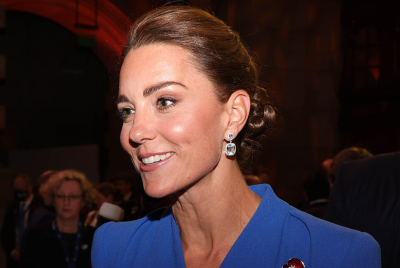

Taylor Swift has asked a judge to intervene in the trademark lawsuit brought by Las Vegas performer Maren Wade, challenging efforts to pursue the case in California. According to TMZ's 25 November report, Swift's motion states: 'Here we go again. Enough is enough.'
Wade alleges that the title of Swift's album, The Life of a Showgirl, infringes her earlier Confessions of a Showgirl mark. In her first amended complaint, filed in June, Wade says she began using the name for a column about her experiences as a working performer in 2014.
The project later expanded into live performances, a book, a podcast and video content. The complaint also identifies a US trade mark registration for Confessions of a Showgirl, registered in 2015 and covering entertainment services. Wade's lawsuit separately challenges the alleged use of The Life of a Showgirl on consumer merchandise.
Wade Cites Swift's California Appearances
The dispute centres on whether Swift's activities in California provide grounds for the case to be heard there. TMZ reported that Wade cited Swift's appearances in the state, including an October performance at the Academy Museum Gala, in support of her argument.
Swift disputes that performing in California provides a sufficient basis for the proceedings to continue there, according to the report. The jurisdiction question is separate from the underlying trademark allegations. Whether a court can hear the case does not, by itself, determine whether infringement occurred.
The Life of a Showgirl's Commercial Success
The Associated Press reported that The Life of a Showgirl sold four million copies in its first week following its October 2025 release.
In February 2026, the International Federation of the Phonographic Industry (IFPI) named it the biggest-selling global album of 2025. It topped the organisation's Global Album Chart, which combines streaming, downloads and physical formats, as well as its Global Album Sales and Global Vinyl Album charts. IFPI reported 6.05 million units in physical album sales and full-album downloads for the release during 2025.
Wade also advances a reverse-confusion argument, alleging that Swift's greater commercial reach could lead consumers to associate her album with the performer's earlier brand. The legal theory concerns situations in which a commercially-dominant later entrant allegedly overshadows an earlier user's established identity.
'[Wade] has built her professional identity under it for more than a decade, and she has no portfolio of alternative brands, no corporate backing, and no global marketing operation to compete for consumer attention. Defendants have all of these. That asymmetry is directly relevant to the equities, and it tips in plaintiff's favour,' Wade's legal team said in her filing.


Swift's Earlier Legal Defence
In earlier court filings reported by Rolling Stone in September, Swift's lawyers argued that the album is an expressive work protected by free-speech principles and that its promotional merchandise should be treated as an extension of that work.
Her legal team also argued that the California court lacked personal jurisdiction over Swift, whom they described as a Tennessee resident.
Taylor Swift's team has denied wrongdoing and described the lawsuit as 'meritless,' TMZ reported. The publication also said she accused Wade of using her name to attract attention to a 'little-known cabaret show.'
'There is absolutely no doubt that this woman, because of exuberance or trying to realise commercial gain, was very much affiliating herself with Ms. Swift for eight months while millions was spent to get this album out there, and it can't be undone,' Swift's lawyer J. Douglas Baldridge said.
The dispute remains unresolved, with Swift contesting the California proceedings and Wade maintaining her claim over the earlier Confessions of a Showgirl mark.