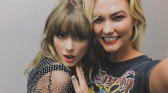
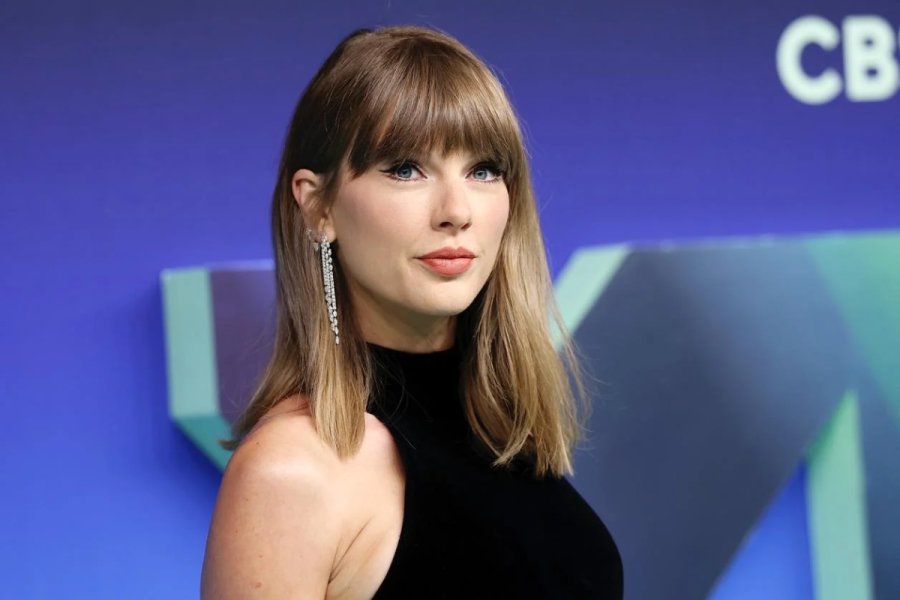
Taylor Swift reportedly turned down two requests from Condé Nast, the publishing company behind Vanity Fair and Vogue, to secure exclusive photographs from her wedding to Travis Kelce. The requests were made months before the magazine published a controversial profile of the singer that examined her personal relationships, career and public image.
The timing has since drawn attention. It has also raised questions about her relationship with Condé Nast, given her previous appearances in its publications.
Taylor Swift Declines Wedding Photo Requests
Sources told Page Six that Condé Nast had approached Swift about obtaining exclusive photographs from her July wedding to Kelce. 'They asked for the photos months ago, twice', an insider confirmed. 'Taylor politely declined. Condé Nast really wanted them'.
Neither Swift nor Kelce has released official wedding photographs to the public. Representatives for the singer and Condé Nast did not respond to requests for comment, according to the publication.
Taylor Swift shut Vanity Fair publisher out of wedding exclusive months before magazine’s takedown https://t.co/7teEclhkWF pic.twitter.com/NEgoDpp3ER
— Page Six (@PageSix) November 24, 2026
Swift and Kelce married on 3 July in a multimillion-dollar celebration at Madison Square Garden in New York City. The Kansas City Chiefs tight end and the pop superstar welcomed approximately 1,000 guests for the occasion.
The ceremony was reportedly officiated by comedian Adam Sandler, while music legends Stevie Nicks and Paul McCartney performed for the guests. Despite the scale of the celebrations, the couple have kept their wedding photographs private. The decision to withhold the pictures has also meant that fans have not received an official look at Swift's bridal outfit or the details of the ceremony.
Vanity Fair Publishes Controversial Profile
The reported wedding-photo requests have resurfaced as Vanity Fair faces criticism over its latest feature on Swift, published on 23 November under the title The Mastermind.
Written by journalist May Jeong, the lengthy profile explores the singer's upbringing, professional relationships, past disagreements and carefully cultivated public image. Rather than directly naming Swift, the article refers to her as 'The Star' and uses pseudonyms for several other people discussed in its account.
Jeong said the feature drew on interviews with more than 100 people. However, the article's critical tone and reliance on anonymous sources have prompted questions about its reporting approach, with some readers challenging the claims and anecdotes included.
One unnamed music industry source compared Swift to Regina George, the popular and intimidating character played by Rachel McAdams in the 2004 film Mean Girls. The profile questioned Swift's past accounts of being bullied in school, with former classmates offering different recollections of her social standing and experiences during those years.
The article also examined her parents' involvement in her early career, detailing her father's reported financial investment in a Nashville record label and his connections that helped secure some of her first performance opportunities. It also included a former schoolmate's recollection that Swift owned three pairs of Ugg boots in brown, black and blue. It's a detail on the article that fans described as 'pathetic' criticism.
Previous Connection to Condé Nast
The situation has also drawn attention because Swift has previously enjoyed a prominent relationship with Condé Nast's fashion publications, particularly Vogue.
The singer has appeared on several Vogue covers and has a longstanding friendship with Anna Wintour, the magazine's former editor-in-chief. Wintour currently serves as Condé Nast's chief content officer and Vogue's global editorial director.
However, there is no confirmed evidence that Swift's refusal to provide wedding photographs influenced Vanity Fair's editorial decision or the timing of the profile. Neither Condé Nast nor Swift has established a connection between them.