Christa Pike's final fight over lethal injection centred on whether her veins and blood disorder could increase the risk of severe pain during the procedure. The issue gained renewed attention after more than three decades had passed since 19-year-old Colleen Slemmer was killed.
Meanwhile, some social-media users criticised the lengthy legal process and the years that had passed before Pike's execution was attempted. One commenter said her sentence 'should have been carried out decades ago'.
Lawyers Raised Concerns Over Her Veins
Pike's legal team argued during a three-day hearing in Knoxville that her thrombocytosis, a condition involving an increased platelet count, could create complications during lethal injection. Her lawyers also said difficult-to-access veins could make it harder for medical staff to establish an intravenous line and administer the drugs.
Defence expert Dr Joel Zivot testified that problems accessing Pike's veins could potentially result in severe suffering, describing a possible sensation as 'burning alive'. The defence argued that repeated attempts to establish intravenous access could prolong the procedure, although the state disputed the extent of that risk.
State Doctors Disputed the Pain Risk
The state challenged the defence's medical arguments, with haematologist Dr Richard Mansour pointing to Pike's recent medical history. He testified that medical staff had successfully completed nearly all of her recent blood draws with a single needle stick, arguing against the suggestion that her veins presented an unusual access problem.
Special Master W. Mark Ward, appointed by the Tennessee Supreme Court, found that the evidence did not establish a substantial risk of severe pain from Pike's veins or blood disorder. The state had also agreed to allow Pike's Buddhist adviser to be present in the death chamber, resolving that separate issue.
The Injection Attempt Then Took a Turn
The legal battle continued until the day of the scheduled execution, when the Sixth Circuit issued a last-minute stay that temporarily prevented Tennessee from carrying out the sentence. The US Supreme Court later vacated that stay, clearing the way for the state to proceed at Riverbend Maximum Security Institution.
The execution attempt ultimately failed after Tennessee administered two doses of pentobarbital while Pike remained alive. She was subsequently taken to an off-site medical facility, making the earlier dispute over intravenous access an especially significant part of the case.


Pike Has Spent More Than 30 Years in Prison
Pike was 18 when she took part in Slemmer's killing in 1995 alongside her then-boyfriend, Tadaryl Shipp. Shipp was 17 at the time and received a life sentence with the possibility of parole, while Pike was sentenced to death.
The case attracted intense attention because of the violence involved and the pentagram carved into Slemmer's body. Pike's lawyers have also cited her mental-health history and childhood sexual abuse in arguments over her sentence, including claims about the circumstances of her upbringing.
For those feeling sorry and protesting Christa Pike’s execution tomorrow, this is what she did 30 years ago.
— My moms caregiver (@mymomcare) September 30, 2026
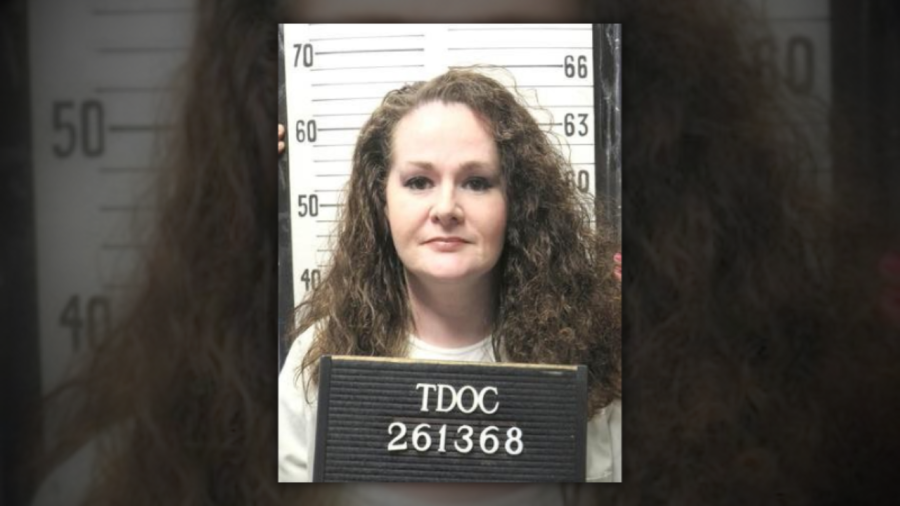
The picture is Christa Pike at 18.
She lured 19-year-old Colleen Slemmer into the woods because she thought the girl was after her boyfriend. She and that boyfriend then… pic.twitter.com/rCgfGmaJIu
Social Media Focused on the Long Wait
The more than three-decade gap between Slemmer's killing and Pike's attempted execution became a focus of comments supplied with the story. Some social-media users criticised the cost of keeping Pike in prison and funding years of legal proceedings, while another individual commenter wrote that the sentence 'should have been carried out decades ago'.
Wasting 30 years of taxpayers money. She should have been executed the first year
— Salty Grandma 🇺🇸 (@OneSaltyGrandma) September 30, 2026
Those comments represent the opinions of individual social-media users rather than evidence establishing the actual financial cost of Pike's imprisonment. They nevertheless illustrate how the lengthy period between the crime and attempted execution became part of the online reaction surrounding the case.
She is pure evil and her sentence should have been carried out decades ago.
— Lauren Bradley (@TNHottyToddy) September 30, 2026
Tennessee's Rare Execution of a Woman
Pike's case also has unusual historical significance because Tennessee had not executed a woman in more than two centuries. Nationally, women have represented only a small fraction of executions since the US Supreme Court reinstated the death penalty in 1976.
The failed lethal-injection attempt has now added another chapter to a case that began in 1995. Pike survived the failed execution attempt and was taken to an off-site medical facility, leaving the legal and practical questions surrounding her death sentence unresolved after more than three decades.