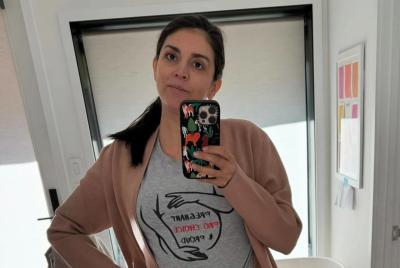

TikTok influencer Daphne Blunt has unexpectedly found herself at the centre of a very modern internet scandal—one involving Tudor history, royal bloodlines and thousands of sceptical social media users armed with Google searches and Wikipedia pages.
The Los Angeles-based creator recently went viral after claiming she is descended from King Henry VIII through his former mistress Elizabeth 'Bessie' Blount. In videos circulating online, Blunt also described her family as having once been part of the British aristocracy, with references to dukedoms and royal lineage quickly catching viewers' attention.
For some followers, the story sounded glamorous and eccentric enough to fit neatly into the polished 'old money' image she often presents online. But for others, especially history enthusiasts, the claims immediately raised eyebrows.
Within hours, Reddit threads and TikTok commentary videos began pulling apart the details.
@daphneblunt_ 10 things you might not know about me 🤍 outfit from @cosettediames ♬ Bossa Nova jazz that seems to fit in a cafe(1433079) - TAKANORI ONDA
Why Are People Questioning Daphne Blunt's Royal Ancestry Claims?
Most of the criticism centres around Henry FitzRoy, the only acknowledged illegitimate son of Henry VIII and Bessie Blount.
Historically, FitzRoy was granted the title Duke of Richmond and Somerset by his father, which made him one of the most prominent figures at the Tudor court during his short life. However, historians widely agree he died in 1536, aged just 17 and left no confirmed heirs behind.
That is the key point many online critics keep returning to.
One Reddit user wrote that while Bessie Blount herself has descendants through other family connections, Henry FitzRoy's bloodline is generally believed to have ended with him. Others pointed out that FitzRoy's marriage to Mary Howard did not produce children, despite the enormous political advantage an heir would have created during Henry VIII's reign.
For Tudor history fans, that detail matters.
As several commenters noted, if FitzRoy had fathered a legitimate child, it likely would have been heavily documented because of the intense political obsession surrounding succession at the time.
Instead, online users argued that the lineage Blunt specifically referenced appears historically unsupported.
The Internet Quickly Turned the Situation Into a Spectacle
What may have started as a niche history debate soon became full-scale influencer discourse.
Social media users accused Blunt of exaggerating her background for attention, while others joked that the entire situation felt like 'TikTok meets The Tudors'. Some commenters questioned why anyone would make a claim tied to such easily searchable historical records in the first place.
One Reddit post that gained traction read: 'Why would you even claim something that can be disproven with a Wikipedia article?'
Another user commented: 'Being rich, loving pink and acting mysterious clearly wasn't enough anymore.'
The criticism was not entirely serious, though. Much of the discussion took on the tone of internet gossip rather than genuine outrage, with users treating the controversy as another bizarre chapter in influencer culture.
Still, the reaction highlights how quickly audiences now investigate public claims online, especially when they involve royalty, wealth or status.
Daphne Blunt's Online Image Already Leaned Into 'Old Money' Aesthetics
Blunt has built much of her social media presence around ultra-feminine luxury-inspired content.
Across TikTok and Instagram, she frequently shares videos featuring pastel fashion, polished interiors, designer accessories and soft-focus beauty looks that tap into the internet's obsession with 'old money' style. There are pearls, bows, pink satin details and references to exclusivity woven throughout her content.
The alleged royal ancestry story arguably fitted that carefully curated image almost too perfectly.
That is partly why the backlash spread so quickly. Audiences are increasingly suspicious of influencers who blur the line between branding and reality, particularly when status or family history becomes part of the performance.
Some critics also resurfaced earlier online controversies involving Blunt, including previous influencer drama connected to reality television personality Leah Kateb. Those discussions added fuel to the perception among some users that Blunt intentionally leans into viral moments.
Why the Fascination With Aristocracy Still Dominates Social Media
The reaction also says a lot about the internet's continuing obsession with inherited wealth and aristocratic fantasy.
In recent years, TikTok has become saturated with 'quiet luxury', 'old money' and European high-society aesthetics. Young influencers regularly romanticise countryside estates, riding boots, vintage jewellery and elite family legacies, often without much historical context attached.
For many viewers, the appeal is less about factual accuracy and more about escapism.
A claim involving Henry VIII, aristocratic bloodlines and centuries-old family connections naturally fits into that fantasy-driven online world. It sounds cinematic, dramatic and just unbelievable enough to go viral.
But social media audiences are also becoming much sharper at spotting inconsistencies.
Unlike earlier eras of influencer culture, followers now actively fact-check creators in real time. Reddit threads, TikTok explainers and reaction accounts have become part of the ecosystem, particularly when influencers make bold claims involving money, fame or heritage.
Daphne Blunt Has Not Publicly Addressed the Backlash
As of 27 May 2026, Blunt has not directly responded to the criticism surrounding her comments about Henry VIII or Bessie Blount.
The videos continue circulating online, with some viewers defending her and others treating the situation as internet comedy rather than serious controversy.
At this stage, the debate feels less like a genuine historical scandal and more like a snapshot of how influencer culture now works. A single comment can spiral into thousands of strangers discussing Tudor succession laws, aristocratic titles and TikTok authenticity all at once.
And somehow, centuries after Henry VIII's reign ended, the Tudor family tree is still creating drama online.