TikTok Shop is moving further into luxury fashion. Pre-owned Hermès, Chanel, Louis Vuitton and Cartier pieces are now appearing alongside the affordable clothing, beauty products and accessories that helped establish the platform's shopping reputation.
The growing presence of high-end designer goods is raising questions about whether luxury fashion's traditional exclusivity can survive the rise of social commerce.
Tik tok shop?
by u/lennilou in chanel
TikTok Shop As the New Luxury Platform?
Once associated largely with inexpensive online finds and viral fashion purchases, TikTok Shop is increasingly becoming a destination for shoppers interested in secondhand designer handbags, watches and accessories.
Some listings feature products worth thousands of dollars, including Hermès and Chanel handbags priced at around US$11,000.
According to Bloomberg, much of the inventory comes from secondhand retailers rather than the fashion houses themselves.
Resellers are using TikTok's reach to introduce designer pieces to consumers who might not ordinarily shop through traditional luxury boutiques.
The development represents a significant change in the platform's retail identity. Rather than competing with affordable fashion marketplaces, TikTok Shop is attempting to attract shoppers interested in collectible and pre-owned designer products.
TikTok Shop Turns Luxury Resale Into a Livestream Shopping Experience
Livestream shopping is becoming an important part of TikTok's luxury resale strategy, allowing sellers to showcase expensive designer products while interacting directly with potential buyers.
A September 2026 report by Digiday, citing Modern Retail, revealed that luxury resale on TikTok Shop in the United States recorded a 400 per cent year-over-year increase in gross merchandise value. Livestreams accounted for 94 per cent of the category's revenue in 2026 year-to-date.
The format gives shoppers an avenue to examine products beyond the photographs and descriptions typically available on traditional online marketplaces.
These online hosts can show handbag dimensions and discuss visible wear. They can also answer questions about materials and show details that might entice customers to buy.
Luxury resale businesses such as Fashionphile and Rebag have also used livestreams to reach shoppers interested in designer accessories.
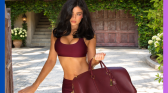

For consumers, the experience offers a different way to discover sought-after pieces without visiting a luxury department store or specialist resale boutique. For sellers, it provides an opportunity to turn fashion content into direct sales.
However, the growing popularity of expensive products on a platform traditionally associated with affordable purchases also raises questions about buyer confidence and authentication.
Can Secondhand Chanel and Hermès Make Luxury Fashion More Accessible?
The growing interest in pre-owned designer fashion reflects a wider shift in how consumers approach luxury shopping.
For younger shoppers, particularly Gen Z, purchasing secondhand designer products can offer an alternative to paying full retail prices. Vintage handbags, discontinued collections and rare accessories can also provide access to designs that are no longer readily available in traditional boutiques.
TikTok Shop's expansion into pre-owned luxury follows an earlier UK and US rollout in April 2024, when the platform introduced partnerships with established resale businesses, including Luxe Collective, Sellier Knightsbridge and Hardly Ever Worn It.
Posts from the nycinfluencersnark
community on Reddit
Vogue reported at the time that TikTok Shop raised its UK price ceiling to £4,000 to accommodate selected secondhand luxury listings, creating another route for younger consumers to discover designer fashion.
The appeal is not necessarily limited to affordability. Vintage and pre-owned pieces can offer shoppers access to distinctive designs, older collections and handbags that have developed their own following among fashion enthusiasts.
The shift also places luxury resale within conversations about more sustainable consumption, as buying previously owned products allows desirable fashion pieces to remain in circulation rather than being replaced by newly manufactured alternatives.
Counterfeit Concerns Put Luxury Authentication Under the Spotlight
Despite the growing interest, selling expensive designer products through social commerce comes with challenges.
Counterfeit goods remain a concern across online marketplaces, particularly when shoppers are spending thousands of dollars on handbags, watches and accessories.
TikTok Shop has introduced authentication requirements for its luxury resale category. According to Bloomberg's reporting, approved third-party providers, including Entrupy, help participating sellers verify the authenticity of handbags and other designer products.
The platform also requires sellers to provide authentication documentation within a specified period after an order is received. Watches require verification by certified watchmakers.
These measures are intended to build confidence among shoppers who might otherwise hesitate to purchase expensive designer goods through a social media marketplace.
However, authentication requirements do not automatically eliminate every risk associated with online resale. Buyers still need to consider product condition, seller credibility, return policies and the documentation accompanying individual purchases.
Is Luxury Fashion Losing Its Exclusivity?
TikTok Shop's growing luxury resale business presents an interesting challenge for an industry traditionally built around exclusivity, heritage and carefully controlled shopping experiences.
For decades, designer handbags and accessories have been associated with prestigious boutiques, limited availability and aspirational branding. Social commerce introduces a different environment, where expensive products can appear alongside everyday purchases and be promoted through entertaining livestreams.
That does not necessarily mean luxury fashion is losing its appeal. Instead, the growing resale market suggests that consumers are finding different ways to participate in designer fashion without following traditional retail routes.
The distinction between owning a luxury product and purchasing it directly from a luxury brand also remains important. The appearance of Chanel, Hermès and Louis Vuitton products on TikTok Shop does not mean those fashion houses have officially opened their own storefronts on the platform.
Still, as more shoppers discover vintage handbags and pre-owned designer accessories through livestreams, TikTok Shop could become an increasingly influential part of the luxury resale market.
The bigger question is whether traditional luxury fashion can maintain its sense of exclusivity while its products become more accessible through platforms designed around mass audiences and instant purchases.