Counterfeit designer bags have long been viewed as a cheaper alternative for shoppers chasing luxury looks. But a recent UK High Court ruling has drawn an important line between ordinary fake goods and the growing world of 'superfakes'.
According to the court, these higher quality copies are far more dangerous because they are convincing enough to replace genuine purchases, making them far more damaging to luxury fashion brands than typical counterfeit products.
Influencer's Side Hustle Lands in Court
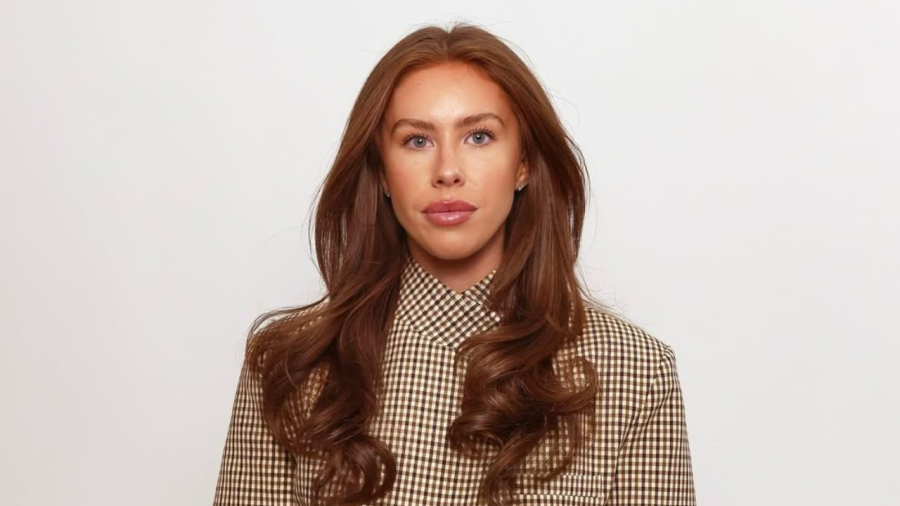
The case centred on social media influencer Georgia Aldridge, who was ordered to pay £213,000 in damages after luxury fashion companies accused her of selling counterfeit designer products through a separate business called Rolo Fashion.
Aldridge, who has more than 32,000 Instagram followers and runs Sloane House Marketing in Loughton, Essex, built her online career by helping businesses grow through social media. Away from that business, however, she also operated a dropshipping venture that sold products marketed as luxury fashion items from brands including Fendi, Louis Vuitton and Christian Dior.
Some products were sourced through AliExpress, while certain sales were arranged in a dedicated WhatsApp group before legal action eventually shut the operation down around 18 months ago.
The Difference That Changed the Case
While counterfeit goods were central to the case, Judge Richard Hacon made it clear that not every fake handbag or accessory creates the same level of harm. Evidence from Nicolas Lambert, LVMH's Head of Online Brand Protection, explained that counterfeit products generally fall into two categories.
Lower quality copies are easy to recognise as fake, while higher quality versions, often referred to online as 'superfakes', 'dupes', '1 to 1' or 'mirror quality', are made with greater attention to detail. According to the evidence, these premium counterfeits are much more likely to convince buyers they closely match genuine luxury products.
The Real Impact of 'Superfakes'
The court found that around 713 sales involved higher quality counterfeit products that were realistic enough to replace genuine purchases. Using an estimated profit of about £280 per authentic item, Judge Hacon concluded the luxury brands had lost almost £200,000 in profits and rounded the figure up to £200,000.
Meanwhile, another 4,039 sales involved lower quality fake goods. The judge ruled these purchases would probably not have replaced genuine luxury sales because buyers were unlikely to have bought the authentic versions in the first place. Instead of lost profits, the brands received an additional £13,000 in licensing income linked to those transactions.
Buyers Knew They Were Buying Fakes
Luxury brands argued that the counterfeit operation had also damaged the reputation of their trade marks. Judge Hacon rejected that claim, saying there was no evidence to support it.
He concluded that customers were more likely to understand they were buying products from unauthorised sellers rather than believing the brands themselves were responsible for the quality of the goods. Because of that, the court found no proven damage to the reputation of Fendi, Loewe, Christian Dior, Celine or their parent company LVMH.
Why This Ruling Matters
Instead of treating every fake product the same, the UK High Court recognised that some copies are sophisticated enough to compete directly with genuine luxury goods. That difference played a major role in calculating the final £213,000 award.
As online marketplaces, dropshipping businesses and private messaging platforms continue to make counterfeit products easier to sell, the judgment may become an important reference point for future legal disputes. It also sends a clear message that when fake designer goods become convincing enough to replace the real thing, the legal consequences can become far more costly.