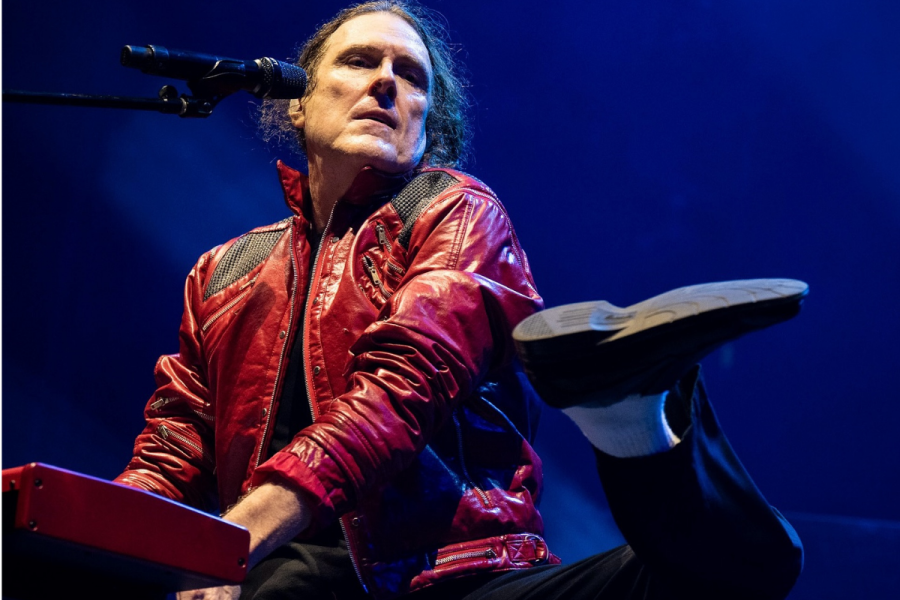
Weird Al Yankovic has revealed he turned down a paid artificial intelligence advert after learning the campaign was really promoting AI, saying he could not become 'the poster boy' for the technology.
The five-time Grammy-winning comedy musician, famous for 'Eat It', 'Amish Paradise' and White & Nerdy', said he initially believed the advert was for business software before backing out shortly ahead of filming. His refusal comes as musicians are pushing harder against AI tools that can imitate voices, generate songs and use creative work without clear consent.
Weird Al Walked Away From the AI Campaign
Yankovic said he was offered what he described as 'a nice pile of money' for the commercial, which was first presented as a productivity-related business software campaign. In a recent interview, he recalled: 'I was offered this commercial before the tour. I'm not going to mention any names, but they told me it was for a business.'
The deal changed once he learned the campaign was connected to artificial intelligence. Yankovic said he thought, 'Oh no, I can't be the poster boy for AI, forget it,' before explaining that he felt bad about pulling out close to the shoot. He then made his stance clear, adding: 'I'm not, I'm not down with that.'
The decision has weight because Yankovic's career has been built on parody, pop culture references and musical reinvention, not anonymous machine-made replication. His official biography calls him the biggest-selling comedy recording artist of all time, while the Recording Academy lists five Grammy wins and 17 nominations across comedy, music video and visual media categories.
Artists Are Demanding Consent Before AI Uses Their Work
Yankovic's comments sit inside a wider fight over how AI companies use music, voices and creative identities. More than 200 musicians previously signed an open letter urging AI developers, technology companies and digital music services to stop using AI in ways that infringe on the rights of human artists. The warning focused on tools that could copy voices and likenesses, train on creative work without permission and weaken royalty payments.
That anxiety has already moved beyond social media posts and artist statements. In June 2024, major record companies filed copyright cases against Suno and Udio, alleging the AI music services copied copyrighted sound recordings without permission to train music-generating systems. The cases asked for declarations of infringement, injunctions and damages over the alleged unauthorised use of recorded music.
The music industry's public argument is not that every use of AI should be rejected. RIAA chairman and CEO Mitch Glazier said: 'The music community has embraced AI and we are already partnering and collaborating with responsible developers to build sustainable AI tools centred on human creativity that put artists and songwriters in charge.' He added that services using artists' work without consent or pay risk damaging responsible AI development.
The Fight Is About Image, Voice and Creative Control
For artists, the AI debate is now about more than whether a synthetic song sounds convincing. It is about who controls a performer's voice, who profits from their image, and whether audiences can tell the difference between human-made work and machine-generated content. In celebrity culture, that question cuts directly into branding, identity and trust.
Yankovic has not named the company behind the advert, and he did not announce any formal campaign against AI. Still, his refusal adds a recognisable face to a fast-growing creative rights dispute, especially because he is an artist whose own work has long depended on clear authorship and public recognition. The moment also shows how AI backlash is now reaching beyond legal filings and into the everyday brand decisions celebrities make.
The timing makes the story bigger than one rejected commercial. As musicians challenge AI platforms in open letters, lawsuits and public statements, Yankovic's decision reflects a wider demand for consent, credit and compensation before technology companies build products around human creativity. For an artist who turned parody into a Grammy-winning career, the line appears to be clear: remixing culture is one thing, becoming the face of AI is another.