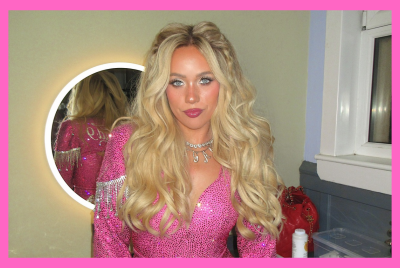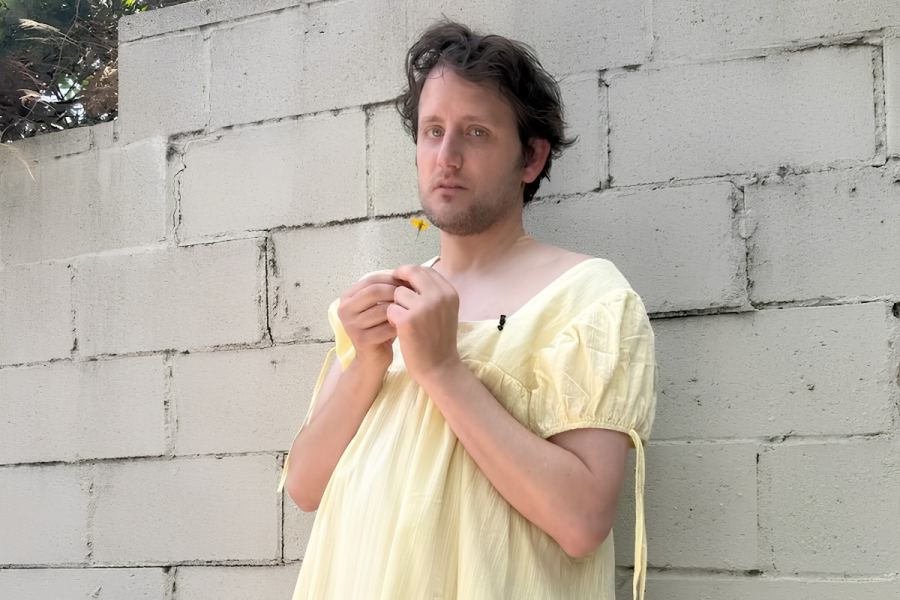
Olivia Rodrigo's baby doll dress era has officially become one of the most debated fashion moments surrounding her latest music chapter. After the singer faced criticism online over her feminine, vintage-inspired outfits, actor Zach Woods stepped into the conversation — wearing baby doll dresses himself while defending Rodrigo.
In a social media video, Woods joked that he and Rodrigo had 'brought back the baby doll dress' as he took aim at critics who accused the singer's style of sending the wrong message. His dramatic baby doll dress looks turned the debate into a statement about fashion, personal choice and the way women's clothing is often judged.
Zach Woods Enters the Baby Doll Dress Debate
Woods shared his thoughts in a humorous video posted on Instagram and TikTok, directly addressing people who criticised Rodrigo's outfits.
'Me and Olivia Rodrigo brought back the baby doll dress, and you guys had a lot to say about it, and frankly a lot of it was pretty damn disgusting,' he said.
The actor and comedian pushed back against claims that the style was inappropriate, pointing out that the dresses were not as revealing as some people suggested. While wearing his own baby doll dress, he joked that he was even wearing bloomers underneath.
Woods argued that the criticism placed unfair responsibility on women and their clothing choices. He said: 'We're not dressing for you. Olivia and I dress for each other.'
He also defended the singer personally, saying the backlash had affected her emotionally and could potentially impact her career.
'I've got your back, sister. I'm powerful, and I have reach,' he said in the video, addressing Rodrigo in a satirical and exaggerated show of support.
@zachwoods Livies till we rot
♬ original sound - Zach Woods
The Controversy Behind the Baby Doll Dress
The controversy began after Rodrigo embraced the baby doll dress style during her new album era. The silhouette — known for its short length, loose fit, and youthful shape — quickly became associated with the singer's latest aesthetic.
While many fans loved the nostalgic look, some online users criticised the outfits and argued that the style created uncomfortable associations with children. The discussion quickly moved beyond fashion, sparking debate over whether certain clothing choices are appropriate for adults.
However, supporters pushed back against the criticism, arguing that the issue lies in how people perceive the outfits rather than the clothes themselves.
The baby doll dress has also been part of fashion history for decades. Similar styles have appeared in different music scenes, including punk, grunge and alternative fashion movements, where artists used traditionally feminine clothing to challenge expectations and express individuality.
For many fans, Rodrigo's outfits are simply part of that tradition — a playful style choice, and not just a statement meant to please everyone.
Olivia Rodrigo's Response to Critics
Rodrigo once addressed the backlash surrounding her baby doll outfits, admitting that the criticism had been upsetting and frustrating.
She questioned why even a more covered-up look could become the focus of public debate, saying that the reaction reflected a wider issue in how women's bodies and fashion choices are often judged. The singer pointed out that the backlash 'shows how we really normalise pedophilia in our culture.'
In that interview, she also highlighted a troubling double standard, where women are frequently held responsible for how others perceive their clothing. 'Don't wear that, because then a man is going to sexualise your body, and it's your fault,' she said.
Rather than viewing the babydoll dresses as controversial, Rodrigo saw them as a form of creative expression and part of the visual identity of her new music era. Her comments received support from fans who agreed that female artists often face intense scrutiny over their appearance in ways male performers rarely do.