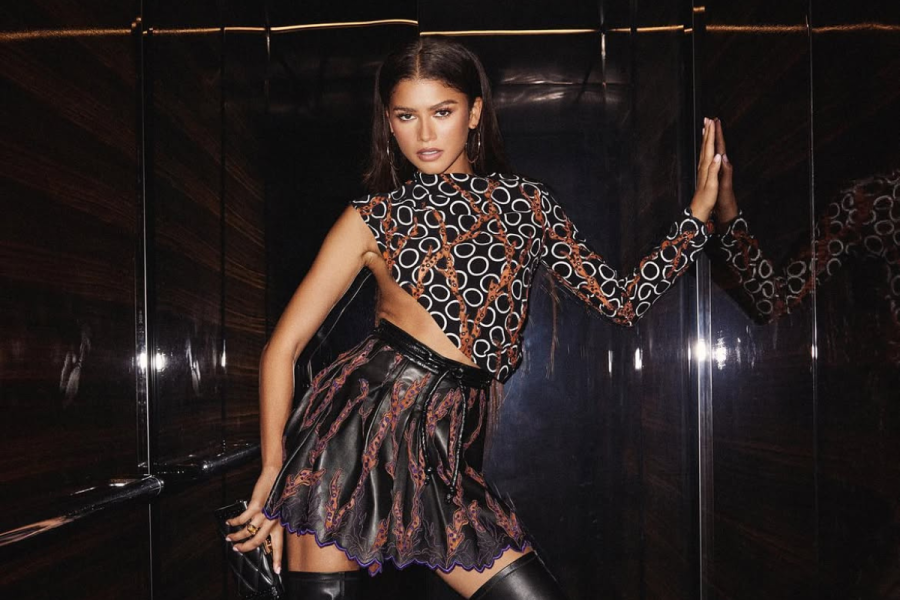
Zendaya is helping blur the line between Hollywood star and fashion creative, with her work for Louis Vuitton, On and Rolex, alongside major editorial appearances such as her Vogue Brasil cover, highlighting how celebrity relationships with fashion are evolving beyond traditional ambassador campaigns.
The actress has become the centre of a fashion ecosystem spanning luxury campaigns, co-created products, magazine covers, red-carpet dressing and blockbuster film promotion. Rather than simply lending her name and image to individual brands, her fashion activity increasingly connects different commercial categories through a recognisable visual identity.
The shift offers a glimpse of how the role of the celebrity is changing. Instead of simply becoming the face of a product, stars can now play a broader part in shaping the fashion narrative surrounding their work.
Zendaya's long-running collaboration with stylist Law Roach has been central to that visual consistency, with their work together extending across major fashion moments, editorial projects and brand collaborations.
From Louis Vuitton to Co-Created Collections
Louis Vuitton provides one of the clearest examples of Zendaya's expanding influence within fashion. The actress, who serves as a House Ambassador, featured in the luxury house's Monogram anniversary campaign centred on its Speedy bag, connecting one of the brand's heritage designs with her contemporary public image.
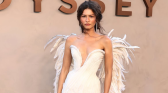
Her relationship with the house has also extended to red-carpet dressing, including custom looks worn for major public appearances. At the 2026 Oscars, Zendaya wore a custom Louis Vuitton gown with a diamond-set Rolex Lady-Datejust, bringing the fashion house and heritage watchmaker into the same high-profile look.
The appearance demonstrated how a single celebrity moment can place clothing and accessories from different luxury categories within one wider fashion narrative.
Her work with On goes a step further. Zendaya and On collaborated on the Shape of Dreams collection, which the sportswear company described as their first co-created collection of footwear and apparel. The project involved Zendaya working alongside Law Roach, giving her a documented role in the development of the collection.
That distinction is important. While celebrity endorsements have long been a fixture of fashion marketing, co-created products can give stars a more direct connection to what ultimately reaches consumers.
Zendaya's Vogue Brasil work adds an editorial dimension, placing her fashion identity within the magazine landscape as well as alongside her commercial brand relationships.
Together, these projects provide a clearer picture of an increasingly integrated approach to celebrity fashion partnerships—one that can encompass brand ambassadorship, product collaboration, editorial fashion and high-profile appearances.
When Film Promotion Becomes Fashion Strategy
Zendaya's film career adds another layer to that relationship because major releases create repeated opportunities for fashion storytelling.
Film projects including The Drama, The Odyssey and Spider-Man: Brand New Day have contributed to a particularly high-profile period for the actress, with premieres, promotional appearances and public events creating further opportunities for fashion to become part of the conversation around her work.
A premiere or awards appearance can generate photographs, social media discussion and editorial coverage, allowing an outfit to travel well beyond the event itself.
For celebrities with established fashion identities, those individual moments can also contribute to a longer-running visual narrative. That consistency is particularly important to the 'celebrity creative' model.
Law Roach's styling helps connect different appearances, while Zendaya's relationships with major names across luxury fashion, performance wear and watches allow her fashion identity to move between different parts of the industry.
For brands, the attraction is the possibility of building sustained visibility across several platforms rather than relying on a single campaign.
It does not mean every celebrity partnership is becoming a creative collaboration. But Zendaya's work provides a notable example of how the boundaries between entertainment, fashion and marketing are becoming less distinct.
The modern celebrity relationship can involve wearing a product, fronting a campaign, contributing to a collection and becoming part of a broader cultural narrative.
Zendaya's career therefore points towards a potentially significant shift in the relationship between Hollywood and fashion—one where the most valuable partnership may not simply be about who wears the clothes, but who can help shape the story around them.