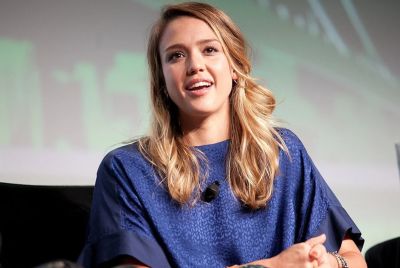
Slovak pop singer ADÉLA has criticised the White House for using her hit song 'Nicole Kidman' in social media content promoting Donald Trump and the Republican Party. She said the administration's political values do not align with her own. The singer addressed the controversy on Tuesday, 3 November, as Americans headed to the polls for the US midterm elections, and expressed support for policies protecting immigrants and access to safe abortion.
ADÉLA was among several entertainers who used their platforms to encourage Americans to take part in the election. Although the singer cannot vote in the United States, she made clear that she would have liked to have a say in the political process.
'I would love to vote for a party that loves immigrants and that believes in accessible and safe abortion,' she said in comments reported by The Cut. The singer added that she would have participated in the election if she had been eligible.
Her remarks followed reports that White House social media content had incorporated 'Nicole Kidman' into promotional messaging associated with Trump and the Republican Party. The association prompted criticism because ADÉLA's personal political views differed from the message being promoted through her music.
ADÉLA Objects to Song's Political Association
The controversy centres on the White House's reported use of 'Nicole Kidman', a track from ADÉLA's debut album PRIMA. The song was released on 4 September 2026 through Capitol Records.
The song became one of the Slovak singer's most recognisable releases, celebrating Australian actress Nicole Kidman and her Hollywood glamour. Its lyrics reference the actress's performances in films including Moulin Rouge! and Babygirl, combining celebrity admiration with ADÉLA's playful interpretation of confidence and superstardom.
The track was not written as a political statement. ADÉLA explained in an interview with Capital Buzz that she had recently watched Eyes Wide Shut when she began developing the song. She said she became fascinated by Kidman's screen presence and later felt particularly glamorous after attending a Golden Globes party in a corset and carefully styled hair.
'I feel like Nicole, and that's what the song is about,' she explained when discussing its inspiration.


Nicole Kidman Embraced the Song
The political controversy comes after a series of positive celebrity moments for ADÉLA, particularly involving the actress who inspired the track. Before releasing the song, the singer contacted Kidman's representatives to seek permission to use her full name. ADÉLA explained that she did not want to include someone's name in a song without knowing whether that person was comfortable with it.
Kidman reportedly gave her approval and subsequently expressed enthusiasm for the track. During an appearance on The Tonight Show Starring Jimmy Fallon, the actress praised ADÉLA, saying she was talented.
The singer was delighted by the recognition, describing Kidman as her muse and expressing disbelief that an actress she admired knew who she was. Their connection also produced a memorable social media moment at Paris Fashion Week on 5 October. Kidman joined Dua Lipa, Pedro Pascal and Kristen Wiig for a playful lip-sync video using the song at Chanel's Spring/Summer 2027 show.
Comment
by u/GlobalMusicLover from discussion
in Fauxmoi
ADÉLA's Message and the US Midterm Elections
ADÉLA's comments appeared in The Cut's Election Day coverage, which documented celebrities encouraging Americans to vote, sharing their own participation and, in some cases, publicly supporting candidates.
The 2026 US midterm elections took place on Tuesday, 3 November. All 435 seats in the House of Representatives and approximately one-third of the Senate were contested, making the election significant for determining the balance of power in Congress.
Other entertainers also used their platforms to encourage participation. Julia Louis-Dreyfus urged followers to vote and encourage friends to do the same, while Jennifer Lawrence and Olivia Rodrigo shared voting reminders. Pedro Pascal also filmed an appeal encouraging people to vote.
Some celebrities went further by endorsing particular candidates or expressing opposition to political figures. Stevie Wonder, for example, encouraged Michigan voters to support Democratic candidates Abdul El-Sayed and Jocelyn Benson.
Comment
by u/frankelbottom from discussion
in popmusic
The Wider Debate
The controversy also brought renewed attention to the use of popular music by political organisations and government accounts. Artists have increasingly spoken out when their recordings appear in political advertisements or social media posts that they believe misrepresent their views.
However, an important legal distinction exists between an artist disapproving of a song's use and an unauthorised use of copyrighted music. Recording rights, publishing rights, licensing agreements and platform permissions can all affect whether a particular use is legally authorised.
In September 2026, for example, attorneys representing musician JMSN sent the White House a cease-and-desist letter over the use of his song 'Love Me' in a Trump administration advertisement. His representatives alleged that the use violated copyright law and demanded that the advertisement be withdrawn. The White House disputed the political characterisation of its advertisements, describing them as public service announcements.
For ADÉLA, the issue was the political association created by the reported use of 'Nicole Kidman'. Her comments made it clear that the administration's message did not represent her personal values, particularly on immigration and reproductive rights.