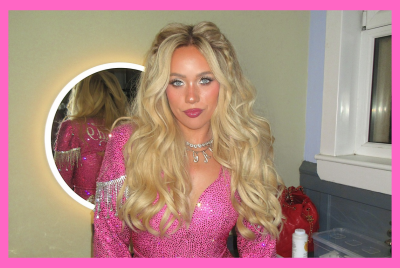
Dua Lipa, Hailey Bieber, and several luxury fashion brands have faced criticism for using Brazilian culture as a marketing aesthetic while, according to photographer Kamila K. Stanley, showing limited concern for the political violence affecting these communities. In an Instagram post, Stanley challenged celebrities, fashion labels, and media outlets for using Brazilian cultural imagery and questioned whether their public admiration extends to genuine concern for its people.
Usaama Minhas, a London-based poet, rapper and actor who advocates for social and political issues, also echoed her criticism. He stated that celebrating a culture is meaningless without respecting the rights of the people who create it.
The Cost of Cultural Appropriation
Stanley observes the growing prominence of Brazilian culture in international fashion and entertainment industries. She cites examples such as baile funk, Rio de Janeiro's carnival, and marketing campaigns filmed in the city's favelas.
She highlights references to Brazil by public figures such as Dua Lipa and Hailey Bieber, as well as luxury brands and publications, and questions their silence regarding the country's political tensions. 'You cannot just consume a marginalised culture and use it as your marketing aesthetic but look away when that exact same culture is in danger,' she wrote.
Stanley also argues that Brazil's cultural appeal is often reduced to imagery meant to look glamorous, provocative, or edgy, while overlooking social inequalities. 'Lately everyone wants a piece of Brazil to make their product /image look sexy, gritty or cool,' she wrote, questioning the lack of engagement with 'the structural racism, inequality and authoritarian wave sweeping Brazilian society'.
Stanley specifically cites favelas, Afro-Brazilian dance, queer communities, and street carnival culture as commercially popular expressions of Brazilian identity. She further contrasts the attention these campaigns receive with what she describes as threats to Brazilian democracy.
Subsequently, a fan wrote under dua lipa's post: 'Where are you now @dualipa ?? If you love Rio, if you love Brazil, please use your voice! We are on the brink of loosing our country to the far right, to Trump and the Epstein class. Meta and the US are actively meddling in our elections. We risk loosing our democracy and basic rights. Amazônia is under threat, this will impact everyone!'
The Violence Behind the Imagery
Stanley contrasts the popularity of Brazilian imagery with a deadly police operation in Rio de Janeiro on 28 October 2025. Operation Containment in the Alemão and Penha favela communities led to at least 121 deaths, including four police officers.
Amnesty International described it as the deadliest police operation in the state's history and urged an independent investigation into alleged extrajudicial executions by civilian and military police. It reported allegations from local organisations and residents that police fired from helicopters, carried out raids without warrants and prevented injured people from receiving assistance. The human rights organisation also raised concerns about systemic and racist violence.
BREAKING: BRAZIL’S DEADLIEST POLICE RAID IN HISTORY 🇧🇷
— Majuu Alone 🇰🇪 (@jaokojohnmark) October 29, 2025
The “Operation Containment” in Rio de Janeiro’s Alemão and Penha favelas has left at least 132 dead ,including 128 suspected criminals and 4 police officers.
This marks the bloodiest police operation ever recorded in… pic.twitter.com/k8B0VZddoW
Stanley argues that the police operation received significantly less international attention than fashion imagery featuring these communities. She maintains that fashion and art have political responsibilities when referencing marginalised groups. 'Glitzy campaigns empower no one when they show no interest in understanding the political violence inflicted on the people whose culture has become so profitable,' she wrote.


Why Another Influencer Spoke Out
The second influencer responded to Stanley's post with a video, urging his audience to review her criticism. He then emphasised the debate's significance for understanding cultural appropriation.
Usaama said in the video, 'This is the cost of cultural appropriation. This is the difference between cultural appropriation and cultural appreciation. Cultural appropriation is when you claim to love my culture, but you don't love my people. You don't give a fuck about the rights and the lives of the people who create that culture that you claim to love.' He further questioned whether those profiting from Brazilian culture would speak out as the country faces a pivotal election contest.
Brazil's Political Crossroads
These posts align with Brazil's upcoming presidential runoff on 25 October, featuring incumbent Luiz Inácio Lula da Silva and Flávio Bolsonaro, son of former president Jair Bolsonaro. In the first round, Bolsonaro received 47.03% of valid votes, while da Silva received 45.16%, according to Brazil's electoral authority.
Usaama expressed concerns about the potential consequences of a Flávio Bolsonaro presidency on indigenous communities, LGBTQ+ rights, abortion rights, environmental protections, and working-class people. He also referenced Jair Bolsonaro's legacy, noting his 27-year prison sentence for plotting a coup after his defeat in the 2022 presidential election. These statements represent his political views rather than confirmed election outcomes.
Em Fortaleza, o candidato à Presidência, Flávio Bolsonaro (PL), afirmou que irá "aposentar" o presidente Luiz Inácio Lula da Silva (PT). Além de críticas ao PT, o senador negou cortes em programas sociais e falou sobre a comunidade LGBTQIA .
— O POVO (@opovo) October 22, 2026
"Quero falar para os gays que estão… pic.twitter.com/Fp8W8nbdz8
The election has also underscored social media's role in political campaigns. A France 24 report from 16 October documented efforts by right-wing Brazilian influencers to mobilise support for Flávio Bolsonaro ahead of the runoff.
For Stanley, however, the issue extends beyond the candidates and the election. Her closing argument is that cultural appreciation is inseparable from the realities of the communities that sustain it – especially when their rights and safety are at risk.