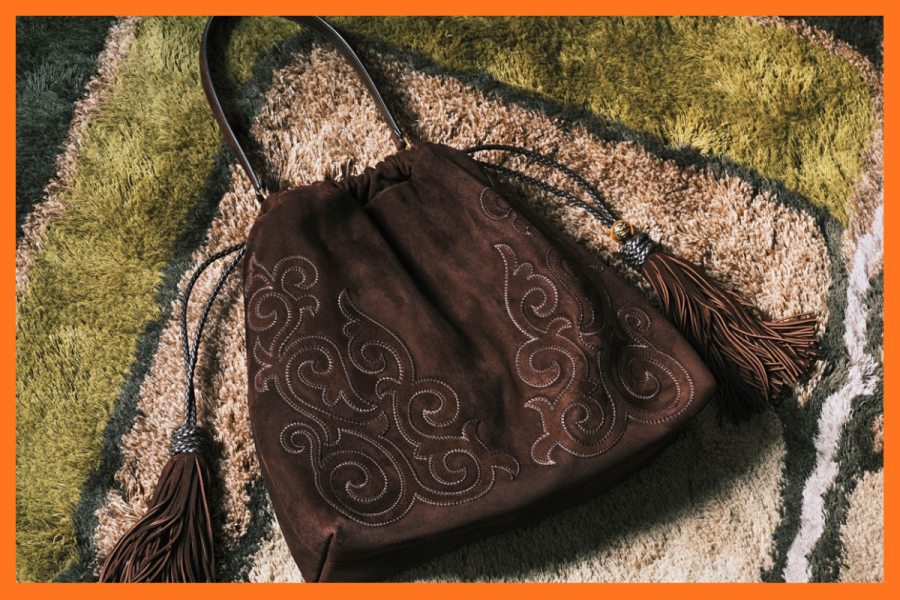
Etro is facing cultural appropriation accusations after users in Kazakhstan and Kyrgyzstan said motifs on its Pony Bag and Kalispera handbags resemble traditional Central Asian designs without acknowledging their origins. The criticism has played out on Instagram, where commenters are demanding credit for the cultures they believe influenced the Italian luxury house.
The dispute followed photographs of updated bag styles that Etro posted on 20 September. The Kalispera has attracted particular criticism because its name comes from the Greek greeting for 'good evening', while users say its ornamentation echoes traditional Kyrgyz patterns. Neither the alleged source of the motifs nor any copying has been independently established.
Critics Say Traditional Patterns Deserve Recognition
In a caption promoting the Kalispera, Etro wrote: 'From woven surfaces to intricate leatherwork, familiar House codes find new forms in the Kalispera bag.' Commenters challenged that description, arguing that some of those visual elements have histories outside the fashion house. 'How interesting! You steal the national ornaments of the Kyrgyz people and make a bag and then give it a Greek name,' one wrote, before adding: 'No mention of origins or inspiration. This is so wrong!'
A second commenter wrote: 'Etro, babe... give credit where it's due,' accusing the label of overlooking the origins of motifs they associated with Kyrgyz heritage. Kazakh designer Karlygash Kosbayeva described the patterns as 'Central Asian ornaments' and referenced Kazakh, Kyrgyz, Yakut, Bashkir, Tatar and Indigenous Siberian communities. Her comment pointed to an issue raised across the discussion: designs that look familiar to several cultures can have histories that extend beyond a single country.
Other critics drew a line between inspiration and uncredited borrowing. 'These patterns are not simply decorative elements or aesthetic inspiration,' one user wrote, saying they carry 'history, identity, and cultural heritage.' Another summarised the complaint as: 'Inspiration is one thing. Taking cultural heritage without acknowledgment is another.'


Etro Calls the Details 'Ornamental-Inspired'
Etro's product description for the suede Kalispera identifies a front patch with tonal embroidery, braided drawstrings and tassels. The Italian brand calls the decoration an 'ornamental-inspired maxi patch' but does not identify a particular cultural tradition behind it. The listing does not, on its own, show how the design was developed, leaving the commenters' central question about attribution unanswered.
The company has a long history of working with patterns drawn from different parts of the world. On its heritage website, Etro describes its signature Paisley motif as originating in Central Asia, and its collections have repeatedly reinterpreted the print. That acknowledgement does not establish the source of the disputed handbags, which feature separate details critics are asking the brand to explain.
Cultural Heritage Behind the Criticism
Traditional ornamentation plays a prominent role in Kyrgyz craftsmanship, including the making of ala-kiyiz and shyrdak felt carpets. UNESCO added those carpet-making traditions to its List of Intangible Cultural Heritage in Need of Urgent Safeguarding in 2012, citing their importance to community identity and the transfer of knowledge between generations. The organisation also identifies the meanings of the patterns as a key part of that heritage.
The online response has not been unanimous, with some celebrating the international visibility of motifs resembling Central Asian designs. The critics, however, are asking for something more specific than recognition from shoppers: an explanation of where the handbag patterns came from and whether the Central Asian traditions they associate with the designs will receive credit. Such requests are about cultural attribution, not proof that an intellectual property law was breached.
The available evidence does not establish that Etro copied an identifiable protected work or deliberately concealed any inspiration. As of Thursday, 8 October, Etro had not issued a public response to the accusations that Fashion Times UK could independently verify. For commenters still asking questions beneath its posts, the immediate issue is whether Etro will acknowledge any Central Asian references behind the bags.