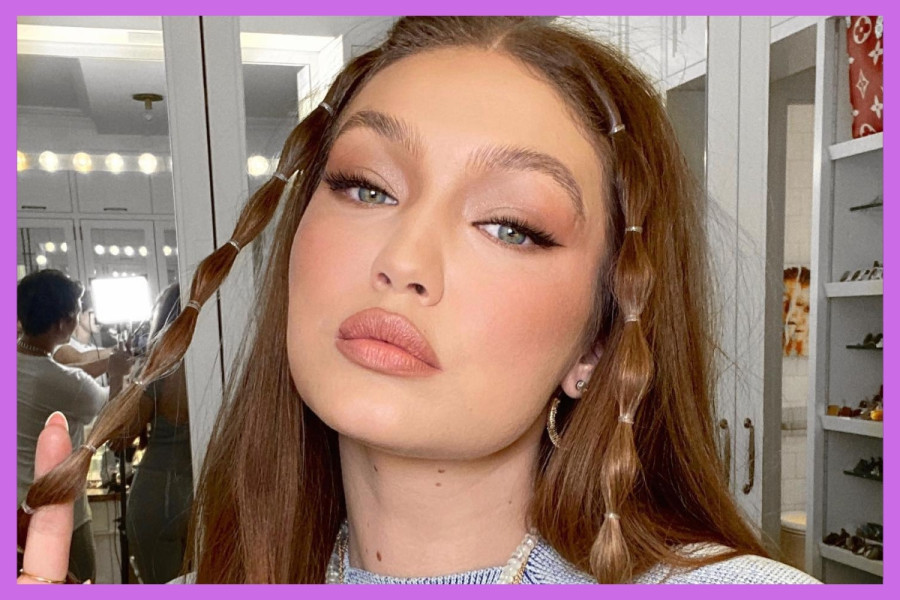
Gigi Hadid has sparked debate among fashion fans after starring in WSJ Magazine's November digital edition, with a couture editorial that has prompted questions about the industry's reliance on recurring photographic concepts. Photographed by Szilveszter Makó, the supermodel appears in a series of carefully composed images featuring sculptural shapes and box-like settings.
While the shoot has attracted praise for its artistic direction, some viewers believe the enclosed compositions have become so familiar that they are beginning to lose their impact. The reaction has put Makó's recognisable style under scrutiny, with critics questioning whether a distinctive creative signature can become repetitive when similar imagery appears across high-profile editorials. Others maintain that the photographs remain striking and deserve to be appreciated on their own merits.
'Why Is Every Photoshoot in a Box?'
The criticism centres on the use of geometric frames and enclosed spaces to create unusual, almost painterly portraits. For some viewers, Hadid's latest editorial resembles a visual approach they have encountered repeatedly in recent months.
One commenter praised the photographer's aesthetic but questioned whether similar shoots were appearing too frequently, suggesting that publications could benefit from spacing out editorials built around the same idea.
Others pointed to a January 2026 Who What Wear cover featuring Elle Fanning, also photographed by Makó, as an earlier example of his style. The editorial featured playful imagery and elaborate styling, attracting praise while prompting comparisons with his other work.
The sharpest criticism was summed up by one viewer asking, 'Why is every photoshoot in a box?' Another urged photographers to 'let them out', expressing frustration with the recurring enclosed compositions.
The backlash is not necessarily directed at Hadid or the quality of the images. Instead, it reflects a desire among some fashion fans for editorials that offer a fresh visual perspective rather than revisit a familiar formula.


The Fine Line Between Signature Style and Repetition
Makó's portraits often combine unusual proportions, carefully arranged sets and sculptural styling, creating images that sit somewhere between fashion photography and fine art. His distinctive visual language is part of what makes his work recognisable, but it has also encouraged comparisons between editorials.
A September 2026 feature in It's Nice That examined the appeal of Makó's surreal portraits and box-like sets, highlighting how these elements have become defining features of his photography. For critics, the concern is that a successful idea can lose its impact when it is repeated too often. When the composition becomes instantly recognisable, viewers may notice the technique before the clothes, model or story being presented.
Supporters, however, argue that developing a signature style is a legitimate part of an artist's identity. Reusing visual elements does not automatically make a shoot unoriginal; the question is whether each new editorial brings something distinctive to the concept.
Are Women Being Framed or Confined?
The discussion has also taken a more symbolic turn, with some viewers questioning the effect of repeatedly placing female models inside box-like structures.
One commenter objected to the recurring image of women being enclosed, while others interpreted the composition as a way of exploring portraiture by showing the model in relation to the space around her.
Both readings are possible. A defined frame can draw attention to posture and silhouette or make the surrounding environment part of the image's meaning. But some viewers see the repeated use of the device as restrictive rather than imaginative.
There is no evidence that Makó intended the images to suggest confinement. The feminist interpretation is one audience response, showing how a visual choice can prompt discussion beyond the clothes themselves.
The Creative Team Behind the Shoot
Hadid's editorial is the result of a wider collaboration. The credits shared alongside the images name Gabriella Karefa-Johnson as stylist, with Cécile Paravina responsible for make-up, Pablo Kuemin on hair, Beatrice Eni on nails and Edith Di Monda handling set design.
The couture styling and elaborate sets help create the fantastical atmosphere that supporters admire. The credits also underline the creative work involved in shaping the final images, from clothing and posing to hair, make-up and the physical environment.
Artistic Vision or Recycled Aesthetic?
The mixed reaction to Hadid's editorial highlights a familiar tension in fashion: audiences want photographers to have a distinctive point of view, but they also want each new shoot to feel fresh. The comments do not prove that the entire fashion industry has adopted the same concept. They do, however, show that some viewers are increasingly conscious of visual similarities across major publications.
Hadid's WSJ Magazine shoot continues to attract attention for its couture and carefully constructed imagery. Yet the question raised by its critics remains: when does a recognisable signature stop feeling original and start looking like a formula? For fashion photography, the challenge may not be to abandon a successful concept, but to find new ways to make it surprising again.