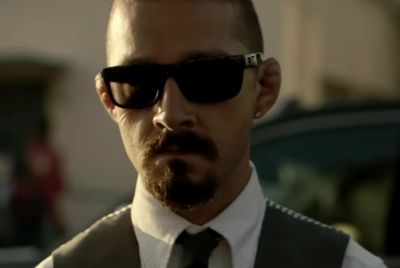

A Chinese actor who once spent up to 16 hours a day playing wealthy chief executives in China's booming online drama industry is now selling vegetables at a local market after artificial intelligence transformed the business almost overnight.
Xu Peng, 30, a graduate of the Central Academy of Drama, has returned to his hometown in Shandong Province after acting opportunities dried up as AI-generated short dramas flooded the market. Once a familiar face in China's hugely popular vertical dramas, he now helps his grandfather grow, transport and sell vegetables, insisting there is dignity in honest work despite his dramatic career reversal.
His story has struck a chord across Chinese social media and beyond, becoming one of the clearest examples of how rapidly advancing AI technology is reshaping creative industries and leaving many performers searching for new livelihoods.
AI Boom Leaves Actors Fighting for Work
Xu found success during China's explosive micro-drama boom, starring in dozens of vertical series designed for mobile viewing. He became known for portraying domineering CEOs and romantic leading men, often working gruelling 15 to 16-hour filming days to keep pace with the industry's relentless production schedule.
That success, however, proved short-lived.
According to Chinese media reports, AI-generated productions have surged throughout 2026, with around 122,000 of the 128,000 short dramas released during the first quarter reportedly created using AI technology. The technology enables producers to generate digital performers, virtual scenes and complete episodes far more quickly and cheaply than traditional productions, dramatically reducing demand for human actors and film crews.
As production companies increasingly embraced AI, roles for performers such as Xu became increasingly scarce.
After completing what would become his final short drama, Xu left Hengdian, China's famous film and television production hub, and returned to his family's home in rural Shandong.
These days, his routine looks very different. Rather than memorising scripts and standing beneath studio lights, he helps harvest vegetables, loads them into the family's electric vehicle and spends long hours serving customers at a local market.
The contrast between his former and current life has resonated with many online, particularly as customers have recognised the former actor while shopping. Some fans have even visited the market specifically to meet him and take photographs, with many praising his humility rather than viewing his new job as a step backwards.
'There's No Obstacle I Can't Overcome'
Despite losing the career he worked years to build, Xu has remained remarkably positive about his future.
'Being an actor is just a profession. If there are no acting jobs, I'll find another way to make a living. As long as I earn an honest living through my own hard work, there's no obstacle I can't overcome', he said.
Rather than viewing his market stall as the end of his acting ambitions, Xu believes it is simply another chapter in his life.
'To me, there is no real departure from the entertainment industry, only a change of stage', he added, suggesting he still hopes opportunities may return if the industry changes again.
His experience has sparked widespread debate online, with many social media users describing his story as a warning about AI's growing influence over creative professions. Reddit users and commenters across Chinese platforms praised Xu's resilience while expressing concern that performers, production crews and other entertainment workers could face similar uncertainty as AI-generated content becomes increasingly common.
Others argued that audiences should continue supporting productions featuring real actors, warning that the rapid adoption of AI could fundamentally alter the future of film and television.
While Xu's story has captured attention because of his unexpected career change, it also reflects a much broader conversation taking place across the entertainment industry. As AI continues to transform how content is created, his journey from television sets to a vegetable market has become a powerful symbol of both the opportunities and human cost of technological change.