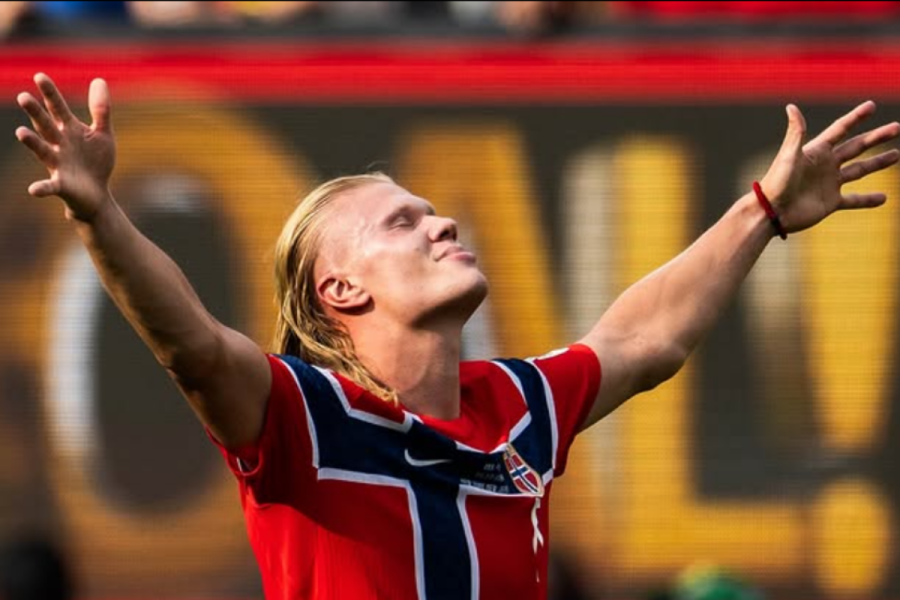
Erling Haaland has become one of the 2026 FIFA World Cup's most unavoidable figures, but not every viral clip carrying his face is real. The Manchester City striker and Norway national team star is now travelling through TikTok, X, Douyin and fan edits as both an elite footballer and an AI-made internet character.
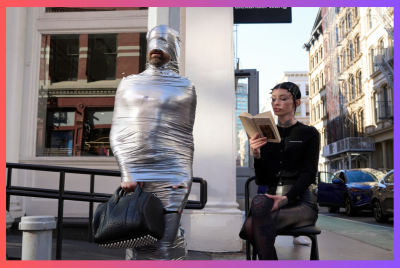
The strongest example came when a clip appeared to show Haaland eating in a restaurant, looking to the side and flinching at his own reflection. The video was widely shared, with one post on X reportedly passing 31 million views in days, before fact checkers traced the footage to a comedy skit by Chinese creator Jin Long. By then, the correction had already become secondary to the joke, because the internet had decided the clip felt like Haaland.
How Haaland Became Bigger Than the Match
Haaland was already a major sporting story before the AI memes took off. Norway is playing its first World Cup since 1998, and the striker has arrived as one of the tournament's biggest names after years of record-breaking form for Manchester City and his country. FIFA described him as a 'goalscoring machine' and noted before the knockouts that he had more international goals than caps, underlining why his World Cup run was always going to draw global attention.
What has made this moment different is how much of the attention has moved beyond goals, tactics and Golden Boot talk. Haaland's online image now runs on contrast, with fans playing off the difference between his fearsome on-pitch presence and his oddly wholesome off-pitch persona. The result is a meme identity that feels easy to remix, whether through real Snapchat posts, fan edits or AI-generated clips.
That image has grown especially fast in China, where Haaland has been embraced by fans through ads, songs, nicknames and short-form videos. He has been called 'Habao', roughly translated as 'Ha Baby', a nickname that leans into the same soft-chaos energy seen in many of the viral edits. His official presence on Chinese platforms has helped make the fandom feel bigger than a passing tournament joke.
AI Fan Culture Changes the Celebrity Playbook
The Haaland trend shows how sports fandom is moving away from simply watching athletes perform. Younger fans now follow players as characters, complete with running jokes, story arcs, edits and imagined moments. When AI enters that culture, it gives fans a way to create new 'Haaland' content without waiting for Haaland himself to do anything.
A 2025/26 fan engagement study found that 'Gen Z fans feel more connected to athletes (31%) than to teams (27%)'. That matters because Haaland's current virality is being driven less by Norway's badge alone and more by his personal mythology. For many viewers, the player is the entry point, while the match is only one part of the content cycle.
Another sports engagement study found that 'Social media content from athletes is the single largest driver of Gen Z sports engagement'. That helps explain why clips, memes and fan-made posts can shape how a tournament is experienced in real time. The World Cup is still a football event, but online, it is also a character-driven entertainment feed.
Deepfake or Fan Art?
The uncomfortable part is that the viral restaurant clip was not real, even if many users shared it as if it were. Deepfakes and AI edits can mislead audiences, especially when they move faster than corrections. In Haaland's case, however, the response also shows something more complicated: some fans kept sharing because the clip matched the personality they already associated with him.
That is where the line between misinformation and fan art starts to blur. A fake clip of a political figure or emergency would raise clear public-interest concerns, while a fake comic scene involving a footballer sits in a messier cultural space. It can still confuse audiences, but it also functions like a meme, built around recognition, exaggeration and a shared understanding of the character.
Haaland is not the only player being pulled into AI football fandom during the World Cup. Kylian Mbappé has also become the subject of AI-made meme formats, proving that modern football stars are now remixable digital figures as much as athletes. The difference with Haaland is that his existing online persona already gives fans a clear template, making the AI versions feel weirdly plausible.
For Haaland, the football stakes remain real, with Norway's World Cup run and his Golden Boot chase keeping him at the centre of the tournament. But online, his biggest competition may be the AI version of himself, endlessly reposted, re-captioned and reinvented by fans. The 2026 World Cup has turned him into a football superstar, but the internet has turned him into something stranger: a viral character whose most famous moments do not always need to have happened.