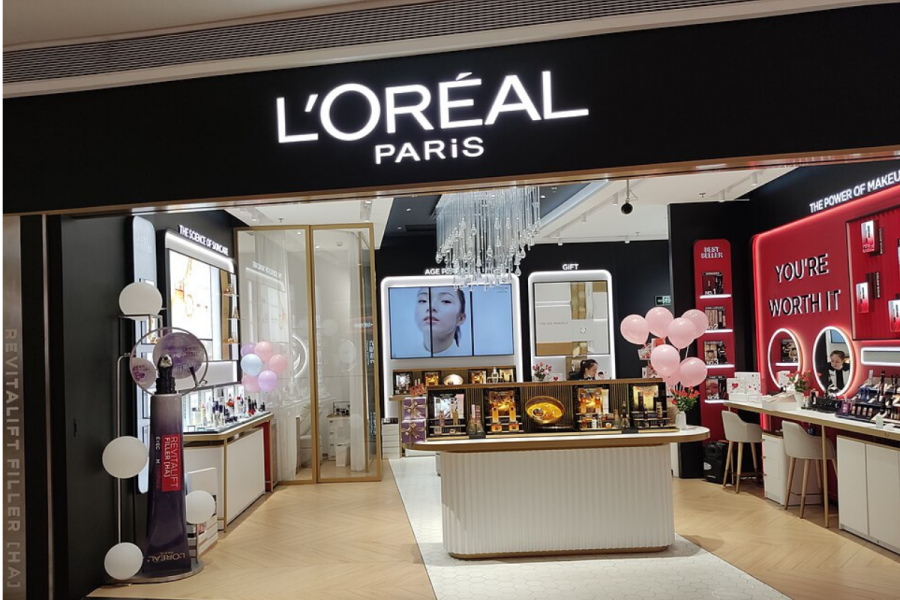
The state of Arizona has accused beauty giant L'Oréal of selling chemical hair relaxers to women and girls for decades and failing to warn consumers as research emerged linking frequent use to higher rates of uterine and ovarian cancer. The consumer fraud lawsuit, filed Thursday, 10 September, in Maricopa County Superior Court, targets L'Oréal USA, L'Oréal USA Products, French parent L'Oréal S.A. and SoftSheen-Carson.
The state says products sold under brands including Dark & Lovely, Optimum and Mizani were marketed largely to Black women while the companies allegedly failed to disclose what Arizona describes as material health risks. The case arrives as hair relaxer manufacturers already face more than twelve thousand pending claims consolidated in federal multidistrict litigation in Illinois as of 1 September.
Arizona Says Women Were Not Warned
Arizona Attorney General Kris Mayes alleges the companies continued promoting chemical relaxers as 'healthy, nourishing, gentle, and safe' even after studies published in 2021, 2022 and 2023 reported associations between relaxer use and reproductive cancers. The complaint says the companies knew or should have known about potential risks and violated the Arizona Consumer Fraud Act by omitting them from advertising and product packaging. Mayes said L'Oréal put 'profits over the safety of women and children', adding that the state intends to hold the companies accountable.
The lawsuit also places the marketing of relaxers in a wider history of beauty standards affecting women of African descent, arguing that the products were sold as a way to alter naturally textured hair permanently. Some products, according to the state, were also marketed to young girls. Arizona is seeking restitution, disgorgement of profits, civil penalties and court orders aimed at stopping what it alleges are deceptive practices and requiring truthful health disclosures.
What the Cancer Studies Actually Found
Research cited in the case shows an association, rather than proving that hair relaxers cause cancer. A 2022 National Institutes of Health study following nearly 34,000 women found that those who used straightening products more than four times in the previous year were more than twice as likely to develop uterine cancer as non-users. Researchers estimated that 1.64% of women who never used straighteners would develop uterine cancer by age 70, compared with 4.05% among frequent users.
A separate 2021 study involving more than forty thousand women found that frequent use of straighteners, relaxers or pressing products was associated with roughly twice the risk of ovarian cancer. Importantly, the researchers did not identify particular brands as responsible, and the uterine cancer study did not collect information about the brands or ingredients participants used. Scientists have said further research is needed to confirm the findings and determine which chemicals, if any, could be driving the associations.
L'Oréal Rejects the Claims
L'Oréal disputes that the available evidence establishes its relaxers cause the cancers alleged in the lawsuits. The company has maintained that the research does not establish a causal connection, saying it is 'confident in the safety of SoftSheen-Carson's products' and believes the legal claims lack scientific merit. Its position points to researchers' own acknowledgement that additional study is necessary and that other factors could contribute to cancer outcomes.
That causation question is now central to both Arizona's consumer fraud case and the sprawling federal litigation. Arizona's complaint argues that consumers should have been told about the reported associations even while the science continued to develop, particularly given the products' long-standing popularity among Black women. L'Oréal, meanwhile, disputes that the available evidence justifies the cancer claims, leaving courts to determine whether the company's marketing and warnings crossed the line from disputed science into unlawful consumer deception.