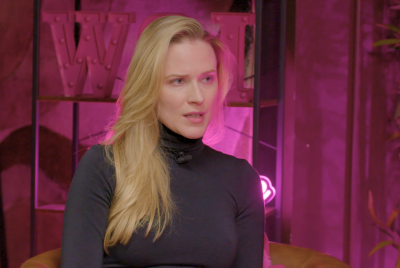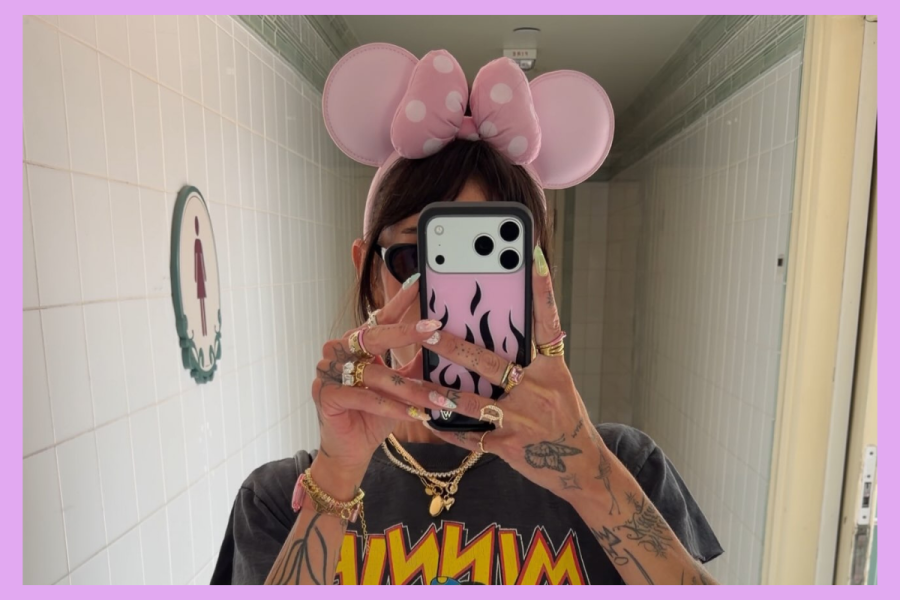
Creator Ash Wilbo says The Cut left out every important statement from her interview in its feature on 'Disney cool girls', and she has now publicly called out the magazine. The 2 November article set traditional 'Disney adults' against a supposed new wave of trendier park-goers, and Ash, who sat through a full interview, says none of her key points survived the edit.
The feature contrasted merchandise-heavy park outfits with a newer look built around baggy jorts, vintage graphic tees and subtle streetwear. Ash says she belongs firmly in the Disney adult camp, and wants everyone to know it.
Why Creators Say the Disney Cool Girl Label Is Divisive
lol this Cut article and those interviewed calling it out pic.twitter.com/JR3yhKThMR
— matthew stasoff (@mattstasoff) November 2, 2026
Ash, known online as @ashwilbo, was blunt. 'Nobody is calling themselves a 'Disney cool girl,"' she wrote, arguing the term has been used to create division. She says it has even started being used interchangeably with 'Disney mean girl', which is a long way from the compliment the feature seems to intend.
Her own self-assessment was just as direct. 'If you know me, you know I absolutely do not identify as "cool" by any means lol,' she added. It leaves a publication slapping a label on a creator who promptly rejects it.


What Ash Says The Cut Left Out
Her post is the clearest record of what she wanted said. She loves Disney fashion and likes putting her own 'slightly edgier personal twist' on it. 'That's it,' she wrote. 'At the end of the day, I'm just a Disney adult. A very uncool Disney adult.'
She is not the only interviewee unhappy with the edit. Creator Stephanie Arant (@shhtephs) commented under The Cut's post: 'Lol love that none of my actual quotes were used here. Dressing for Disney is fun for everyone (who wants to!). Period. There's no right or wrong and no ridiculous labelling needed.'
Disney Merch Culture and the 'Cool Girl' Rulebook
Ash's sharpest line targets the rulebook itself. 'Real cool girls don't care what anyone else is wearing or judge anyone because they're using a Loungefly backpack (which are so cute btw),' she wrote.
That's where the feature's narrative stumbles. Pitting subtle streetwear against merch-heavy fandom creates an artificial divide that neither creator actually agrees with. The result felt less like trend reporting and more like snobbery, sparking reader pushback and online jokes that The Cut's signature detached tone had backfired again.
Why Micro-Influencers No Longer Need a Media Column
The dispute might look minor on the surface, but it points to a much bigger shift in digital media. Outlets are used to holding the pen, dissecting niche communities with a knowing smirk and a clean binary. Except creators now hold their own megaphones. When an interview gets twisted or flattened into a stereotype, they can call it out to millions before the ink is even dry.
The Cut has yet to respond to the pushback, but the pattern is already established: traditional media manufactures a trend, markets it back to the subculture, and gets caught off-guard when the subculture calls bluff.
So is there really a Disney cool girl? Not according to the creators featured in the piece. The label seems like something a publication invented, and the fans it was meant to describe are rejecting it.