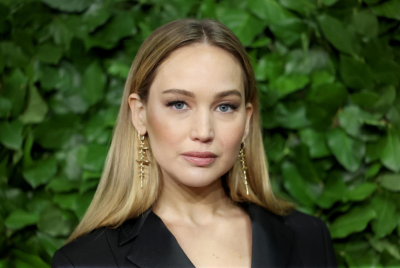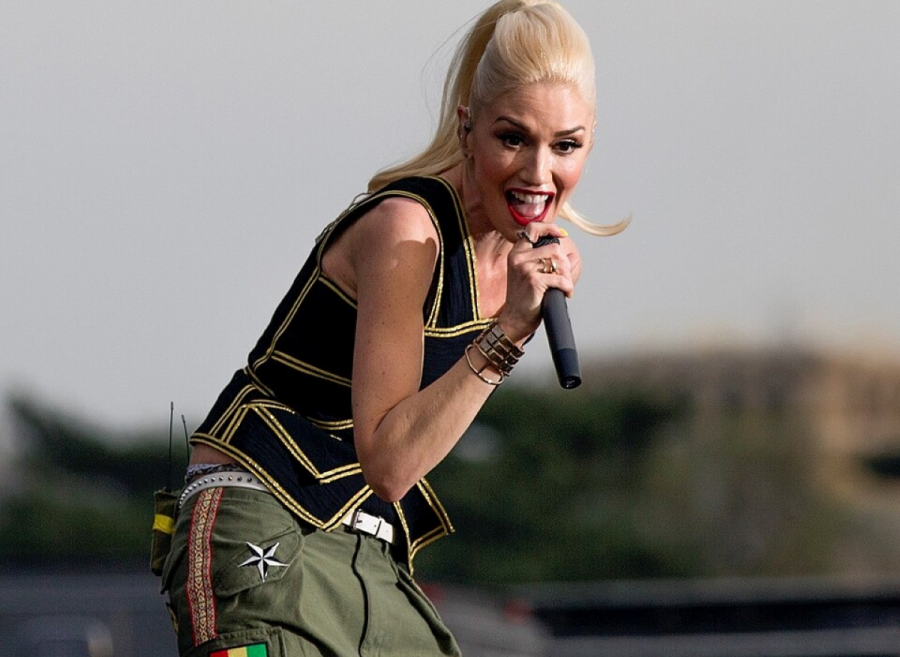
Gwen Stefani was once one of the most recognisable faces of 1990s alternative music, known for her platinum-blonde hair, rebellious fashion and fearless stage presence. Now, an online discussion has prompted questions about how the former No Doubt frontwoman's public image has changed over the decades. The singer, 57, has become the subject of renewed debate among some longtime fans who remember her as an unconventional figure in alternative music.
For millennials who grew up listening to Just a Girl and Don't Speak, Stefani represented a different kind of pop stardom. Younger audiences, meanwhile, may be more familiar with her solo hits, television appearances and beauty business. The discussion raises a broader question about celebrity reinvention: has Stefani lost the individuality that once defined her, or have some longtime fans struggled to accept how much she has changed?
Why Gwen Stefani Became a '90s Fashion and Music Icon
Stefani rose to mainstream fame as the lead singer of No Doubt, whose breakthrough album, Tragic Kingdom, was released in 1995. The band's ska-influenced sound and emotionally charged songs helped establish her as a distinctive presence in a music industry filled with carefully-styled pop performers. Her wardrobe was equally unconventional. Cropped tank tops, baggy trousers, chain belts, bold lipstick and colourful hairstyles became defining elements of her image.
Stefani also played an active role in creating and customising her early outfits, giving her stage wardrobe a distinctive, do-it-yourself aesthetic. Her combination of masculine silhouettes and feminine details challenged conventional expectations of how female performers should dress. In 2004, Stefani launched her solo career with Love. Angel. Music. Baby., which produced hits including Hollaback Girl and Rich Girl while introducing a more glamorous pop image. However, her fashion choices were not without controversy. Her use of bindis during the 1990s and later Harajuku-inspired imagery attracted criticism over cultural appropriation, complicating the nostalgic view of her earlier career.




Why Stefani's Changing Image Has Sparked Debate Among Fans
Online discussions about Stefani's transformation highlight how differently some longtime listeners remember her career. While some fans remain attached to the rebellious image she cultivated during No Doubt's early success, others have questioned the direction of her more recent public appearances and collaborations. One source of criticism has been her promotional involvement with Hallow, a Catholic prayer and meditation app. Stefani promoted the platform in December 2025, drawing attention to her public expression of faith.
Her partnership with Hallow has previously attracted criticism, particularly over the Catholic prayer app's position on abortion. In 2023, its chief executive, Alex Jones, publicly affirmed the company's support for the Catholic Church's opposition to abortion. However, Stefani's participation in the app's promotional campaigns does not establish that she personally endorses every position associated with the company.
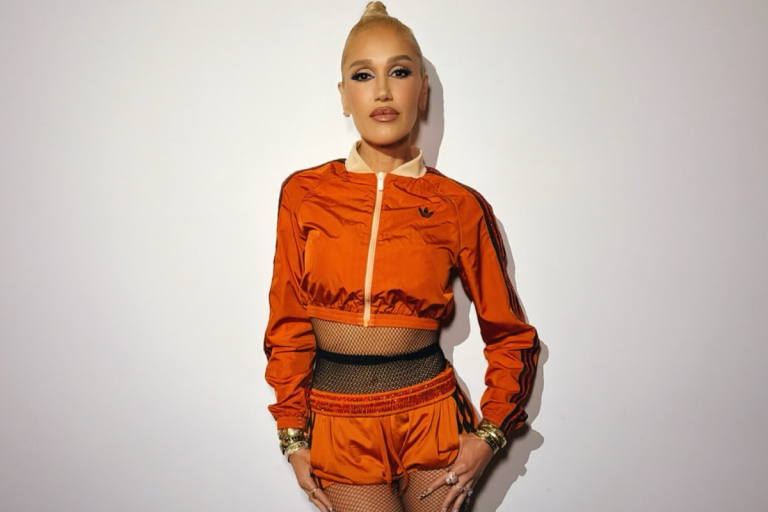
From No Doubt Rebel to Beauty Entrepreneur: Which Gwen Stefani Does Gen Z Know?
For younger audiences, Stefani's career extends well beyond the alternative-rock scene that introduced her to millennials. Her later work includes coaching appearances on The Voice, the launch of her GXVE Beauty cosmetics brand in 2022 and a more polished fashion identity. Yet her earlier influence has not disappeared. Her 1990s wardrobe, particularly its combination of streetwear, punk references and experimental beauty, continues to offer inspiration for contemporary fashion enthusiasts.
No Doubt's 2024 Coachella reunion also created an opportunity for younger audiences to discover the band's earlier music, with Olivia Rodrigo joining the group onstage during Bathwater. For some longtime fans, however, the contrast between the rebellious frontwoman of Tragic Kingdom and today's established celebrity remains difficult to reconcile. The debate highlights how strongly audiences can associate performers with a particular period of their lives, even as those performers develop new interests and identities.
Stefani has spent decades moving between alternative rock, mainstream pop, television and beauty entrepreneurship. Whether her transformation represents personal growth or a departure from her original image remains a matter of individual interpretation.