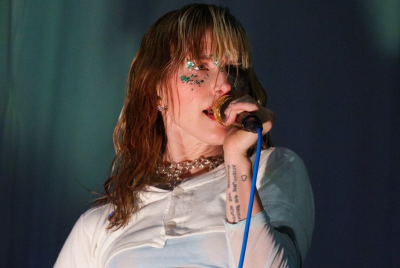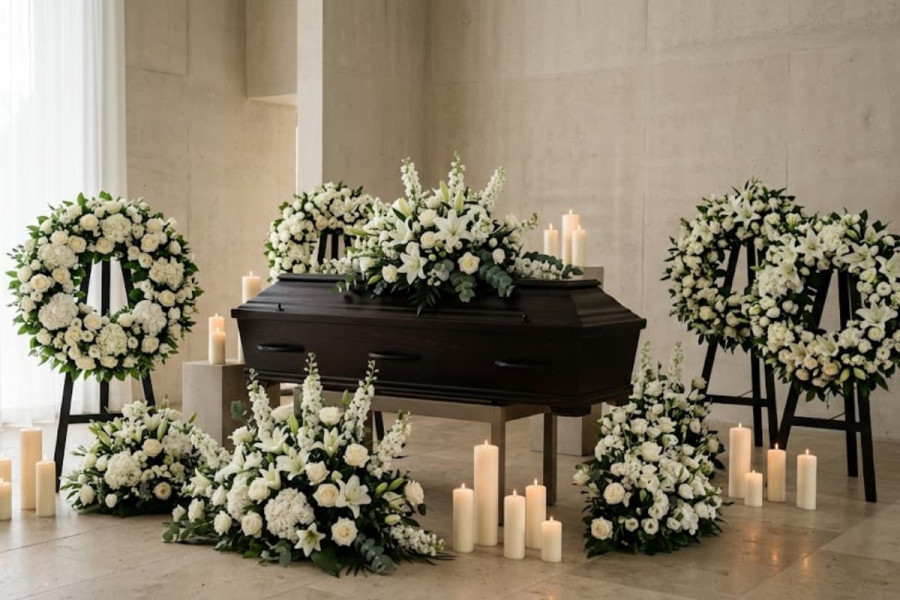
A living funeral held by Filipino comedian Ate Gay has brought attention to a different way of saying goodbye, allowing family and friends to celebrate a person's life while they are still alive. The gathering comes as funeral services and memorial traditions explore more personal ways to honour the lives of those who have died.
Ate Gay, whose real name is Gil Aducal Morales, gathered loved ones and fellow entertainers at Forest Lake Memorial Parks on 15 October 2026. The comedian shared photographs from the event on social media, where the setting resembled a traditional wake, complete with floral arrangements and portraits of him. He captioned the post, 'Celebration of Life ... Undasko 2026', giving family and friends an opportunity to express their appreciation and share memories with him in person.
Ate Gay's Living Funeral Amid His Cancer Journey
The gathering follows Ate Gay's public disclosure of his stage four cancer diagnosis in September 2025. The comedian has since undergone intensive treatment, including chemotherapy and radiation therapy, and has shared updates about his health with his followers.
In an October 2025 interview, Ate Gay discussed his treatment, which included 35 days of radiation therapy and chemotherapy. He later announced that he had completed chemotherapy, although his cancer treatment continued with further care, including immunotherapy.
His health journey has also attracted assistance from supporters. An anonymous donor helped with his radiation therapy, while a fan offered him temporary accommodation near the hospital during treatment.
The living funeral gave Ate Gay an opportunity to receive tributes directly from the people closest to him. Rather than reserving expressions of love and gratitude for a traditional funeral after death, the gathering allowed those sentiments to be shared in his presence.
The event also drew reactions from fans who initially mistook the photographs for news of his death. Supporters subsequently shared messages of encouragement, prayers and well-wishes.
What Is a Living Funeral?
A living funeral is a gathering held to celebrate a person's life while they are still alive. Depending on the individual's wishes, it may include speeches, personal stories, music, photographs and expressions of gratitude from family members and friends.
Unlike a conventional funeral, which takes place after someone has died, a living funeral allows the person being honoured to participate in the occasion and hear what their loved ones want to say. The format can vary according to personal, cultural and family preferences. For some, it may resemble a formal memorial service, while others may choose a more relaxed celebration focused on shared experiences and happy memories.
Comment
by u/VigiIanteShit from discussion
in AnongThoughtsMo
Ate Gay's gathering reflected this approach by bringing together people from different parts of his life to honour him directly. The event was presented as a celebration of life rather than an announcement of his passing.
Living funerals are not a replacement for traditional funeral services, but they offer another way for people to express affection and appreciation during a person's lifetime. They can also provide an opportunity for families to discuss wishes surrounding death and remembrance before the need for funeral arrangements arises.

Swedish Funeral Agency Introduces 'The Swedish Exit'
A similar interest in more personalised farewells has also emerged in Sweden, where funeral agency Fonus has introduced a concept called 'The Swedish Exit'. The concept imagines a farewell inspired by Swedish Midsummer celebrations, with music, food, drinks and an atmosphere centred on celebrating the life that was lived. Rather than focusing exclusively on solemn rituals, the proposed gathering brings together elements of a traditional Swedish summer party.
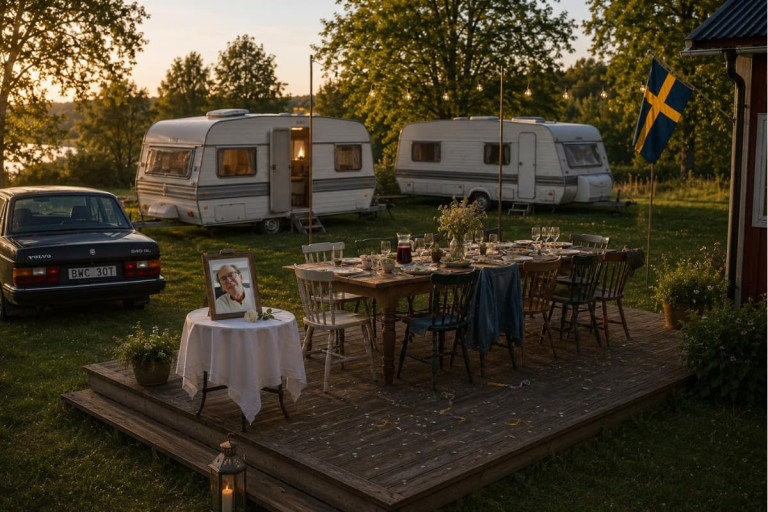
Fonus said its survey, conducted by Verian, found that 35 per cent of respondents wanted a more festive funeral focused on the life of the person being remembered. The research also explored specific preferences for funeral ceremonies. According to the agency, 34 per cent favoured playing their favourite music, while 26 per cent preferred an outdoor ceremony. Fourteen per cent wanted guests to receive a personal keepsake, and 12 per cent expressed a preference for ending the evening around a fire. The survey involved 1,000 respondents aged between 18 and 84, interviewed online from 3 to 6 June 2026.
Fonus Says Farewells Are Becoming More Personal
Conny Sohlberg, a funeral director at Fonus, said the industry had observed a growing willingness among people to discuss how they would like to be remembered. 'For many Swedes, it is no longer only about saying goodbye. It is also about throwing one last party for the life that was lived,' Sohlberg said in comments supplied by the agency.
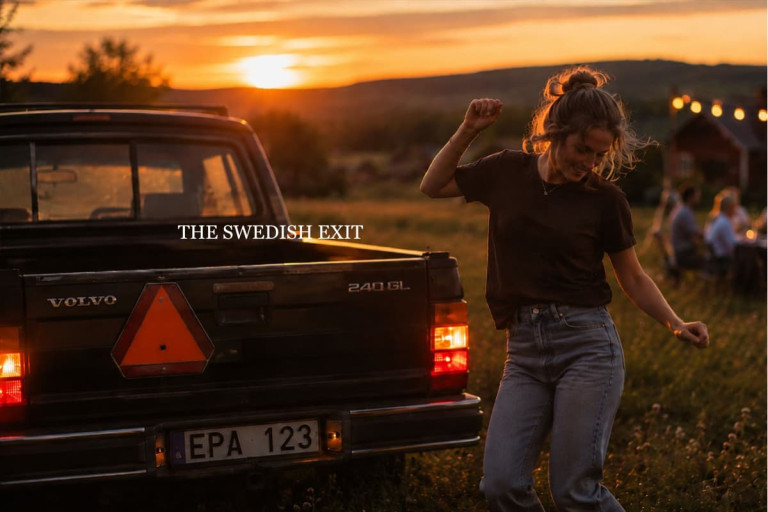
He added that a celebration incorporating warmth, laughter, music and shared memories could remain meaningful and respectful. The Swedish Exit is a visual interpretation of survey findings rather than a description of a single funeral or a requirement for families arranging a service. Its purpose is to illustrate the different ways people may choose to commemorate a life. The concept also reflects a distinction between the traditional formality of a funeral and a farewell shaped around an individual's personality, interests and relationships.
Changing Ways of Remembering Loved Ones
Ate Gay's living funeral brought family, friends and fellow entertainers together to honour him during his lifetime. Meanwhile, Fonus's Swedish Exit concept presents an alternative vision of a funeral, inspired by survey findings on how Swedes would like to be remembered.
The two examples feature different approaches to farewells, from receiving tributes in person to planning a celebration that reflects an individual's personality and preferences. Fonus's proposed concept incorporates music, food, drinks and outdoor festivities inspired by Swedish Midsummer traditions. Both reflect approaches to remembering loved ones that place personal wishes and life celebrations alongside established funeral customs.