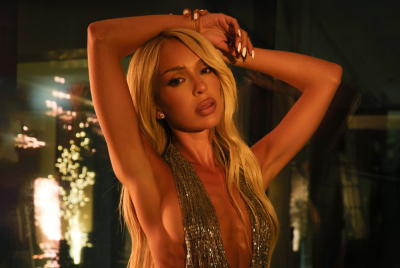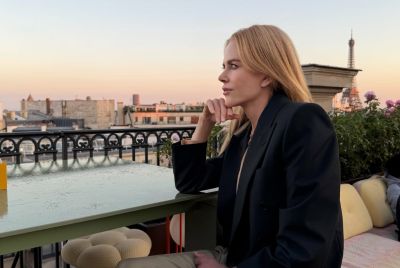

Barbie wasn't born in a fashion capital. She wasn't sketched in Paris or sewn together in Milan. Yet over six decades, Barbie has evolved from a humble 11½‑inch toy doll into a globally recognisable style symbol, whose influence continues to ripple through runways, designer collaborations, and street culture alike. Far from being a mere cultural curiosity, Barbie's fashion legacy has become woven into how designers approach colour, silhouette, and imagination—and her impact shows no signs of fading.
Whether it's the hot-pink blush of a Valentino couture show or the 'Barbiecore' trend dominating social feeds, Barbie's fashion footprint is everywhere you look. To understand why designers still take her seriously, it is helpful to see Barbie not as a toy but as a cultural mirror—reflecting and shaping how femininity, style, and play interact in contemporary fashion.
Her impact is as much about attitude as it is about aesthetics. Barbie embodies confidence, aspiration, and self-expression, allowing fans and fashion followers alike to explore identity through style. Across decades, she has served as a canvas for creativity, a muse for designers, and a reference point for cultural conversations—proving that even a doll can leave a lasting mark on the world of fashion.
Barbie's evolution also mirrors society's changing relationship with fashion and identity. From early visions of glamour to the inclusive and diverse representations of today, she has provided a lens for understanding how style conveys personal narrative, cultural aspiration, and even political statements. In this way, Barbie's fashion legacy is both playful and deeply meaningful.

Barbie as a Fashion Reference
When Barbie debuted in 1959, she arrived in a strikingly adult form, with a wardrobe of chic, mini-skirted ensembles. While dolls at the time were almost exclusively baby figures, Barbie represented the radical idea of a teenage model with her own closet—a miniature muse for aspirational play. Over time, her wardrobe evolved alongside real-world fashion, mirroring trends from the 1960s mod look to the power shoulders of the 1980s and the glittery glamour of the 1990s.
Barbie became more than a toy; she was a style reference, a cultural shorthand for elegance, playfulness, and imagination. Designers quickly recognised the potential of her wardrobe as a source of inspiration. Miniature garments translated into ideas for runway silhouettes, bold colour choices, and even experimental accessories. Her wardrobe offered a low-stakes laboratory for style experimentation that both designers and fashion enthusiasts could reference in their own work.
Designer Collaborations: Barbie Meets Couture
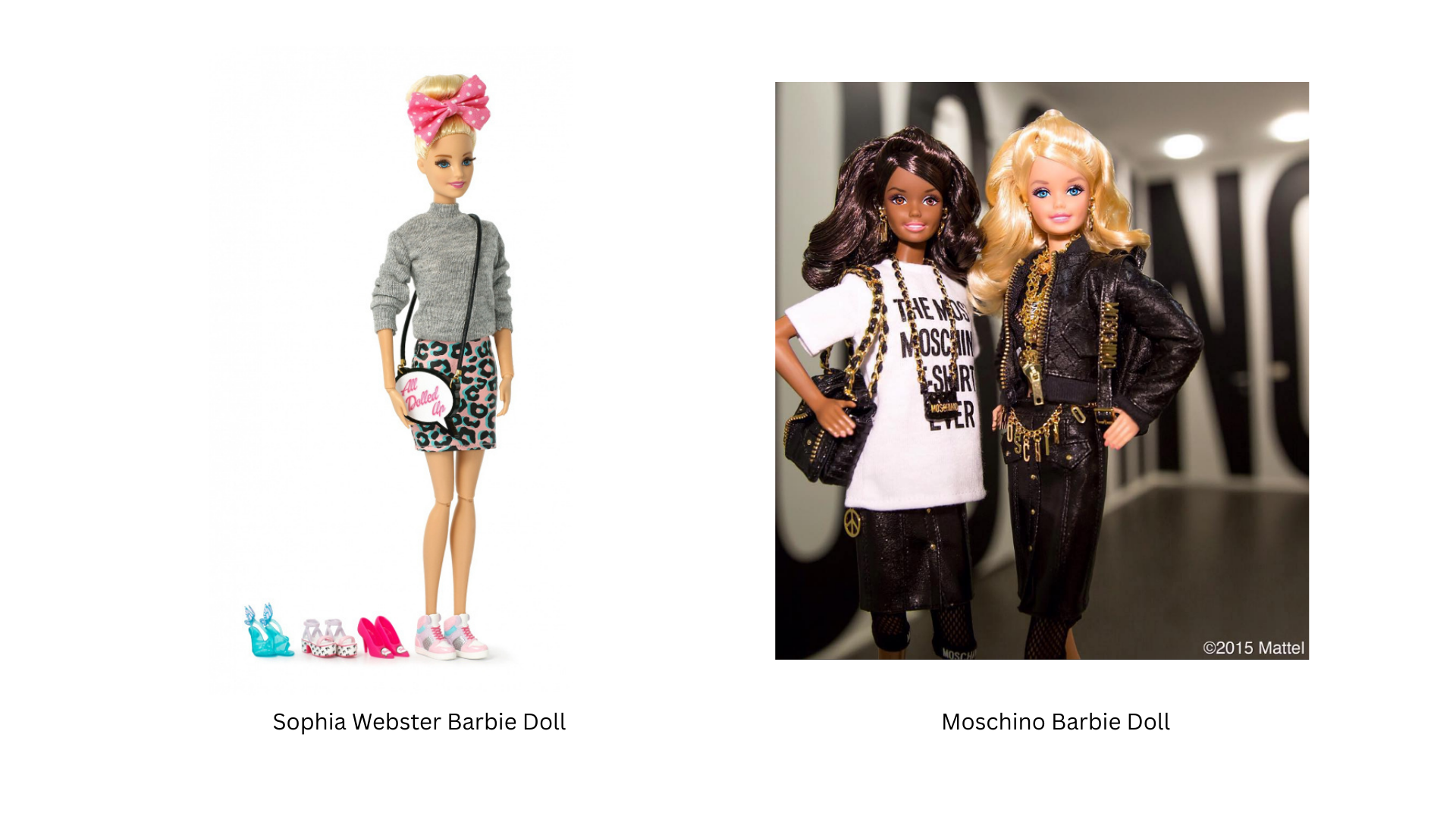
Barbie's influence extends far beyond playrooms. Over the decades, a range of high-profile designer collaborations has cemented her status as a fashion icon. British designers have engaged directly with Barbie's aesthetic. Sophia Webster, for instance, created footwear inspired by Barbie dolls, blending playful exaggeration with wearable elegance. Meanwhile, Moschino's Jeremy Scott famously sent Barbie-inspired miniatures down the runway, marrying humour with high fashion sensibility.
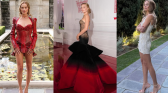
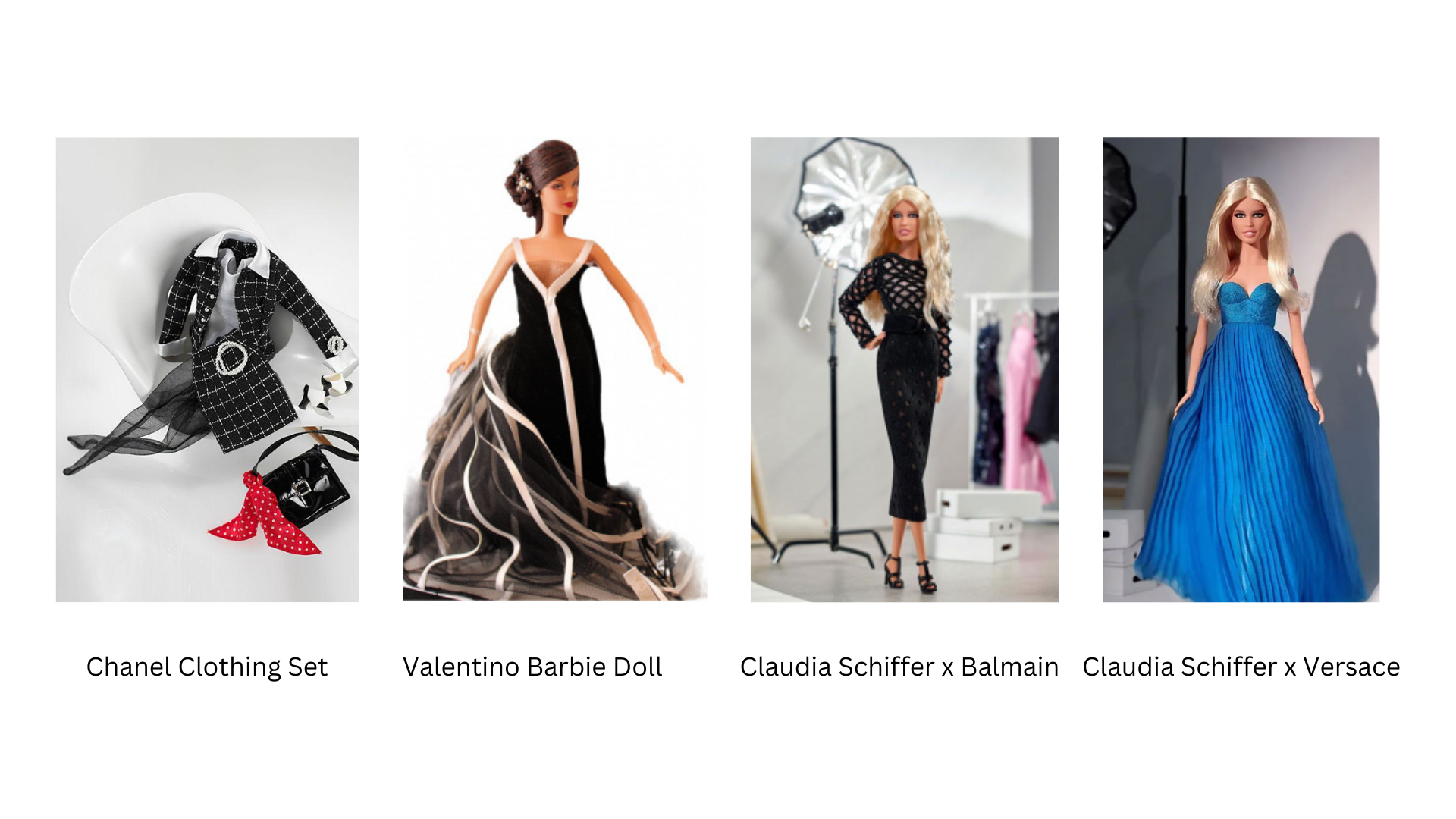
Other international houses have drawn from Barbie's cultural resonance to create collections that flirt with nostalgia while remaining contemporary. Valentino has incorporated Barbie-inspired pinks and pastels; Chanel has referenced the doll in its accessory choices; and Balmain has launched official Barbie-ready-to-wear capsules, complete with bold colours and playful silhouettes.
These collaborations underscore that designers do not regard Barbie as a gimmick. They treat her as a cultural touchstone, a symbol of confidence, fun, and imagination that can be reinterpreted through sophisticated design language.
Barbiecore: A Global and UK Phenomenon
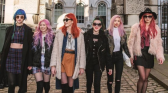
In recent years, Barbie's influence has reached a new peak with the emergence of the Barbiecore trend. Dominated by shades of pink, playful tailoring, and unapologetic femininity, Barbiecore emerged around 2022, catalysed by viral images from the film Barbie and a renewed interest in pink as a statement colour.
In the UK, Barbiecore manifested as a nuanced trend, blending bold colour with British style sensibilities. Fashion influencers layered pink trench coats over traditional tweeds or paired candy-coloured accessories with minimalist winter outfits. The approach reflected a uniquely British interpretation: playful yet considered, expressive but wearable, echoing Barbie's capacity for aspiration without artifice.
UK retailers and designers also embraced this aesthetic. & Other Stories, COS, and Finery London introduced pink-themed collections that nodded to Barbie without venturing into costume territory. On the catwalk, London Fashion Week incorporated colour-blocking, iridescent fabrics, and statement accessories reminiscent of Barbie's playful energy. Here, Barbiecore was not a fad—it was a cultural language, shaping seasonal colour palettes, editorial styling, and consumer tastes.

Barbie's Runway Influence
Barbie's reach extends far beyond doll-inspired capsules or social media trends. On British runways, her influence is felt in bold colour choices, playful silhouettes, and an underlying confidence that designers aim to channel in their collections. From pastel tailoring in men's wear to volumetric layering in women's wear, the Barbie aesthetic inspires experimentation while maintaining sophistication.
The concept works because Barbie embodies both timelessness and adaptability. Designers can reference her recognisable iconic silhouette, palette, or attitude without resorting to mimicry. Barbie's legacy, therefore, functions as a visual shorthand for optimism, glamour, and cultural awareness — qualities that resonate deeply within the UK fashion scene, which balances eccentricity with a strong sense of heritage.


Barbie and Identity
Beyond colour and form, Barbie's influence touches on identity and representation. Designers and creatives often reference her as a symbol of aspiration and play. Her wardrobe choices, from couture-inspired gowns to casual-chic ensembles, offer a lens through which to explore style, gender, and cultural ideas.
The introduction of dolls representing diverse body types, skin tones, and abilities has amplified this influence, positioning Barbie as a mirror for evolving societal attitudes — particularly in a UK context increasingly focused on inclusivity and representation.

Barbiecore in Everyday Style
Barbie's presence in the everyday wardrobe has become a practical manifestation of her runway influence. UK fashion enthusiasts, editors, and influencers incorporate Barbie-inspired tones and accessories into winter layers, eveningwear, and casual street style. Pink, once considered a novelty, now carries connotations of confidence, playfulness, and empowerment.
The Barbie-inspired aesthetic enables experimentation, allowing individuals to embrace joy in fashion while maintaining a sense of sophistication and self-expression.
Visual Timeline: Barbie's Style Through the Decades
To illustrate her fashion evolution, here's a timeline of key Barbie looks. Each image captures a style moment that has influenced designers and fashion culture over the years.
1959 – Original Barbie
Striped swimsuit debut, signalling a new era of miniature adult fashion.

1970s – Disco & Youth Culture
Bold colours, wide collars, and funky accessories mirrored disco-era fashion.

1980s – Power Dressing
Structured jackets and bold colours echoed the rise of women's confidence on the runway.

1990s – Supermodel Era
Glamorous, runway-inspired ensembles aligned Barbie with fashion editorials.

2000s – Modern Minimalism
Streamlined silhouettes reflected the era's refined and wearable luxury.

2010s – Diversity & Inclusivity
Expanded representation with varied body types, ethnicities, and abilities.

2020s – Couture & Barbiecore
Bold pinks, playful silhouettes, and joyful colour define the Barbiecore trend.

Why Designers Still Take Barbie Seriously
So why does a toy doll command serious attention from designers and stylists? Because Barbie is more than plastic; she is a cultural archive. Her wardrobe, pose, and persona offer inspiration that is simultaneously aspirational, playful, and historically grounded. Designers treat her not as a novelty but as a reference point—a lens through which fashion, colour, and identity can be interpreted, subverted, or celebrated.
In the UK, this is particularly evident. From high-street capsules to couture collaborations, Barbie continues to inform a distinctly British approach to style: bold yet measured, playful yet grounded, and optimistic yet sophisticated. She demonstrates that fashion is a storytelling medium and that even a doll can influence what people wear, how they express themselves, and how culture is interpreted through colour and silhouette.

Fashion's Most Unexpected Icon
Barbie's journey from an 11½-inch fashion doll to a global style icon reflects more than the evolution of a toy—it charts the development of a cultural symbol, a source of inspiration, and a conduit for self-expression.
Designer collaborations, Barbiecore trends, runway experimentation, and UK street style all attest to the doll's enduring influence. For designers, stylists, and consumers alike, Barbie remains a serious, sophisticated muse: a symbol of creativity, optimism, and fashion as a medium of cultural expression.