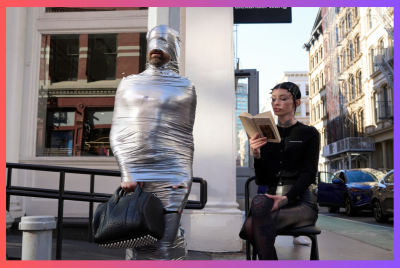
Negative body image is more common than many people realise. It can affect how people see themselves, influence relationships, undermine performance at work or school and even impact physical health.
While social media and unrealistic beauty standards often receive the blame, psychologists say body confidence is shaped just as much by the way people think about themselves as by external influences.
The good news is that those thought patterns can be changed. According to the Mayo Clinic, cognitive behavioural therapy (CBT) techniques and other evidence-based approaches can help people challenge negative beliefs, build healthier self-esteem and develop lasting body confidence.
6 Clinically Backed Strategies Recommended by Mental Health Experts:
1. Identify the Situations that trigger negative body image
The first step is recognising when negative feelings about your body are most likely to surface.
Identify situations that consistently affect self-esteem. These may include social events, workplace presentations, relationship difficulties, stressful life changes or time spent comparing yourself with others online.
Recognising these triggers allows people to prepare for them rather than becoming overwhelmed by automatic emotional reactions.
Mental health professionals explain that awareness is often the foundation of behavioural change. Once a trigger is recognised, it becomes easier to interrupt harmful thinking before it escalates.
2. Pay attention to your inner dialogue
Many people treat negative thoughts about their appearance as objective truth. However, clinical psychologists note that this perception is often inaccurate. Rather than accepting self-judgements at face value, it is more useful to develop awareness of 'self-talk'—the ongoing internal dialogue that shapes how you interpret yourself and the world around you.
Ask yourself simple questions:
- Is this thought actually true?
- Would I say this to someone I care about?
- Am I judging myself more harshly than I would judge anyone else?
Negative beliefs often become deeply ingrained simply because they have been repeated for years, and not because they are accurate.
3. Challenge distorted thinking instead of accepting it
According to CBT principles, thoughts are not always facts.
Several common thinking patterns can erode self-esteem, including all-or-nothing thinking, mental filtering, dismissing achievements, jumping to negative conclusions and confusing feelings with facts.
For example, someone who thinks, 'I feel unattractive, therefore I am unattractive', is treating an emotion as objective reality.
Instead, psychologists recommend asking whether there is another explanation supported by evidence. Research shows CBT is one of the most effective psychological treatments for improving self-esteem and reducing anxiety linked to body image.
4. Replace self-criticism with balanced self-compassion
Once negative thoughts have been identified, the next step is replacing them with more realistic ones. Use hopeful statements, forgive yourself for mistakes, avoid rigid 'should' thinking and deliberately recognise personal strengths instead of focusing exclusively on perceived flaws.
This does not mean pretending everything is perfect. Instead, it means responding to yourself with the same fairness and compassion you would offer another person.
Evidence suggests that practising self-compassion is associated with improved psychological wellbeing, lower anxiety and healthier body image.
5. Learn to observe negative thoughts without letting them control you
Acceptance and Commitment Therapy (ACT) offers another evidence-based strategy to support self-confidence. Rather than trying to suppress every negative thought, ACT encourages people to notice those thoughts without immediately believing or acting on them.
The Mayo Clinic explains that negative thoughts do not always need to be controlled or changed. Instead, people can reduce their influence by recognising them as passing mental events rather than objective truths.
This psychological distancing can reduce emotional distress and improve resilience over time.
6. Support Your Mind By Looking After Your Body
Confidence is influenced by more than thoughts alone.
Supporting self-esteem through healthy daily habits, such as regular physical activity, balanced nutrition, enjoyable hobbies and spending time with supportive people, is crucial for building a positive body image.
Exercise, in particular, has consistently been linked to improved mood and greater body appreciation, even when weight does not change.
Experts also advise limiting time spent with people who reinforce negative self-perceptions while seeking relationships that encourage acceptance and personal growth.
Body Confidence Is Built Over Time
There is no overnight cure for poor body image, but clinical evidence suggests that small, consistent changes in thinking can produce meaningful improvements.
Rather than trying to eliminate every negative thought, experts recommend learning to recognise distorted thinking, respond with greater self-compassion and develop healthier daily habits that reinforce self-worth.
As the Mayo Clinic notes, these strategies might seem awkward at first, but become easier with practice. Over time, recognising and challenging the beliefs that undermine self-esteem can help people better appreciate their value as individuals and build more lasting body confidence.
For anyone whose body image concerns are causing significant distress or interfering with daily life, seeking support from a qualified mental health professional remains one of the most effective next steps.