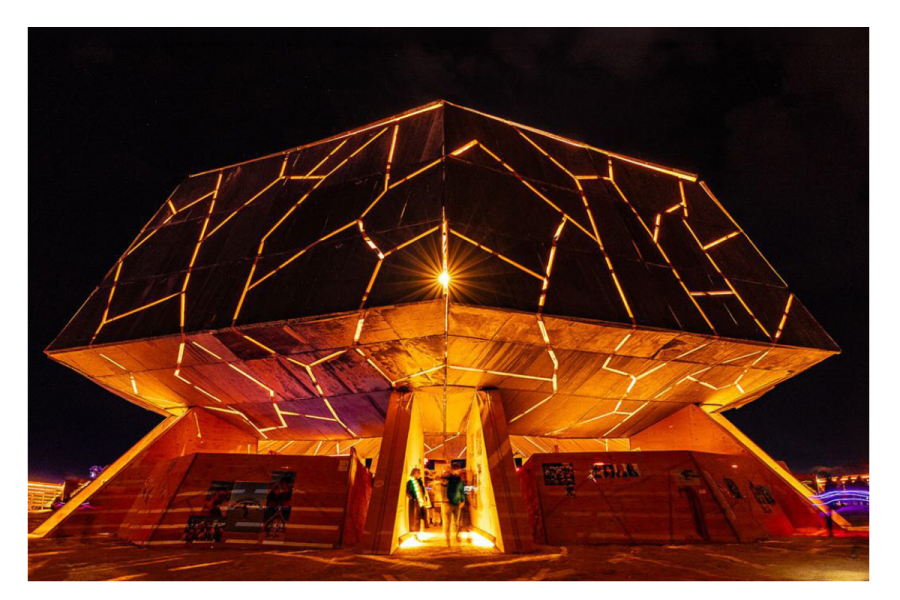
For over a decade, securing a ticket to Burning Man was an exercise in intense digital queueing and rapid sell-outs.
As Black Rock City prepares to welcome attendees for the 2026 event running from 30 August to 7 September, organisers and veterans alike face an unfamiliar reality.
According to organisers, tickets remain unsold, and secondary markets are flooding with heavily discounted passes.
Reports from The San Francisco Standard reveal a dramatic shift in demand for the annual counter-cultural gathering in Nevada's Black Rock Desert. For the third consecutive year, the event has struggled to sell out its full allocation before the gates open, prompting desperate ticket holders to dump unwanted passes on secondary platforms at fractions of their original value.
The End of Scarcity
Historically, obtaining entry to the temporary desert metropolis meant navigating a notoriously strict ticketing system. The Burning Man Project's official Secure Ticket Exchange Program (STEP) served as the primary, safe peer-to-peer conduit for buying and selling verified passes at strict face value.
However, in 2026, general admission 'Pay Your Way' passes were introduced at a base price of $775 (£585). This was a notable increase from the $575 (£435) base price seen in 2024. When combined with a separate $165 (£125) vehicle pass requirement and mandatory fees, total costs quickly spiralled past $1,000 (£755) per person.
Faced with steep upfront costs, many ticket buyers turned to secondary markets like Craigslist and community forums to offload extra inventory. With supply far outpacing demand, asking prices have plummeted well below face value, creating a buyer's market just days before the festival begins.
Weather Fatigue and Financial Pressure
Industry observers point to a combination of extreme weather fatigue, rising inflation, and shifting cultural trends to explain the drop in enthusiasm. The 2023 edition was hit by severe rainstorms that turned the desert playa into treacherous mud, stranding tens of thousands of participants and disrupting exit routes.
Subsequent years brought extreme heatwaves and dust storms, leaving many former attendees hesitant to commit far in advance.
Furthermore, economic pressures have forced casual attendees and tech workers—who flooded the desert over the past decade—to reconsider their discretionary spending. Bringing a fully equipped camp to Black Rock City often requires thousands of pounds in infrastructure, logistics, survival gear, and transport, making the trip harder to justify amid broader economic uncertainty.
Strategic Changes to Ticketing Policies
To adapt to changing demographics and address affordability concerns, the Burning Man Project introduced instalment plans for all ticket tiers in 2026.
Organisers also adjusted distribution models to guarantee lower-tier $550 (£415) tickets directly to returning theme camps, relieving financial strain on long-term builders and volunteer crews.
Despite these policy adjustments, the secondary market collapse demonstrates that the era of instant sell-outs and hyper-inflated scalper prices has come to an end. While die-hard 'burners' view the shift as a welcome cultural reset—shifting the focus away from wealthy influencers and back toward dedicated community builders—organisers now face the challenge of managing a festival where ticket scarcity is no longer guaranteed.