
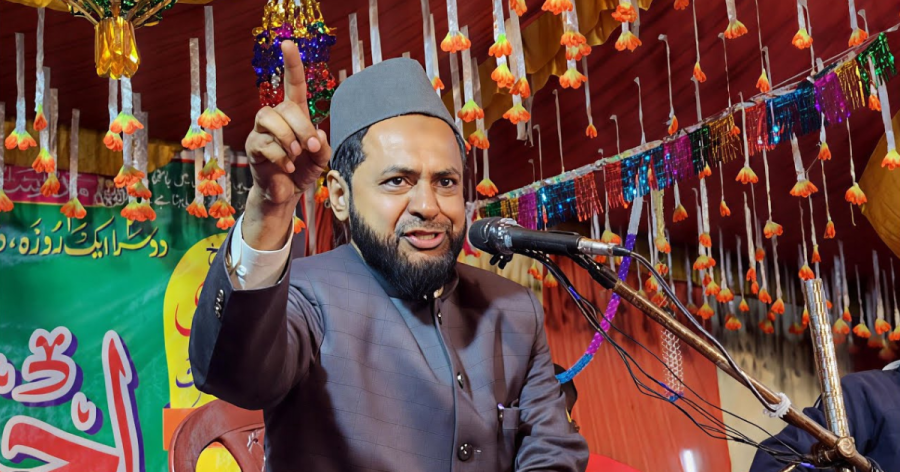
Today we look back at a controversial Islamic cleric known for widely circulated online sermons has remained a subject of public discussion years after his conviction in a rape and blackmail case. Maulana Jarjis Ansari, once a prominent digital religious speaker, was sentenced to 10 years of rigorous imprisonment along with a monetary fine following a fast-track court ruling in Varanasi.
The case, which began with allegations filed in 2016, involved claims from a woman within the same religious community who accused Ansari of deception, coercion and abuse of trust. According to court records and reporting on the proceedings, she alleged that he misrepresented his marital status while initiating a sexual relationship with her, later recording intimate videos without consent and using them for blackmail.
Court Verdict Delivered
On 22 September 2022, a fast-track bench at the Varanasi district court delivered its judgment, with additional district judge Neeraj Shrivastava presiding over the case. The court found Ansari guilty of rape and blackmail, concluding a legal process that had stretched over several years.
The sentencing included 10 years of rigorous imprisonment and a monetary penalty. While detailed proceedings remained within the judicial system, the verdict drew public attention due to Ansari's visibility as an online religious preacher and the scale of his digital following.
A Digital Preacher With Wide Reach
Before his conviction, Ansari had built a significant online presence through takrir (religious sermons), which were distributed across multiple platforms. His lectures were available on YouTube channels such as 'Ask Islamic Media', 'Islamic Conference', 'Takrir Video' and 'Ayat Muslim Media', among others.
His content reportedly attracted substantial viewership, with some videos gaining large engagement and his Facebook page accumulating hundreds of thousands of followers. This digital reach contributed to his prominence within online religious discourse, where he was both widely followed and frequently criticised.
Controversial Statements and Public Criticism
Alongside his online popularity, Ansari was also associated with controversial remarks that sparked criticism across social media platforms. Among the statements that drew attention were claims suggesting that women in labour should still fulfil sexual obligations towards men, comments widely condemned online for their extreme interpretation of gender roles and marital expectations.
Such statements, combined with his later conviction, have contributed to ongoing scrutiny of his influence and the responsibility of religious figures operating in digital spaces with large audiences.
Social Media Influence and Public Debate
Ansari's case highlights the growing impact of online religious content creators, particularly those who build large followings outside traditional institutional frameworks. His sermons circulated widely across platforms, reflecting how digital spaces can amplify individual voices to mass audiences.
Following renewed online discussion in 2026, debate has emerged around how such figures should be referenced in media and public discourse after conviction. Some argue that continued attention risks amplifying individuals with harmful histories, while others stress the importance of documenting court rulings involving public figures with significant influence.
One online commenter expressed concern over the renewed attention, writing: 'This conviction was 4 years ago, for a crime that happened 10 years ago. Why still give this scuzz-bucket any more attention or fame? You give men like this egotistical power by talking about them.'
The comment reflects a broader tension in digital media between accountability journalism and concerns over unintended amplification.
Accountability in the Digital Age
The case has also reignited discussion about how online platforms shape the reach of religious and ideological messaging. Experts have previously noted that viral visibility does not necessarily reflect credibility or institutional accountability, particularly in cases where content is consumed without context or oversight.
At the same time, legal and media analysts emphasise the importance of accurately reporting judicial outcomes, especially where individuals have held public influence over large audiences.
A Case That Continues to Raise Questions
Although the legal proceedings concluded with the 2022 conviction, the broader conversation surrounding Maulana Jarjis Ansari continues to evolve. His case sits at the intersection of digital influence, public accountability and the responsibilities of media coverage.
As online discussions persist into 2026, the case remains a reference point in debates about how society engages with controversial public figures after conviction, and how digital platforms shape the longevity of their influence even after legal consequences have been determined.