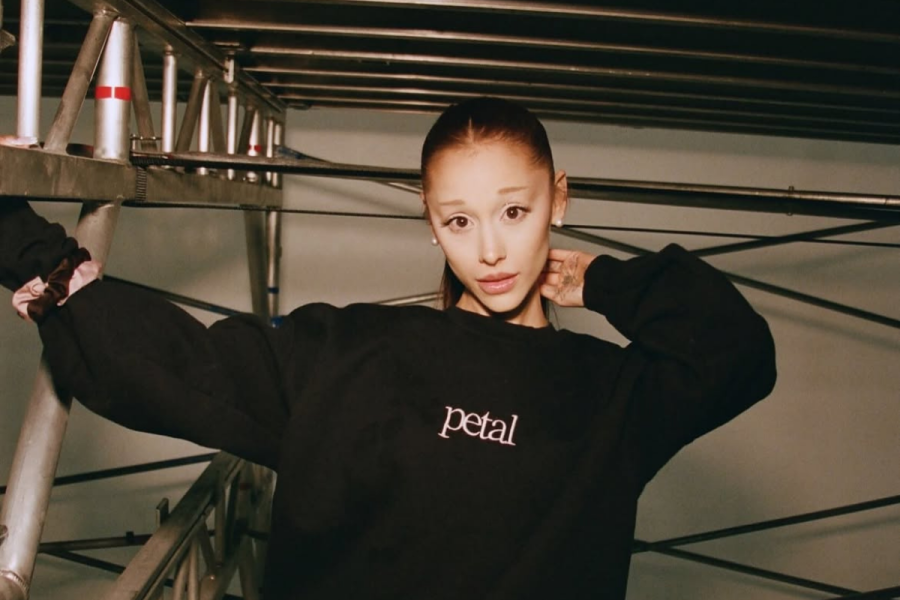
Ariana Grande released Petal on 31 July. Within hours, eating disorder recovery advocate Charli Howard called the release 'absolutely appalling, from both a moral and capitalistic standpoint', arguing Grande needed psychiatric help and hospitalisation rather than a new album rollout.
She closed her post by calling for the video to be pulled out and for Grande to be given time away from performing. Jameela Jamil echoed the criticism, branding Grande's team 'thoroughly irresponsible'.
Beneath the noise lies a simple question: Is this a powerful artist taking control of her story, or a record label failing to protect her?
Why Advocates Are Calling Out Ariana Grande's 'Petal' Video
Howard, who has written openly about her own recovery, directed most of her criticism at the people around Grande rather than at Grande herself. She pointed out that 'it takes teams, often hundreds, of people' to approve and release a video like this, arguing that each of them, including family and management, was enabling her illness rather than addressing it.
Jamil went further, arguing that the styling was deliberately chosen to highlight Grande's frame and provoke online debate. Her target wasn't Grande's appearance, but a management team willing to weaponise her image for free publicity.
The video's narrative does little to alleviate concerns about its interpretation. Grande portrays an aspiring performer who faces repeated rejection from a panel of studio executives. Eventually, she rebels against them, highlighting a story in which her character's body and value are subjected to ongoing institutional judgment, ultimately leading her to fight back.
Advocates argue that creating a video centred around this storyline, while showcasing Grande's visibly changed appearance, blurs the distinction between social commentary and mere spectacle.
Is Online Concern Just Body-Shaming in Disguise?
Grande's fans reject the framing entirely. Comment threads on X (formerly Twitter) and YouTube are filled with users insisting that scrutinising a thin woman's body is still body-shaming, regardless of the language used to justify it.
That argument leans directly on Grande's own past statements, that people have become far too comfortable commenting on others' appearance and that assuming ill health from how someone looks is dangerous. Her supporters are using her own words as the rebuttal to Howard and Jamil, arguing the singer pre-empted this exact controversy and was ignored anyway.
criticisms included in ariana grande’s ‘petal’ video:
— ꕤ (@glindaupland) July 31, 2026
“lovely voice, very kind but - nothing special. boring on the eyes. a little homely! couldn’t hurt to lose a few LBS”’ pic.twitter.com/58wTTsJBN6
The Business of 'Concern Content' in Music Videos
The urgency surrounding this situation doesn't alter the underlying incentives. Screenshots of Grande's appearance are spreading more quickly than the song itself, and this high level of engagement boosts the very algorithms responsible for watch time, streaming numbers, and chart rankings. A record label experiencing such traffic has little financial incentive to restrict or edit the clip, regardless of how vocally advocates may protest.
Grande's representative has announced the singer will step back from public visibility after her Eternal Sunshine tour concludes in London on 1 September. This decision comes in light of the ongoing scrutiny regarding her health. Neither Grande nor her team has directly responded to comments made by Howard or Jamil.
The silence creates a troubling standoff: labels can protect corporate neglect under the guise of artistic freedom, while online concerns increasingly blur the line between genuine advocacy and invasive body surveillance.