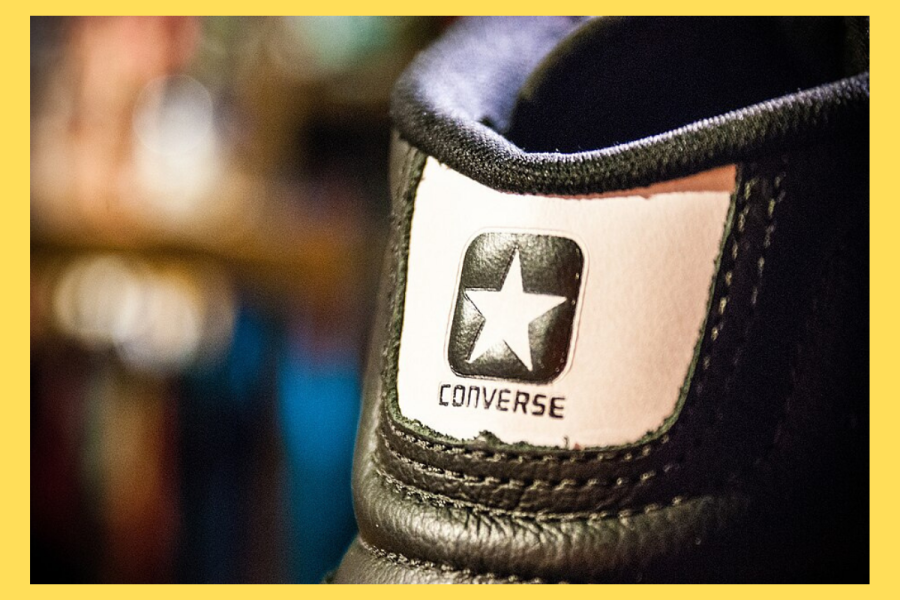
Converse has apologised and removed a Chuck 70 X campaign image featuring aespa star Karina after viewers said its composition evoked both a Ku Klux Klan hood and a lynching, turning a sneaker launch into the latest fashion controversy over imagery associated with anti-Black racism. The Nike-owned brand said on Friday, 18 September, that it understood why the image was 'deeply upsetting' and acknowledged that it 'got this wrong'.
The backlash has quickly widened beyond one photograph. Social media users are resurfacing years of fashion scandals involving blackface comparisons, racist caricatures and imagery that brands later withdrew, while Louisiana congressman Troy Carter condemned Converse and Nike with the line: 'Black pain is not a marketing prop. Lynching is not a creative concept. The Ku Klux Klan is not an aesthetic.'
Converse Apologises After KKK and Lynching Comparisons
The disputed image showed Karina in a long white skirt under a star-shaped light while holding black Chuck 70 X trainers at her side. Critics said the illuminated triangle resembled a pointed Klan hood, while the hanging shoes evoked lynching imagery. Converse removed the image and apologised, saying: 'This should not have happened, and we will do better.'
Online reaction focused heavily on how the campaign made it through production and approval. One photographer wrote on Threads that when she first saw the image, 'All I saw was a hanging person', later adding: 'The idea that it's a coincidence is asinine.'
She went further, writing that the controversy 'feels intentional to create these arguments' and adding: 'Using Black pain for marketing purposes is GROTESQUE.' That claim of intent remains her interpretation, and there is no evidence Converse deliberately referenced the KKK or lynching.
Criticism grew further as users resurfaced a separate Converse x Palmes campaign image featuring trainers suspended near a tree branch beside a model on a ladder. The two images have fuelled wider questions about the brand's creative oversight and revived discussion of earlier fashion controversies involving imagery criticised as racist or dehumanising.


'I Remember': Fashion's Earlier Racism Controversies Return
One Threads user summed up the reaction by listing controversies that many Black fashion consumers have not forgotten: 'I remember the Prada figurine charms. I remember the Vogue magazine cover. I remember the models on the fashion runways. I remember Gucci's mask. I remember H&M putting a little Black boy in a "monkey" hoodie.'
Some of those flashpoints stretch back well before the current controversy. Dolce & Gabbana's spring 2013 runway in 2012 featured Moorish-inspired earrings that critics compared with Blackamoor imagery associated with colonialism, while the label said the jewellery referenced traditional Sicilian artefacts. By January 2018, H&M was apologising after a Black child model appeared in a green sweatshirt reading 'Coolest Monkey in the Jungle', eventually removing both the image and the garment.
That May, supermodel Gigi Hadid and Vogue Italia apologised after her skin was heavily darkened for a Steven Klein cover shoot, with Hadid acknowledging that the concerns were valid. Prada then faced backlash in December 2018 over Pradamalia figurines and keychains with dark faces and oversized red lips, which critics compared with blackface caricatures. Prada pulled the products and said it abhorred 'all forms of racism and racist imagery'.
From Prada to Converse, Apologies Keep Reappearing
Gucci removed a black wool balaclava jumper in February 2019 after its red-lined mouth opening drew blackface comparisons, saying the incident would become a 'powerful learning moment'. Days later, Katy Perry Collections removed its Rue Face loafers and Ora Face sandals after the black versions faced similar comparisons. Perry and Global Brands Group said the designs were inspired by modern art and surrealism and that their intention was 'never to inflict any pain'.
Retailers including Dillard’s and Walmart pulled the footwear after it received backlash for resembling blackface.
— 🫥 (@ARTP0P95) September 20, 2026
Perry told the New York Times her shoes were part of a collection “envisioned as a nod to modern art and surrealism.” pic.twitter.com/IF6XI534by
The Converse controversy has now put that history back into circulation, particularly among users arguing that repeated apologies have not stopped racially charged imagery from reaching shops, magazines and advertising campaigns.
Carter has called for Nike and Converse to explain who created, reviewed and approved the campaign, while Converse has so far responded by apologising and removing the disputed image. The debate surrounding the Chuck 70 X campaign has therefore moved beyond one pair of trainers, reviving questions about why fashion repeatedly finds itself confronted with imagery that Black consumers say they have seen before.