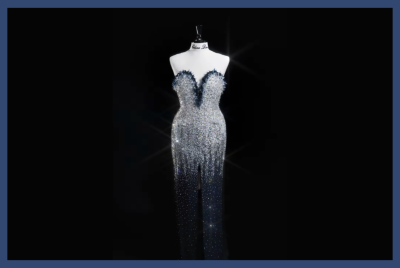
Ralph Lauren is facing fresh criticism over a deep-pink Spring 2027 evening gown shown in Manhattan on Wednesday, 9 September, after viewers identified its metallic embroidery and beadwork as resembling zardozi, a historic craft strongly associated with Lucknow, India. When the American fashion house shared close-up images of the gown on Saturday, 12 September, it described the look as made from 'shimmering silk-viscose' with 'hand-applied embellishments', without naming zardozi or India.
The wording quickly became the focus of the backlash. Lucknow-based fashion designer Prakhar Rao Singh Chandel argued that work resembling the gown's bead and metal-thread embroidery carries a specific craft identity, while Lucknow Zardozi has held Geographical Indication registration since 2013. Ralph Lauren's public description of the gown does not identify its embellishment technique as zardozi, so that comparison remains one made by designers and social media users rather than a confirmed description from the company.
Chandel's criticism goes beyond terminology. He argued that describing the handwork only as 'embellishments' removes its makers and regional identity from the story, particularly while Ralph Lauren described its pieces as carrying their own 'history and character'. 'Whose history? Whose character?' Chandel asked.
Why Critics Are Calling Out the Wording
Chandel challenged the way the brand presented the craftsmanship, pointing to the contrast between detailed language about the fabric and the broader phrase used for the surface work. 'It is a place before it is a decoration,' he wrote, before adding: 'Name it when you use it. Not when you get caught.' Other Instagram users similarly called for clearer acknowledgement of Indian craft traditions rather than treating the embroidery as an anonymous decorative detail.
The criticism is focused less on whether a global label can use metal-thread embroidery and more on how a traditional technique is named when it appears on an international runway. Ralph Lauren's post highlighted the gown's fabric, finish and cinematic effect, but did not identify a regional embroidery tradition. That omission is what critics say removes cultural context from a look whose detailing they immediately recognised.
Zardozi Has a Longer, More Complicated History
India's official handicrafts portal traces zardozi to Persia and says it was introduced to India in the 12th century before flourishing under Mughal rule. Over centuries, however, the craft developed major regional traditions in India, with Lucknow becoming one of its best-known centres.
Lucknow Zardozi is now registered as a Geographical Indication handicraft in Uttar Pradesh, and official government material estimates that its cluster supports about 175,000 artisans. Traditional work can involve zari, metal wire, beads, sequins and other materials applied using specialised tools and frames. Not everyone online has used the same label for Ralph Lauren's embroidery, with some observers identifying elements as aari rather than zardozi, making attribution important until the exact technique is confirmed.
Ralph Lauren Has Faced Similar Questions Before
IS THAT… jhumkas on a Paris Fashion Week runway?
— The Juggernaut (@thejuggernaut) March 7, 2026
Polo Ralph Lauren just showcased the iconic bell-shaped earrings.
But as Western brands rebrand / resell traditional Indian styles, when will artisans and our history get the credit?@snigdhasur explains: pic.twitter.com/695lPlZZsU
The Spring 2027 dispute comes months after Ralph Lauren faced criticism over bell-shaped earrings shown with its Fall 2026 collection in Paris that viewers compared with South Asian jhumkas. At the time, critics objected to the accessories being presented as vintage pieces without an explicit acknowledgement of the design tradition they said the jewellery resembled. The new gown has revived the same debate around how international fashion brands describe culturally recognisable craft.
For now, the central factual point is narrower than some of the strongest social media accusations. Critics see the gown's embroidery as zardozi, aari or closely related Indian handwork, while Ralph Lauren's public description calls it 'hand-applied embellishments'. Without confirmation from the brand about the exact technique, makers or place of production, claims that Ralph Lauren definitively used Lucknow zardozi should remain attributed rather than stated as established fact.