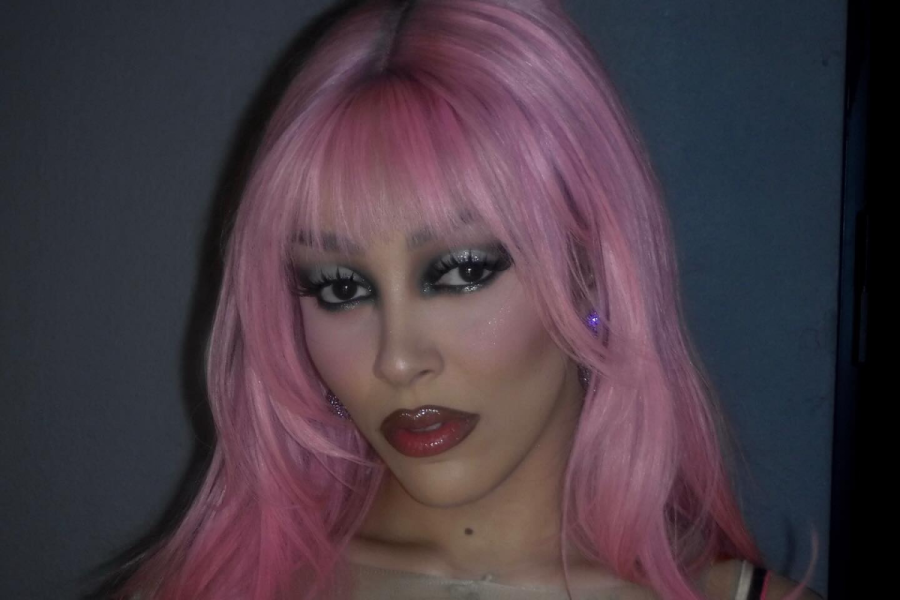
Doja Cat has said she believes she began hating herself at around age 8, opening up about childhood identity struggles while confronting the 'demonic' reputation and self-hate allegations that have followed her online. The Grammy-winning rapper and singer behind Paint the Town Red and Say So made the comments in TikTok videos posted on 31 August 2026, saying she felt compelled to address experiences she has spent years trying to understand.
The 30-year-old artist, born Amala Ratna Zandile Dlamini, traced those feelings back to moving to a predominantly white neighbourhood as a child. 'I think I hated myself since I was, could have been, like, 8 years old,' she said, while making clear those feelings do not describe her now. Doja later rejected several labels attached to her online, saying, 'I don't hate myself. I'm not racist. I'm not a white supremacist. I'm not a Nazi.'
Doja Cat Traces Self-Hate Back to Childhood
Doja Cat opens up about her struggles with using Cocaine and battling with mental illness in new TikTok. pic.twitter.com/9y0yAFvee2
— She’s Fishy ➐ (@ShesFishy) August 31, 2026
Doja said her childhood struggles were tied to being biracial and trying to understand where she fit in. She explained that getting older and learning more about herself helped her become more comfortable with her appearance and identity. She also encouraged people whose existing insecurities are reinforced by negative online comments to seek help.
The singer acknowledged why some people had interpreted aspects of her past behaviour as evidence of self-hate. Instead of dismissing that criticism outright, she said she had spent years thinking about where those perceptions came from. Her comments framed that history as something she has worked through rather than an accurate description of how she sees herself today.
Why She Confronted the 'Demonic' Label
Doja also addressed another reputation that has followed her online. 'A lot of people on the internet believe that I'm demonic,' she said before discussing the combination of substance use, mental health struggles and seeking validation online. She said alcohol had previously intensified negative thoughts and that she sometimes turned to the internet to reinforce them, while separately revealing that she struggled with cocaine around eight years ago and is now 'well past that'.
3 years ago today, Doja Cat released ‘Demons.’ pic.twitter.com/i4d1cOgqmj
— Pop Base (@PopBase) September 1, 2026
The Demons rapper used the discussion to warn against relying on social media while already struggling emotionally. She urged users to question whether hostile comments about other people reflect reality or the person posting them. Doja also said people are not 'indestructible' when navigating mental health, substances and online pressure.
Doja Cat Says She Is Still Healing
The TikToks follow Doja's earlier public discussion of her mental health. In March 2026, she said she was struggling with borderline personality disorder, describing the condition as 'agonising' and revealing that she had been in therapy for years. She also said she had spent much of her life pretending everything was fine before learning to be more honest with herself.
Doja said she was frightened to post the latest videos but felt discussing the subject was 'necessary'. She described facing something that scared her as part of moving forward and said she needed to get the subject off her chest. The videos present her childhood self-hate, online reputation and mental health struggles as connected parts of a longer process she is still working through.