
Four former warehouse workers have been jailed for up to seven years after conspiring to steal luxury CHANEL handbags and wallets from a 2017 consignment with a reported retail value of more than HK$19 million, or approximately £1.8 million.
The four men were sentenced at Hong Kong's High Court on 3 August 2026 following criminal proceedings over two schemes involving obsolete merchandise belonging to the French fashion house.
The two schemes involved a total of 691 handbags and 123 wallets. The larger 2017 consignment comprised 601 handbags and 123 wallets, with a reported retail value of more than HK$19 million.
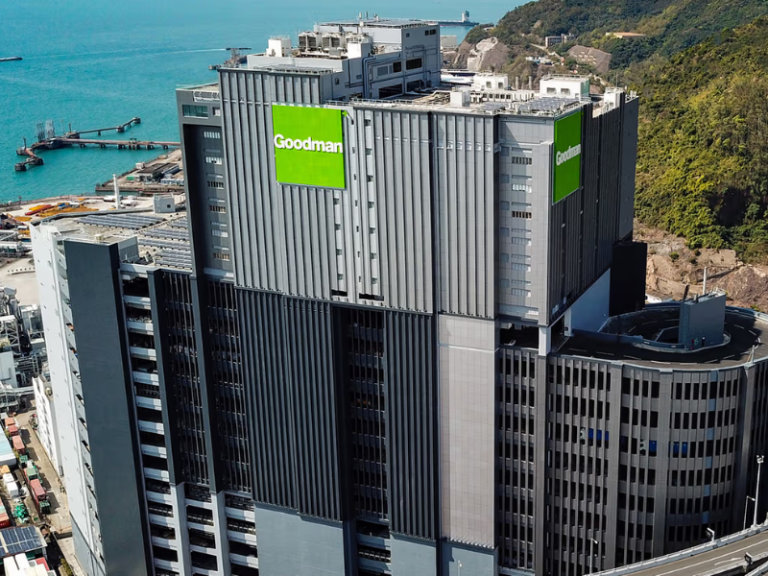
The attempted thefts took place at CHANEL's warehouse at the Goodman Interlink logistics facility in Tsing Yi, Hong Kong, where old merchandise was awaiting destruction. Although the goods were recovered before they could be removed from the facility, all four men received prison sentences for their respective roles in the schemes.
The court considered the merchandise's production cost, rather than its full retail value, when assessing the goods' value for sentencing purposes.


Inside the Plot To Steal CHANEL's Handbags
According to court reporting, CHANEL's Hong Kong operation destroys between 10,000 and 20,000 old luxury items every six months, with merchandise moved for shredding once it is no longer intended for sale.
The first incident took place in June 2016, when warehouse employees Happy Ho Tung-shan and Ho Tsz-yin attempted to steal 90 handbags by concealing them rather than sending them for destruction.
Security staff discovered the items, but the incident was not reported to police at the time. The main conspiracy unfolded between 20 January and 2 February 2017 and involved all four defendants in different roles.
Ng Yiu-lun was working as a warehouse supervisor and had access to the facility's restricted freight lift. Cheung Ka-wai, meanwhile, had left CHANEL in 2011 and was a former employee by the time of the 2017 scheme.
Ng was reported to have provided a password and offered accomplices between HK$30,000 and HK$50,000 to participate.
Ho Tung-shan and Ho Tsz-yin were serving warehouse employees and were also involved in the conspiracy.
On 2 February 2017, the group attempted to remove 33 boxes containing 601 handbags and 123 wallets from the warehouse.
Ho Tung-shan and Cheung were involved in moving the boxes, while Ng's position and access to the warehouse were central to the attempted removal. Ho Tsz-yin was also involved in the wider conspiracy.
The operation was interrupted when an assistant warehouse manager became suspicious and alerted police.
Officers discovered the merchandise inside the boxes and recovered the entire consignment before it could be removed from the facility. The goods were recovered and subsequently destroyed.
4 Former Warehouse Workers Jailed Despite Merchandise Recovery
The High Court sentenced the four men to between four and seven years in prison, with the judge identifying Ng as the mastermind behind the scheme.
Ng was sentenced to seven years, while Cheung received five years and three months. Ho Tung-shan and Ho Tsz-yin were each jailed for four years. The defendants did not face identical charges or enter the same pleas.
Ho Tung-shan pleaded guilty to one count of conspiracy to steal. Ho Tsz-yin pleaded guilty to two counts of conspiracy to steal and one count of conspiracy to handle stolen goods.
Ng and Cheung were convicted of conspiracy to steal following a trial.
Cheung was also tried on a separate charge of handling stolen goods in connection with other merchandise found at a storage unit he rented, but he was acquitted of that charge by the jury. His conviction was for conspiracy to steal.
For sentencing purposes, the court reportedly considered the goods' production cost of approximately HK$8.24 million rather than the reported retail value of more than HK$19 million for the larger 2017 consignment.
The judge also took into account that the merchandise was recovered and that CHANEL had suffered no financial loss, according to court reporting.
The judge further considered the lengthy delay between the offences and sentencing when determining the prison terms. The sentencing came almost a decade after the first attempted theft in 2016.