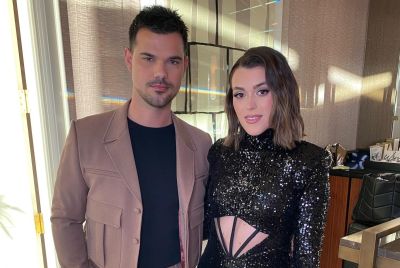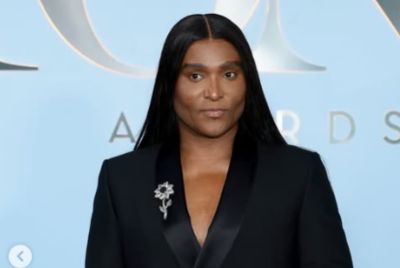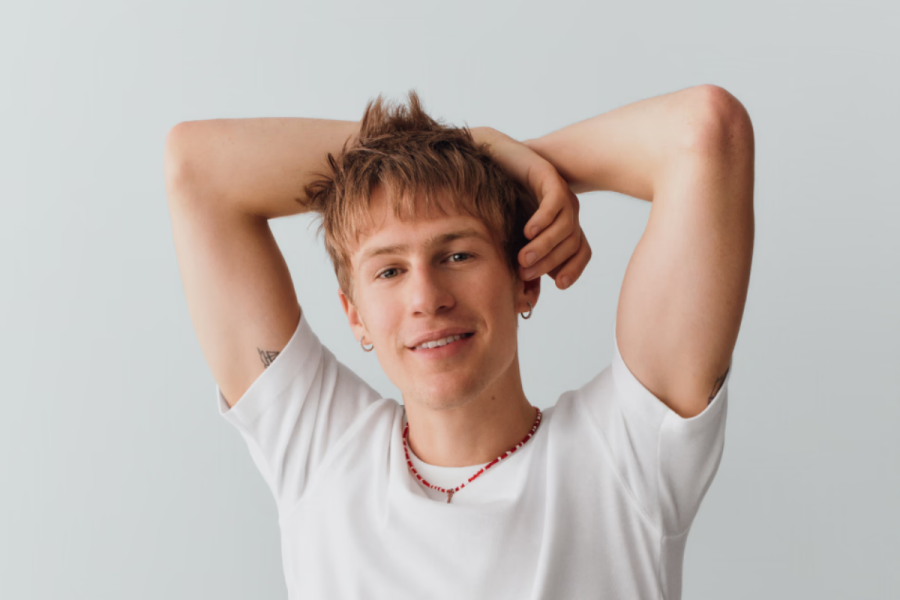
Gap was riding high on the success of its KATSEYE campaign. Now it's dealing with the exact opposite problem, with fans demanding a formal apology to Robyn, the original singer and co-composer of 'Dancing on My Own'. The new 'Denim on Your Own' advertisement, featuring singer Malcolm Todd, has not received a positive reception, especially when placed alongside the girl group's high point.
The timing of the comparison is hard to overlook. KATSEYE's advertisement was effective because it aligned with the chaotic, hyper-online energy that Gen Z seeks in their social media feeds. In contrast, Todd's hushed cover of 'Dancing on My Own' encourages audiences to pause, and many viewers just aren't here for it.
Gap's New Commercial Triggers Online Backlash
Gap's Chief Marketing Officer, Fabiola Torres, has supported the recent shift in the brand's direction. She explained to trade publications that the campaign aims to showcase the brand's ability to transition from 'perfect choreography to loose movement.' Todd also affirmed this in an interview with Nylon, mentioning that Gap's team encouraged him to enjoy the process of creating the cover and stated that there were 'no rules' to follow.
Online, the reaction has told a very different story. Replies under the ad have been brutal, including one flat declaration that 'you will never be KATSEYE' and another calling it the worst thing the commenter has ever seen or heard.
you will never be KATSEYE pic.twitter.com/ltwN0Axnu9
— ّ (@geokonic) August 11, 2026
this is the worst thing I’ve ever seen or heard in my life
— jp🌵 (@jovapora) August 11, 2026
The debate centres on the gap between corporate intentions and public reception, as noted by Torres and Todd. Is understated branding effective for connecting with Gen Z, or has short-form video made audiences ignore anything that isn't immediately visually impressive?
Todd's 'Dancing On My Own' Cover Sparks Fan Controversy
The Robyn side of this has turned into its own fight among fans and commenters. Some see the softer, more intimate cover as exactly what makes a reinterpretation worth doing. Others think it guts the song of the desperation that made it a dancefloor staple in the first place.
One reply put it bluntly, demanding Robyn get 'an apology NOW' for what's been done to her track. What's confirmed is that Todd wasn't a random pick for the cover. He has built his music career on a laid-back, lo-fi sensibility, indicating that Gap's tonal choice aligns with the artist it hired rather than being a mere coincidence.
Robyn needs an apology NOW pic.twitter.com/xJVd3Sreh9
— andrej (@gaggedthemabit9) August 11, 2026
Gap's Shifting Gen Z Marketing Strategy
The issue really boils down to whether a legacy brand like Gap can successfully balance mood and restraint after demonstrating that it can thrive on pure chaos and choreography.
Gap's own statements indicate that it believes both approaches can coexist under one campaign umbrella, with the KATSEYE campaign showcasing its ability to dominate social media algorithms, while Todd reveals the brand's versatility beyond that strategy.
Many fans see Gap's two campaigns as conflicting rather than as parts of a single strategy. The earlier KATSEYE campaign set a high bar, making the quieter follow-up feel disappointing.
That's the risk of putting anything out in an algorithm-driven landscape right now. One flop can make the hit before it look like a fluke. Given the current response, audiences aren't giving Gap the benefit of the doubt, and whatever the brand does next will likely be influenced more on how fast the backlash fades away than on creative ideas.