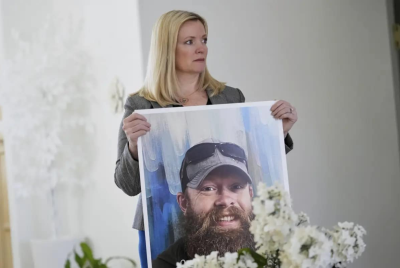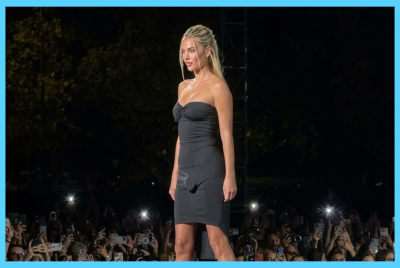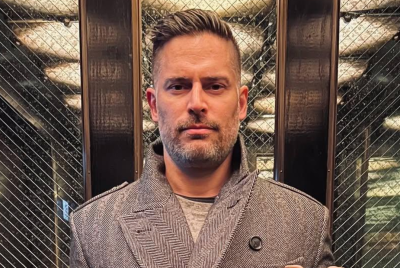
A deceased author cannot defend her own pages. In the weeks since Hayden Panettiere's death at 36, the fight over her legacy has moved from the shelves of This Is Me: A Reckoning to national television. Her estranged mother is now trying to rewrite scenes her daughter originally chose to include in the book.
Lesley Vogel has denied the memoir's most harmful claim. During her press tour, she shifted the focus to her daughter's on-again, off-again boyfriend, Brian Hickerson, blaming him for her daughter's problems. However, this shift in attention overlooks a bigger issue: what happened in Panettiere's life while her mother cared for her, long before Hickerson became involved.
What Hayden Panettiere's Mother Said About the Memoir
In the book, Panettiere wrote that at 19, while filming Heroes, she told Vogel she wanted to stop being managed and simply have a mother. She said Vogel's reply was cold and transactional: 'You owe me.' The line became the memoir's defining image of a momager who saw her daughter as an asset first.
Vogel says the events did not occur as described, describing the interaction with ABC News as brief and mostly silent. Her broader defence seems self-contradictory.
In her media appearances, Vogel says Panettiere had a happy childhood until stardom on Heroes changed things at 17, the exact point her daughter began pushing back on being managed.
Denying one quote while confirming the timeline does not clear her name. It backs up the memoir's central claim: Panettiere's decline coincided with her attempt to take control of her career away from her mother.
Posthumous Memoirs and Narrative Ownership: Who Gets the Final Word?
This issue goes beyond just one quote. It is part of a bigger debate about who should tell the story of a child star after their time in the spotlight ends. This conflict has been clear in the experiences of Britney Spears during her conservatorship and in Jennette McCurdy's memoir about her controlling mother.
Coogan Law was established specifically to address the challenging financial relationship between a managing parent and a working child, which can sometimes deteriorate into the situation described by Panettiere.
Fans and critics are currently debating whether Vogel added to the pressure or was unfairly shown as the villain, limiting the discussion to just one viewpoint.
Unanswered Questions from Hayden Panettiere's 'This Is Me: A Reckoning'
Panettiere noted that there were more serious issues besides the 'you owe me' claim. She wrote that Neutrogena ended their ten-year partnership right after she spoke out about her postpartum depression, and they didn't offer any support. She also said that her character on Nashville reflected her own struggles with addiction so closely that it felt like looking in a funhouse mirror.
Both claims come from the same industry where Vogel placed her daughter as a child. While the public debate focuses on one disputed sentence, the system that created and then discarded Panettiere remains untouched.
Vogel built Panettiere's career from childhood and managed her before anyone else in the industry got involved. Disputing one line from the memoir does not change that beginning, and it does not explain why the woman who helped Panettiere succeed early on had so little to say when the brands and shows she helped her daughter join eventually left too.