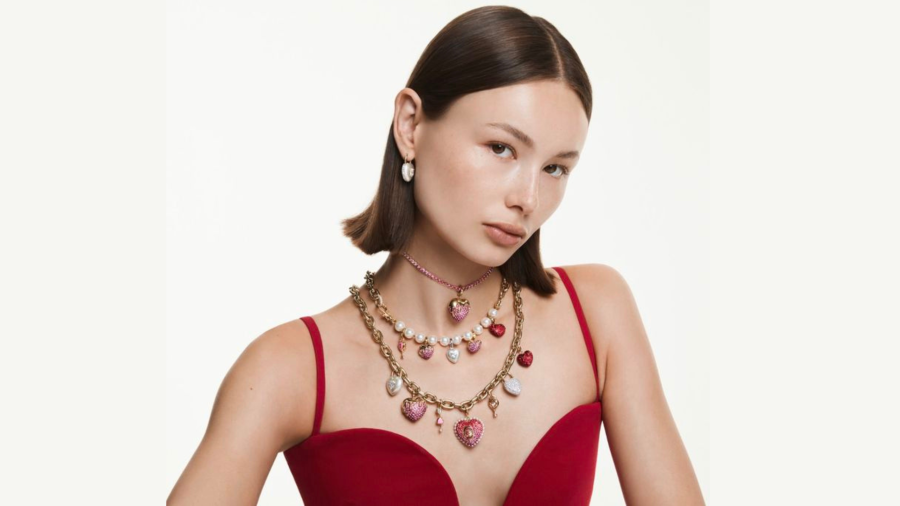
There's something about a London summer that changes how people dress. The coats come off, sleeves get rolled up, and suddenly jewellery stops being an afterthought and starts doing most of the talking. Walk through Shoreditch on a warm afternoon or sit outside a café in Covent Garden and you'll notice it straight away—stacked bangles catching the light, bold beaded necklaces over simple tank tops, shell pendants layered over linen dresses.
For years, fashion has been shaped by the idea of 'quiet luxury': subtle, logo-free pieces, neutral tones, and jewellery that blends in rather than stands out. But in 2026, that mood is shifting. Not disappearing entirely, but loosening. Jewellery has become more expressive again—less about blending in, more about saying something.
And that shift isn't random. It reflects how people are dressing, living, and even socialising again after years of restraint, minimalism and investment-led wardrobes.
What Is 'Quiet Luxury'? And Why It Defined the 2020s
To understand why summer jewellery trends feel different now, it helps to understand what came before.
'Quiet luxury' refers to a fashion aesthetic built on understatement. Instead of obvious branding or trend-led pieces, it focuses on high-quality materials, clean silhouettes, and subtle design. Think gold studs instead of chandelier earrings, delicate chains instead of layered necklaces, and muted tones rather than bold colours.
Brands like The Row helped define the look, alongside the wider rise of minimalist styling seen across luxury fashion in the early 2020s. In jewellery, this translated into fine chains, small hoops, and barely-there rings—pieces designed to be noticed only by those who already 'know'.
It made sense at the time. After a period of global uncertainty, wardrobes became more restrained. Jewellery became investment-led, chosen for longevity rather than impact.
But fashion rarely stays still for long.
Why Jewellery Trends Are Moving Beyond Quiet Luxury in 2026
In 2026, jewellery is responding to something more emotional: a return to social dressing.
Weddings, travel, festivals, office returns, dinners that run late into the evening—all of these moments have brought jewellery back into focus as a form of self-expression rather than subtle styling.
There's also a generational shift at play. Younger shoppers, particularly in London, are less interested in dressing 'quietly' and more interested in building identity through accessories. Jewellery is no longer just something valuable—it's something personal, playful, and visible.
British brands have been quick to respond. Labels like Missoma, Daisy London and high-street names such as Marks & Spencer are leaning into bolder silhouettes, colour, and layering pieces that encourage stacking rather than restraint.
A Brief History of Jewellery Trends: From Minimalism to Maximalism
Jewellery trends tend to move in cycles rather than straight lines.
In the 1980s, jewellery was bold, oversized and expressive—gold chains, statement earrings, and layered bangles dominated. The 1990s pulled back dramatically, favouring minimalism and simplicity, a shift influenced by designers like Calvin Klein and the rise of pared-back fashion.
The 2000s brought Y2K excess: charm bracelets, logo-heavy accessories, rhinestones and playful motifs. Jewellery became more decorative again, often tied to pop culture and celebrity styling.
Then came the 2010s and early 2020s—a return to minimalism, culminating in quiet luxury.
Now, in 2026, we're seeing a blend of all of these eras. The structure of minimalism remains, but the personality of earlier decades is returning through colour, texture and layering.
Beaded Necklaces: The Key Summer Jewellery Trend in 2026
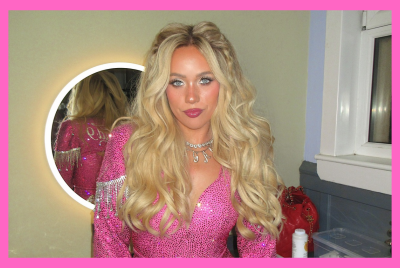
Beaded necklaces are one of the clearest signals that jewellery is becoming more expressive again.
They've moved far beyond their nostalgic roots and are now styled in surprisingly modern ways — short, sculptural strands worn with tailored shirts, or long colourful beads layered over simple summer dresses.
What makes them work in London, especially, is their versatility. They feel equally at home in a Notting Hill café or on holiday in Greece. The colour adds energy, while the texture breaks up otherwise simple outfits.
In a season where clothing is often minimal — shorts, vests, slip dresses — beaded necklaces carry a lot of visual weight.
Shell Jewellery and Coastal Influence in British Summer Fashion
Shell jewellery has returned with a softer, more refined identity than in previous years. Instead of obvious beach souvenirs, 2026 versions focus on natural textures, mother-of-pearl finishes and subtle nautical references.
This trend ties into a wider cultural idea of 'escape dressing' — clothing and accessories that evoke travel, even when you're still in the city. In London, it's especially visible during warm weekends when people dress as if they've already arrived somewhere coastal.
Shell necklaces and earrings work well because they feel both nostalgic and natural. They reference the sea without feeling overly themed, which is part of their appeal.
Stacked Bangles: Why Wrist Jewellery Is Back in Focus
Stacked bangles are one of the simplest ways to shift an outfit from minimal to intentional.
In 2026, they're often worn in mixed metals — silver stacked with gold, resin mixed with metal — reflecting a more relaxed approach to styling rules. The idea is not perfection, but personality.
In practical terms, bangles also work well for British summer dressing, where outfits often stay relatively simple due to unpredictable weather. A stack of bracelets can transform a basic white T-shirt and jeans into something more stylish without much effort.
Y2K Charms and the Return of Personal Jewellery
Charm jewellery is one of the strongest nostalgia-driven trends of the moment.
Unlike the early 2000s version, which was often maximalist and decorative, 2026's interpretation is more curated. Instead of full bracelets covered in charms, people are choosing fewer, more meaningful pieces.
There's a strong emotional element here. Charms are being used to represent memories, places travelled, or personal symbols—turning jewellery into something closer to storytelling than decoration.
This is where fashion feels most human again: slightly imperfect, deeply personal, and tied to lived experience.
Pendant Necklaces and the Shift Towards Sculptural Simplicity
Pendant necklaces sit in an interesting space between quiet luxury and expressive styling.
They're simple enough to feel timeless, but bold enough to act as a focal point. In London, they're often styled with linen sets, open shirts, or minimal dresses—allowing the pendant itself to define the outfit.
The shift here isn't about abandoning simplicity, but rethinking it. Instead of disappearing into an outfit, jewellery is being allowed to anchor it.
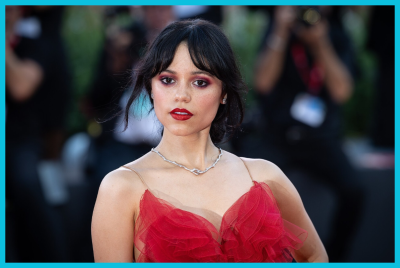
Pendant Chokers: Evening Jewellery for Modern Summer Dressing
As the day moves into the evening, jewellery naturally becomes more structured. Pendant chokers are emerging as a go-to for dinners, weddings and summer events.
They sit closer to the neckline, creating a more defined silhouette compared to longer, layered pieces. In many cases, they are worn alone, which gives them even more impact.
It's a small but noticeable shift: fewer pieces, but a stronger presence.
So, Is Quiet Luxury Really Over?
Not exactly. Quiet luxury hasn't disappeared—it has simply stopped being the only language fashion speaks.
What's emerging in 2026 is a more flexible approach to jewellery. Some days still call for minimal gold chains and simple studs. Others call for colour, layering, and pieces that feel more expressive.
The real change is not the end of quiet luxury, but the return of choice.
And in a city like London — where style is always slightly personal, slightly improvised, and shaped by weather, mood and occasion — that feels like a more natural way of dressing anyway.