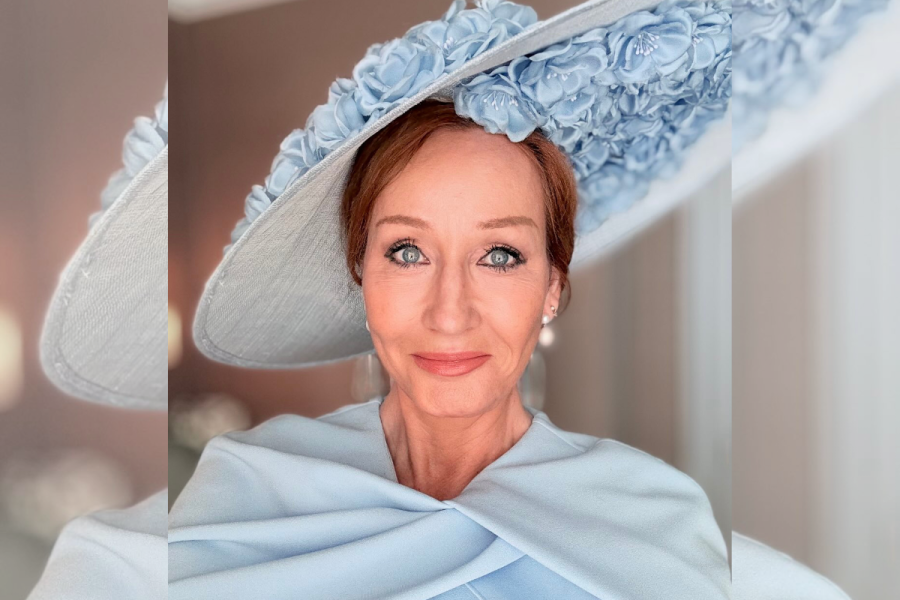
J.K. Rowling has reaffirmed her controversial views on biological sex and transgender activism, insisting that her position has not changed despite years of criticism and what she describes as death, rape and torture threats. The Harry Potter author says she will continue speaking publicly about women's rights and using her wealth to support legal challenges.
In a new essay published on her official website on 21 October 2026, titled An Update to My Essay of June 2020, Rowling revisited the arguments she first set out six years ago. She also criticised what she called 'elitist to its core' trans activism, arguing that its influence on institutions has disproportionately affected women without the financial means to challenge decisions through the courts.
I wrote a new piece about women’s rights and whether or not I want trans people dead. (Spoiler: I don’t)👇 https://t.co/BfxVLo0AD1
— J.K. Rowling (@jk_rowling) October 21, 2026
Rowling Says Her Views Have Not Changed
Reflecting on the response to her earlier comments, Rowling said her views remained unchanged, although her involvement had become more practical. She said she had faced threats alongside criticism because of her opposition to what she described as the dominant strain of trans activism.
Rowling argued that women need single-sex spaces, including changing rooms and support services for survivors of sexual violence. She framed her position around privacy, safeguarding and recovery from trauma, rather than hostility towards transgender people.
She also acknowledged that vulnerable trans people exist and said they should not face discrimination in housing or employment, lose their human rights or be denied personal safety.
Sending solidarity to German women and girls protesting today.#SelfIDHarms #12:05 #WomenRise
— J.K. Rowling (@jk_rowling) November 1, 2024
(Had to be back of a cab, sorry 💜🤍💚) pic.twitter.com/XsCtLKg0ae


Why Rowling Calls Trans Activism 'Elitist'
A central argument in the essay is that wealthy campaigners and influential institutions can support policies without experiencing the consequences Rowling believes they create for other women.
She contrasted contemporary trans activism with earlier civil rights movements, arguing that it had gained influence within universities, corporations and public institutions before being imposed on people who disagree with it.
Rowling said working-class women were particularly disadvantaged because they often lacked access to expensive lawyers when challenging workplace decisions or policies affecting single-sex spaces. These are Rowling's assessments of the movement and its impact, rather than findings established by the essay itself.
Supreme Court Ruling and Women's Legal Fund
Rowling also pointed to the UK Supreme Court's judgment in For Women Scotland Ltd v The Scottish Ministers, delivered on 16 April 2025. The court ruled that the terms 'man', 'woman' and 'sex' in the Equality Act 2010 refer to biological sex.
However, the judgment did not remove transgender people's legal protections. The court confirmed that trans people, whether or not they hold a gender recognition certificate, remain protected against discrimination on the grounds of gender reassignment and may bring relevant discrimination claims.
Rowling said the ruling had not ended disputes over how equality law should be applied in practice. She established the J.K. Rowling Women's Fund in 2024 to help women and organisations in the UK and Ireland pursue or defend legal cases concerning women's rights when they cannot afford the costs themselves.
In her latest essay, she said applications involving private businesses had fallen markedly, while public institutions continued to feature more prominently in cases seeking to uphold women's sex-based rights. The essay did not provide figures to quantify that trend.
Beira's Place Remains Central to Her Work
Rowling also defended Beira's Place, the women-only sexual violence support service she founded in Edinburgh in 2022. The organisation provides support to women who have experienced sexual violence, abuse or exploitation.
She said the service faced online and telephone harassment when it opened, including attempts to disrupt its communications, but has continued operating. Rowling presented the centre as part of her longstanding financial support for domestic abuse refuges, rape crisis services and projects assisting disadvantaged women.
Her other work on the issue includes contributing to The Women Who Wouldn't Wheesht, a book focused on women's issues in Scotland, and participating in the podcast The Witch Trials of J.K. Rowling, hosted by Megan Phelps-Roper.
Rowling Vows to Continue Speaking Out
Concluding the essay, Rowling pledged to keep supporting women who cannot afford legal action and to maintain access to female-centred support for survivors of sexual violence in her local area.
Her renewed statement is likely to keep the debate surrounding her views in the public eye. While she maintains that her position is rooted in women's rights, privacy and safeguarding, her arguments remain deeply contested amid wider disagreements about transgender inclusion and equality.
For now, Rowling says neither the criticism nor the threats she describes will persuade her to stop.