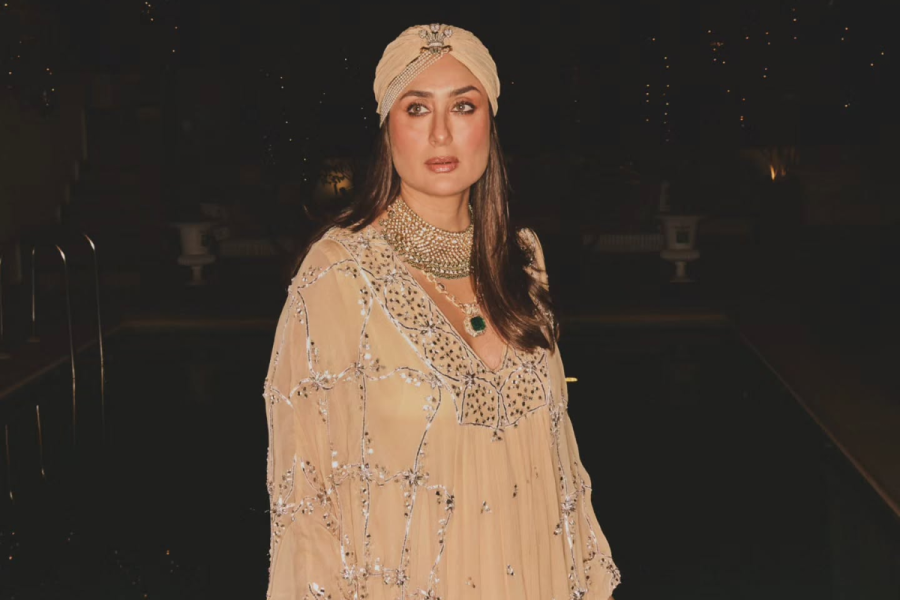
Kareena Kapoor Khan's elaborate Diwali ensemble has sparked legal controversy after the Bollywood actress wore a 30-carat emerald pendant reportedly engraved with a Quranic verse. The royal heirloom, linked to Bhopal's former rulers, has raised questions about religious sensitivity in fashion.
The 46-year-old actress and celebrity stylist Rhea Kapoor received a legal notice dated Wednesday, 11 November 2026, from Congress leader Abbas Hafeez, who objected to the presentation of the Quran-inscribed jewellery in social media photographs. Hafeez demanded the photographs' removal and a public apology, although the notice does not establish that either woman committed any legal wrongdoing.
Kareena Kapoor's 30-Carat Emerald Takes Centre Stage
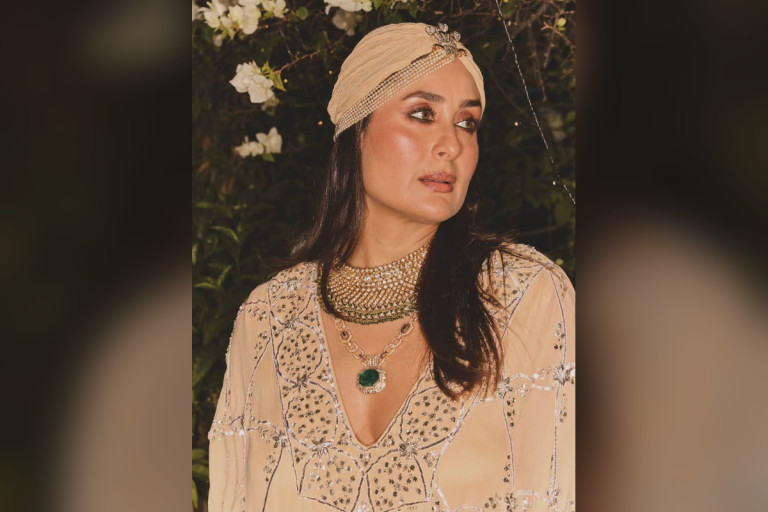
For Diwali, Kapoor wore an embellished beige chandi kaftan by designer Punit Balana, complemented by a matching turban and elaborate heirloom jewellery. Her standout accessory was a 30-carat emerald pendant described by Rhea as bearing Ayat-ul-Kursi, verse 255 of Surah Al-Baqarah in the Quran. The actress also wore a historic kalgi, a decorative turban ornament associated with Bhopal's former royal family.
Rhea described the ornament as approximately 200 years old and identified the emerald as belonging to the Begum of Bhopal's jewellery collection. The kalgi reportedly held sentimental significance, having previously been worn by Kapoor's husband, Saif Ali Khan, during their wedding celebrations. Rhea connected the jewellery to Saif's paternal grandmother, Sajida Sultan, daughter of Hamidullah Khan, Bhopal's last ruling Nawab. However, the emerald's precise age and provenance have not been independently authenticated.




Why Kareena and Rhea Received a Legal Notice
Hafeez's legal notice, dated 11 November, argued that the pendant's Quranic inscription deserved particular reverence rather than being presented primarily as a fashion accessory. His objections concerned the jewellery's presentation, including the accompanying clothing and social media photographs, rather than Kapoor's freedom to choose her attire. He maintained that displaying Ayat-ul-Kursi required sensitivity because of its religious importance.
Hafeez demanded the removal of photographs, videos and related posts featuring the pendant, alongside a public apology and assurances against future presentations he considered disrespectful. He clarified that he acted personally, not on behalf of the Congress party. His lawyer, Mohammad Zafar, indicated that further legal action, potentially involving police or courts, could follow if the demands were ignored. However, a legal notice is not a judicial ruling, and available reporting does not establish any violation of law.
Royal Jewellery's Cultural Significance
The controversy has renewed attention on the Begums of Bhopal, whose history includes generations of female leadership. Hafeez argued that the pendant's religious inscription distinguished it from ordinary inherited jewellery and warranted greater sensitivity. However, the objections have faced opposition, with the Bhopal-based Hindu Utsav Samiti publicly supporting Kapoor and opposing demands for an apology.
The contrasting reactions illustrate how historic jewellery can represent family ancestry and craftsmanship while simultaneously carrying religious significance. The dispute also raises questions about how celebrities present culturally significant accessories to audiences across different communities. As of Thursday morning, 12 November 2026, neither Kapoor nor Rhea had issued a publicly reported response in the sources reviewed, leaving the controversy centred on royal heritage, religious expression and cultural sensitivity.