
Kim Kardashian has found herself back at the centre of debate after reports confirmed she helped cover a $500,000 (£370,000) bail that led to the release of Richard Glossip, a man who spent nearly 30 years in prison on a murder conviction that has since been overturned.
The move has divided opinion sharply. For some, it reflects Kardashian's growing involvement in criminal justice reform and her willingness to use her influence and wealth in cases she believes involve serious wrongdoing. For others, it has raised uncomfortable questions about celebrity power intersecting with the justice system—particularly in a case that is still legally unresolved.
Glossip, 63, walked free from the Oklahoma County Detention Centre on Thursday, marking the first time in decades that he has been outside prison walls without restraint. Dressed casually and visibly emotional, he left holding his wife's hand after what has been described as one of the most prolonged and closely watched wrongful conviction cases in the United States.
'I'm just thankful for my wife and my attorneys. Just thankful', he said shortly after his release. 'It's overwhelming, but it's amazing at the same time.'
A Case That Has Stretched Across Three Decades
Glossip's release follows a major turning point earlier this year when the US Supreme Court vacated his conviction. The court found that prosecutors had allowed false testimony to be presented during his original 1998 trial, undermining the fairness of the proceedings.
That ruling effectively reset a case that has long been controversial in Oklahoma's justice system. While Glossip has now been granted bail, he is still facing a retrial for first-degree murder, with state authorities confirming they will no longer seek the death penalty.
Judge Natalie Mai set bail at $500,000, stating that the court could not constitutionally justify denying release based on the evidence before it.
'Based on the ample record at this point, the Court finds that it cannot deny bail to Glossip while adhering to the clear constitutional mandate', she said.
To secure his release, Glossip was required to pay 10% of the bond — $50,000 (£37,000) — and must now comply with strict conditions, including electronic monitoring, travel restrictions within Oklahoma, and a ban on contacting witnesses or using drugs and alcohol.
Kardashian's Role Triggers Mixed Reaction
News of Kardashian's financial contribution surfaced after film producer Scott Budnick, a long-time advocate for Glossip, publicly praised her involvement on social media.
He wrote that Glossip was 'released on bail that was GRACIOUSLY paid for immediately by @kimkardashian, who's been fighting for Rich's freedom for years.'
The post quickly spread online, fuelling a wave of debate that split opinion across social media platforms.
Supporters argue that Kardashian's involvement is consistent with her wider advocacy work in criminal justice reform, where she has previously supported clemency cases, legal reviews, and sentencing reform efforts in the United States.
Critics, however, have questioned whether it is appropriate for a celebrity — regardless of intention — to directly fund bail in a high-profile murder case, particularly one that is still awaiting retrial. Some have suggested it risks blurring the line between advocacy and influence.
The reaction highlights an ongoing tension in public life today: the growing role of celebrity voices in legal and political spaces that were once far removed from entertainment.
Life After Decades Behind Bars
Glossip's story is one that has unfolded over nearly 30 years, attracting attention from legal experts, activists, and public figures along the way.
He was originally convicted in connection with the 1997 murder of Oklahoma City motel owner Barry Van Treese, a case prosecutors argued involved a murder-for-hire plot. Glossip has consistently maintained his innocence throughout his imprisonment.
Over the years, concerns about the reliability of witness testimony and trial conduct grew, eventually contributing to the Supreme Court's decision to overturn his conviction in 2025 on constitutional grounds.
At several points during his incarceration, Glossip came within hours of execution, including in 2015 when a last-minute delay halted proceedings inside Oklahoma's execution facility.
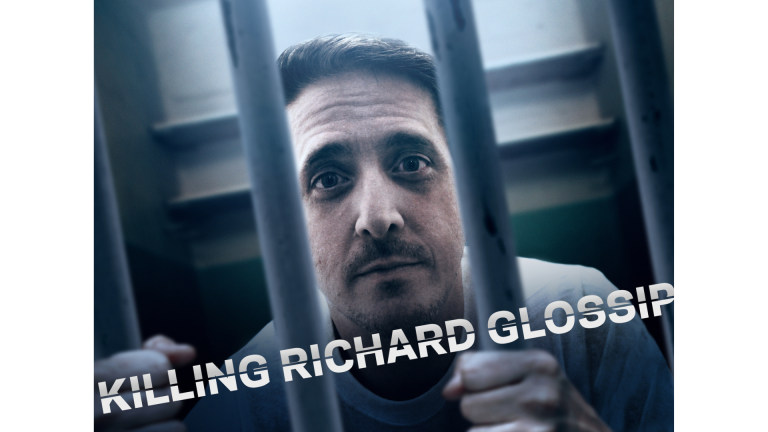
His case has drawn widespread attention beyond the courtroom, including support from actress Susan Sarandon and coverage in the 2017 documentary Killing Richard Glossip, which examined claims of prosecutorial misconduct and systemic failure.
An Emotional Moment, but Not the End of the Case
When Glossip stepped out of custody this week, the moment carried significant emotional weight. After decades of confinement, even simple gestures — walking freely, speaking publicly, holding his wife's hand — marked a profound change in his life.
'I'm just thankful', he repeated, clearly overwhelmed. 'It's amazing to finally be out.'
His legal team, however, has been careful to stress that the fight is far from over. Attorney Donald Knight described the release as an important but temporary step while preparations for a new trial continue.
'Mr. Glossip now has the chance to taste freedom while his defence team continues to pursue justice on his behalf', he said.
Another member of his legal team, David Weiss, said the case exposed serious flaws in the original prosecution.
'Today, we finally see some level of justice for Mr Glossip', he said. 'This case was heavily flawed from the outset.'
A Wider Conversation Beyond the Courtroom
Judge Natalie Mai acknowledged the seriousness and visibility of the case, emphasising the need for a fair retrial moving forward.
'The court hopes that a new trial, free of error, will provide all interested parties and the citizens of Oklahoma the closure they deserve', she wrote.
Yet the discussion surrounding the release of Glossip has extended far beyond legal arguments. Kardashian's involvement has become a focal point for broader questions about influence, fairness and how justice is shaped in the public eye.
For some, her contribution represents meaningful engagement in a case many believe deserves renewed scrutiny. For others, it is a reminder of how celebrity power can shape narratives — and potentially outcomes — in ways that feel uncomfortable in matters of life and liberty.
As Glossip begins an uncertain new chapter outside prison, the debate surrounding his case — and Kardashian's role in it — shows no sign of fading.