Luxury fashion's biggest names are putting their logos front and centre, with Saint Laurent, Loewe, Balmain and Gucci stamping their wordmarks directly onto campaign images. The striking move turns brand names into part of the fashion itself, making them almost impossible to miss.
The bold approach is especially noticeable across social media, where campaigns have only seconds to grab attention. Rather than letting the clothes speak alone, these luxury houses are making their names part of the picture, creating a visual style designed to stand out in crowded feeds.
The Brand Name Is Becoming Part of the Picture
A wordmark is simply a brand name shown in a special type of style. In fashion, it can be just as important as a logo because the name itself can become a sign of luxury and status.
Luxury fashion’s latest marketing tactic: strategically placed wordmark directly onto the campaign image
— hionfashion (@hionfashion) August 25, 2026
Saint Laurent, Loewe, Balmain and Gucci have all adopted this visual language pic.twitter.com/GhuaoXhUD6
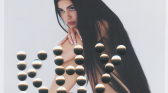
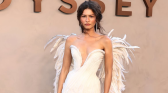
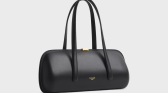
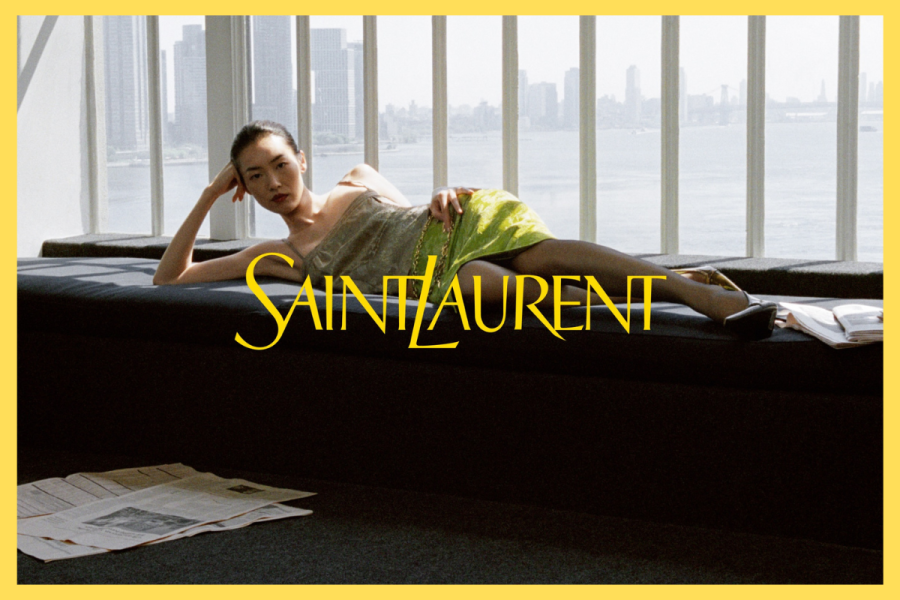
The images in the supplied post show this clearly, with Saint Laurent, Loewe, Balmain and Gucci names sitting across photographs of models, products and campaign scenes. The placement is often simple, but it changes how the whole image looks because the name becomes part of the design.
This style is not completely new, either. Design Week noted that luxury brands have long used wordmarks as part of their visual identity, while Burberry famously placed its logo over campaign photography during its 2023 rebrand.
Saint Laurent Keeps Its Name in Focus
Saint Laurent has continued to build campaigns around strong photography and a clear visual identity. Its official website currently features Spring, Summer and Fall 2026 campaigns, showing how central campaign images remain to the house's online presence.


In the images shown in the post, the Saint Laurent name appears across beach scenes, portraits and close-up shots. The wordmark does not just tell viewers which brand made the clothes; it also adds a clean, fashion-editorial feel to the photographs.
That matters on social media, where an image can be shared without the rest of a campaign's details. Putting the name directly on the photograph helps the image stay linked to Saint Laurent even when it appears outside the brand's own page.
Loewe Turns a Simple Name Into a Design Detail
Loewe is also using a strong mix of photography and branding in its current campaigns. The house's Spring Summer 2026 campaign was photographed by Talia Chetrit and marked the first campaign for the debut collection from Jack McCollough and Lazaro Hernandez.
The supplied images show the Loewe wordmark placed over very different scenes, including portraits, fashion shots and product images. The name sometimes appears in bright colours, helping it stand out against the photograph without taking away from the clothes.
Loewe has also described its current creative direction as a distinct visual language, with its Fall Winter 2026 pre-collection using bold contrasts, leather, sportswear and graphic stripes. This makes the brand name feel less like a label added at the end and more like another part of the campaign's visual style.
Balmain Shows How Logos Can Change a Campaign
Balmain's recent campaigns offer another example of how luxury brands are thinking about their image. Its Spring-Summer 2026 campaign was designed around a restrained, artistic approach, using sculptural lighting and simple settings to focus attention on the clothes.
The supplied images show the Balmain wordmark set against black-and-white portraits, fashion shots and close-up details. Against these simple backgrounds, the name stands out without needing a large graphic logo or busy design.
Balmain has since moved into a new chapter under creative director Antonin Tron, with its Fall Winter 2026 campaign using a darker, cinematic look. The shift shows how a wordmark can work across very different moods while still giving viewers an instant reminder of the fashion house behind the image.
Gucci Is Making Its Identity Hard to Miss
Gucci has also been busy building a wide range of campaigns around its current collections and products. Its official campaign page lists projects including Generation Gucci, Gucci Eyewear Spring Summer 2026 and La Famiglia, showing the number of visual stories the house is using to keep its identity in front of audiences.
The images shown in the post feature the Gucci name across portraits, street scenes, fashion looks and product-focused shots. Some of the wordmarks are large and bright, while others blend more quietly into the picture.
For a brand with such a well-known name, this approach can work as a quick visual signal. Gucci does not need to explain the image before the viewer understands where it comes from, and that instant recognition can be especially useful when campaigns are viewed on fast-moving social feeds.
Why Luxury Brands Are Turning Logos into Fashion Statements
The rise of social media has changed how fashion campaigns are seen. A carefully planned photograph can appear on Instagram, Pinterest, TikTok or an online fashion story far away from the brand's original campaign page, making brand recognition more important than ever.
A wordmark placed directly on a photograph gives viewers an instant answer to a simple question: who made this? It also helps a campaign stand out as people quickly scroll through hundreds of images online.
What makes the trend interesting is that the wordmark is no longer only used for identification. It can change the balance of a photograph, draw attention to certain details and become part of the campaign's mood.