Luxury giant LVMH is facing scrutiny over workplace appearance standards after a Le Monde investigation described a highly curated environment at the fashion group's Paris offices.
The six-part investigation, published between 19 and 24 July 2026, examined LVMH chairman and chief executive Bernard Arnault and the culture surrounding his luxury empire. Women encountered at the offices were described as generally 'young, pretty and slim', while journalists said they did not encounter an overweight employee or anyone dressed casually.
However, those observations do not establish that LVMH operates an official policy of hiring only people who are young, slim or considered attractive. Arnault responded to the wider investigation on 26 July 2026 with a post titled 'Merci', criticising aspects of the newspaper's reporting. Le Monde subsequently reported on his response.
The investigation has nevertheless reignited debate over whether the luxury industry's emphasis on image can influence workplace culture and potentially raise discrimination concerns.
LVMH Workplace Image Puts Fashion's Beauty Standards Under The Spotlight
The Paris headquarters was portrayed as a highly polished workplace where appearance and clothing appeared to play an important role.
But there is no evidence in the reporting establishing that LVMH formally excludes applicants because they are older, overweight or considered unattractive. Nor has LVMH been legally found to discriminate against job applicants based on their appearance.
Instead, the controversy stems from the workforce described in the investigation and the questions it raises about image, brand identity and recruitment.
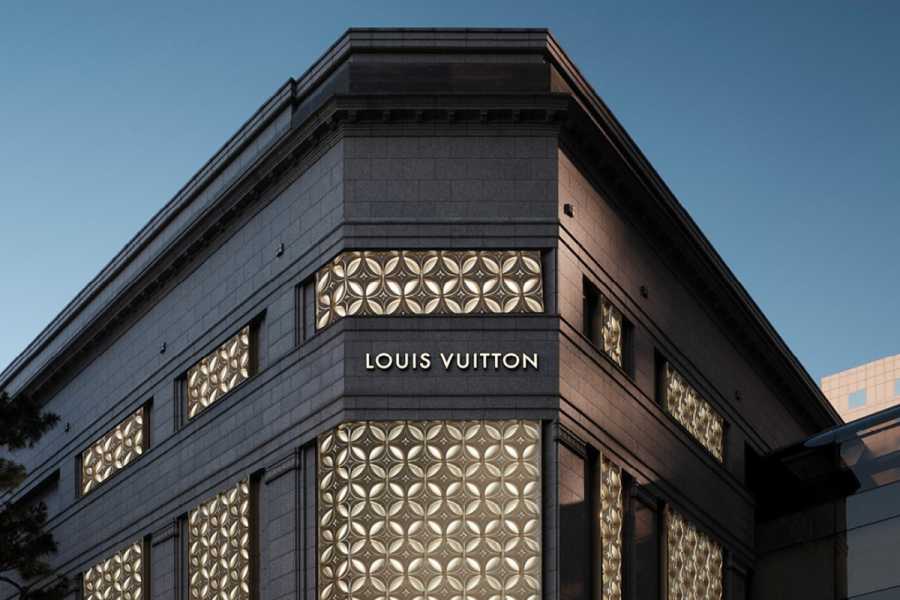
The issue is particularly sensitive in luxury fashion, where presentation is closely linked to customer experience and brand identity. LVMH owns major luxury names including Louis Vuitton, Dior and Tiffany & Co.
Yet maintaining a polished corporate appearance is not necessarily the same as selecting employees because they are considered attractive. The reporting does not establish that attractiveness, weight or age are formal LVMH hiring criteria.
Could A Luxury Brand's 'Look' Cross Into Discrimination?
The controversy raises a broader question for employers: when can workplace appearance standards become a potential discrimination issue?
In Australia, employers can impose reasonable standards covering clothing and grooming where there is a legitimate workplace reason. But appearance rules can become legally sensitive when they disadvantage people because of protected characteristics such as age, sex, race, religion, disability or gender identity.
Requiring employees to wear a particular uniform or maintain a professional appearance is not automatically the same as choosing applicants because they are considered attractive, slim or young.
Weight and attractiveness are not, by themselves, standalone protected characteristics under Australia's federal workplace discrimination framework. However, appearance requirements could raise concerns if they disadvantage people because of a protected characteristic.
Where appearance is used as a hiring factor without a clear connection to the role, questions can arise over whether candidates are being assessed on characteristics unrelated to their ability to perform the job.
For luxury brands, where image is an important part of the business, that boundary can be particularly sensitive.
In LVMH's case, the available reporting does not establish discriminatory hiring practices.
Instead, it has reopened an uncomfortable question for the fashion industry: how much should appearance matter at work, and when can maintaining a carefully curated brand image risk becoming something more?