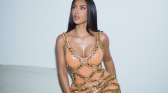
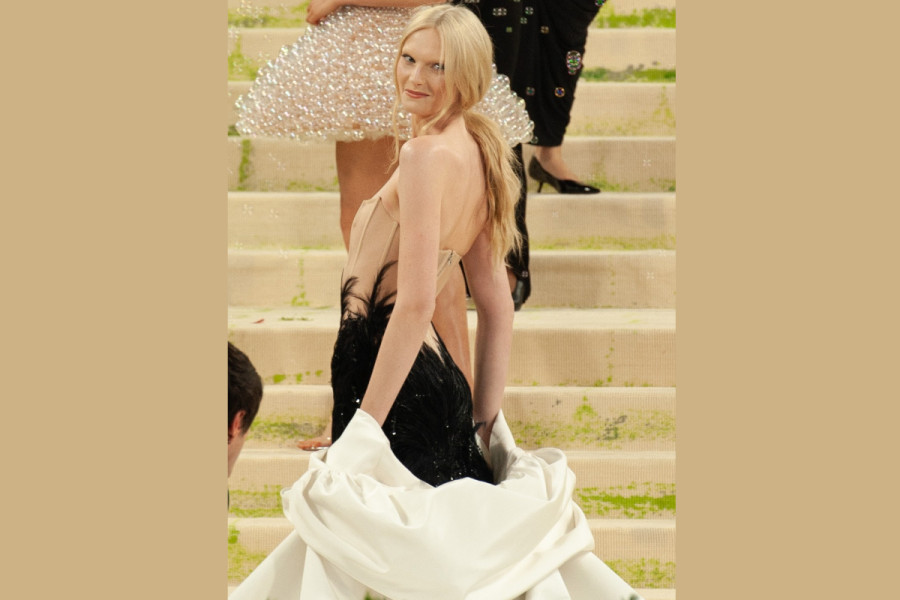
Mango is facing renewed scrutiny over its portrayal of body image after its latest holiday campaign featuring model Alex Consani prompted complaints to the UK's Advertising Standards Authority (ASA). The controversy has reignited comparisons with the 1990s heroin chic aesthetic, raising questions about whether fashion advertising may be revisiting an era associated with extreme thinness and controversial beauty standards.
Titled Last Night – Premium Party Collection, the campaign launched on 3 November 2026 and stars 23-year-old Consani showcasing several looks from the Spanish fashion retailer. Created by British artist and director Nadia Lee Cohen, the campaign film takes place in a vintage-style hotel, following the model as she moves between rooms and encounters different guests. Its styling includes a sparkling red mini dress, a leopard-print coat and a black mini dress, alongside appearances from Dree Hemingway, Carine Roitfeld, Harry Hamlin and Priscilla Delgado.
Mango Campaign Draws Heroin Chic Comparisons
However, the campaign has attracted criticism beyond its fashion styling. The ASA has confirmed receiving a number of complaints from viewers who believe Consani appears 'unhealthily thin'. The regulator is assessing the complaints to determine whether there are grounds for further action, but has not announced a formal investigation or issued a ruling against the advertisement.
The criticism has brought renewed attention to heroin chic, a controversial fashion aesthetic associated with the 1990s. The look became prominent in fashion photography and advertising during the decade, with extremely slender models, gaunt styling, and deliberately dishevelled imagery forming part of its visual identity.
The aesthetic has since attracted criticism over concerns about its influence on perceptions of women's bodies and the promotion of unrealistic beauty standards. Comparisons with Mango's latest campaign have emerged on social media, where some viewers have questioned whether fashion advertising is revisiting an era many believed the industry had moved beyond.
The discussion has also raised questions about the responsibility of fashion brands when presenting models in promotional imagery, particularly when campaigns reach younger audiences. However, the complaints concern how Consani is portrayed in the advertisement and do not establish anything about her personal health.




Mango's Previous Advertising Controversy
The latest complaints have also revived scrutiny of Mango's previous dispute with the ASA over the portrayal of models in its advertising.
On 20 March 2024, the regulator upheld a complaint concerning a product listing on Mango's app featuring a model wearing a short-sleeved sweater. The image had been seen on 29 December 2023 and was challenged on the grounds that the model appeared unhealthily thin.
In its assessment, the ASA noted that the model's upper body and hips appeared particularly narrow, with visible gaps between her arms and body. It also highlighted her thin arms and prominent elbow joints, concluding that the overall presentation created an impression of unhealthy thinness.
The regulator ruled that the advertisement was irresponsible and breached CAP Code rule 1.3, which covers responsible advertising. It also found a breach of rule 1.7 on unreasonable delay because Mango had failed to respond to its enquiries about the complaint.
The ASA instructed the retailer not to use the advertisement in its existing form and referred the matter to its Compliance team. The decision concerned the specific product image rather than imposing a general ban on Mango using slender models.
Fashion's Continuing Body Image Debate
The latest controversy places Mango back under scrutiny as the fashion industry continues to face questions about body diversity and representation in advertising. The ASA's assessment of the new complaints will determine whether the campaign raises concerns under advertising standards.
Its guidance makes clear that assessments focus on how models are presented in advertisements and the impression created for audiences, rather than making medical judgements about the models themselves.