Maybelline's new tagline has accomplished what 35 years of mascara rivalry never could: it has left fans genuinely baffled. The update, 'Maybe. We're born with it. Maybe. It's Maybelline.', triggered an immediate wave of online mockery, with one user neatly summarising the confusion: 'Well, now it doesn't actually make any sense.'
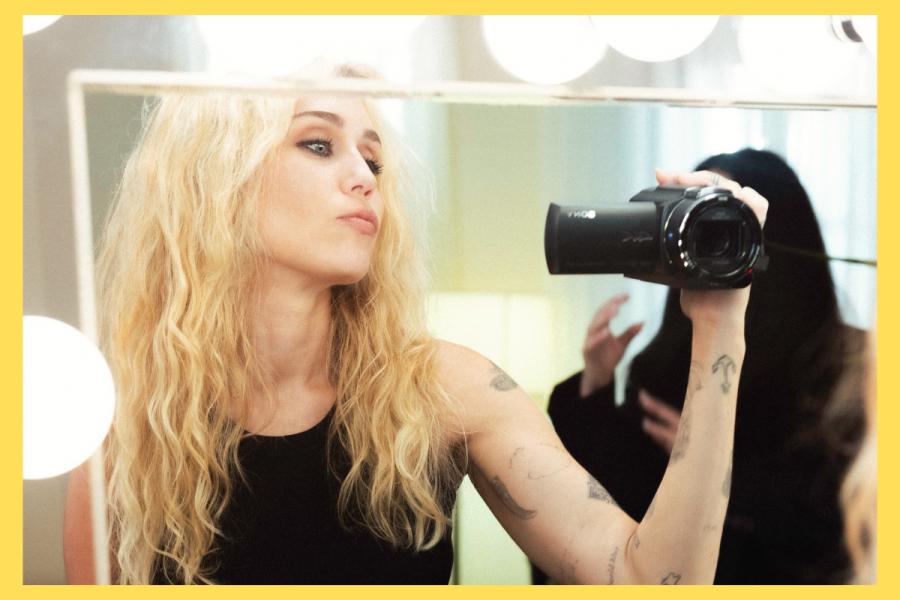
The shake-up comes alongside the appointment of Miley Cyrus as global brand ambassador for its new campaign, 'The Beauty of Infinite Possibility.' Cyrus has built her career on unapologetic authenticity, which makes the corporate stiffness of the new wording feel even more jarring. The clash between a rock-star ambassador and an over-calculated slogan has beauty fans scratching their heads.
Why Did Maybelline Change Its Iconic Tagline?
Maybelline set out to modernise a 35-year-old line built around one imagined woman. The iconic tagline was 'Maybe she's born with it, maybe it's Maybelline.' Swapping 'she's' for 'we're' widens the idea of beauty to everyone, while the full stops recast 'maybe' from a playful guess into a confident claim of possibility. The strategy is sound, but the execution wobbles.
The original was one sentence with a built-in seesaw: maybe this, maybe that. The doubt and the answer arrived in the same breath. Chop it into fragments, and that logic collapses. 'Maybe.' now sits alone as a question with nothing to hang on, and 'We're born with it.' reads as a flat statement rather than a possibility. No wonder one user pointed out that 'Maybe.' is not a complete sentence.


Does the New Line Work as a Jingle?
In sonic branding terms, the old line was a textbook earworm, bouncing along in a single rhythmic phrase that generations can still recite from memory. Read aloud, the new version stops and starts, trading musicality for message. On the page, the rhythm is gone entirely.
Slogans like this live in the ear, not on the eye. A great jingle works because it asks nothing of the listener: it arrives, completes its thought, and leaves you humming. Interrupting that flow turns a classic tune into a corporate statement of intent—and statements of intent are far harder to love.
How Beauty Fans Are Reacting
Fans have given the slogan change a resounding 'not yet', with plenty mourning the old jingle like a favourite song remixed beyond recognition. Punctuation took the brunt of the backlash, with users calling the full stops stilted and 'boomer-like', and one popular reply joking that a boomer had taken over the brand account. The pronoun change drew far less fire, suggesting the inclusivity message isn't the problem; the delivery is.
Did a boomer take over… and start. Typing like a boomer…..
— Mrs. ₿onnie Freeman (@FTL_Bonnie) November 10, 2026
Well now it doesn't actually make any sense, good job guys
— Still Julie (@hydr0chaeris) November 10, 2026
A minority defended the update, with one user insisting critics 'just find any reason to be mad'. Some replies quickly slid into culture-war jabs about it being 'woke', proving once again that people will argue about anything on the internet except the actual product.
its more inclusive yall just find any reason to be mad
— thankful sucking queen 🦃 (@nintendoxcx) November 10, 2026
Inclusivity was never the issue here: turning a warm, nostalgic promise into stiff corporate copy was. Heritage slogans built over 35 years rarely survive committee-driven punctuation edits. Unless Maybelline relaxes the phrasing, even Miley Cyrus can only carry an over-engineered tagline so far.