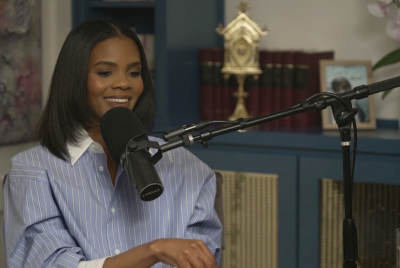
Instagram slapped an AI warning on a photo from Halsey's makeup brand, and now there is a real fight over who gets to decide what counts as real. About-face beauty insists the shot came from an ordinary iPhone and a quick touch-up by hand, yet Meta's system flagged it as possibly AI-generated anyway, and the brand is not the only one asking why.
There are two sides to this. Platforms say aggressive AI labelling is needed to fight deepfakes and misinformation. Brands and independent creators say the same blunt system is punishing normal human editing, and that a false accusation of fakery can genuinely hurt a business.
Why Instagram's AI Label Harms Cosmetics Brands, Independent Creators
When a follower asked why the post had been tagged, About-face beauty's social manager replied directly: 'Zero AI used!' on the post or anywhere else on the page, with the photo coming straight off an iPhone before a quick edit in a standard app.
The comment has racked up a handful of likes, with fans piling on in agreement that the label made no sense for a simple, unfiltered snapshot. For creators hoping to challenge a similar tag, Meta currently offers no direct appeal button, so a public callout like this one is often the only real option for pushing back and getting anyone at the company to notice.

For a cosmetics label, an AI tag can look a lot like deceptive marketing. Customers already dealing with filter fatigue and wary of misleading beauty ads want true pigment payoff and honest colour, not a computer's guess at what a lipstick should look like.
About-face beauty has built its whole identity on hands-on human artistry, so a label implying the image might be fake works directly against the trust the brand needs to sell product.
How iPhone Cameras and Photo Apps Trigger Instagram's AI Warning
The problem starts before anyone even opens an editing app. Modern iPhones already lean on computational photography, using machine learning to adjust lighting, sharpen detail and blend exposures the second a photo is taken.
Meta's system relies on C2PA content credentials, metadata tags meant to flag AI involvement, but those same tags get triggered by ordinary retouching tools like Lightroom, VSCO or even a phone's built-in gallery editor.
So, a basic retouching pass in a free photo app, the kind millions of people use daily to brighten a selfie, is apparently enough to trip a warning meant for fully fabricated images.
Will Instagram Fix Its AI Labelling System for Creators?
Call it what it is: a corporate safeguard, not an accidental glitch. Meta faces pressure to monitor AI-generated content as regulations loom. By taking a broad approach, the platform ensures it stays covered, even if it mistakenly flags genuine human work. Ultimately, this policy protects Meta more than it benefits anyone scrolling through their feed.
Until detection technology improves, brands like About-face beauty will have to manage public relations for something they haven't done wrong. If basic phone photography continues to be labelled as synthetic deception, human creativity will not only struggle to gain attention online but will also have to prove its authenticity.