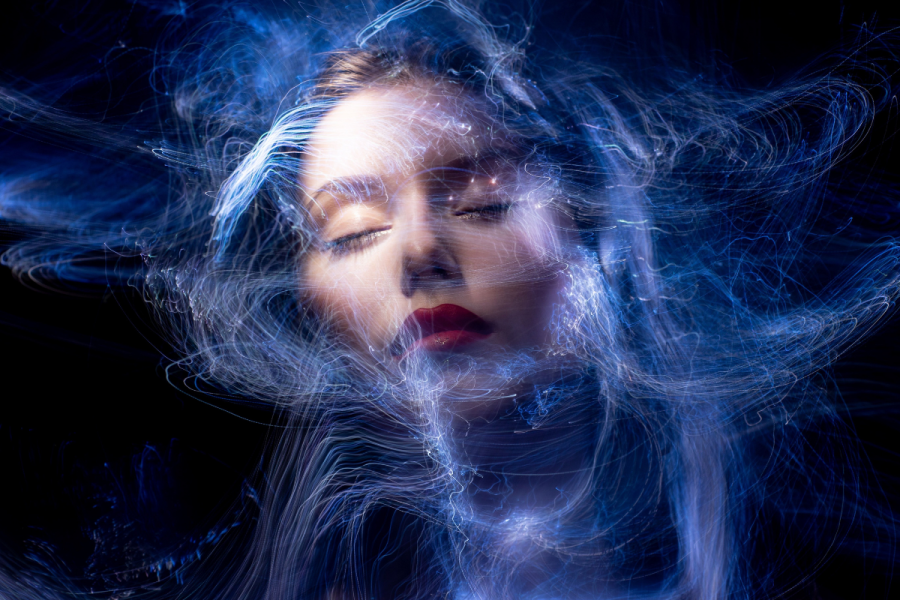
Plastic surgeons in the US and UK say patients are arriving at consultations with AI-generated versions of their own faces, complete with poreless skin, refined noses, lifted cheekbones and near-perfect symmetry.
Some are also bringing chatbot-written treatment plans and asking doctors to turn the digital image into reality. Surgeons warn that several of those changes may be physically impossible because artificial intelligence edits pixels without accounting for bone, cartilage, skin thickness or healing.
The trend is becoming a routine part of cosmetic appointments in 2026 as generative AI tools make it easy to produce a polished 'after' image before a patient has been medically assessed. New York plastic surgeon Melissa Doft said patients now present an altered picture and tell her: 'This. Make me look like this.' The image may resemble the patient, but doctors say it can quietly replace their individual features with a standardised beauty template.
AI Face Enters the Consultation Room
AI-generated reference pictures can help patients communicate what they like, particularly when they struggle to describe a preferred nose, jawline or facial profile. The problem begins when an inspiration image is treated as a guaranteed surgical preview rather than a conversation starter. Some patients even arrive with procedures and aftercare instructions selected by a chatbot, despite the system never examining their face in person.
Facial plastic surgeon Steven Pearlman said AI images do not account for skin thickness, facial skeletons or the shape and strength of cartilage during rhinoplasty. 'AI does not understand what can and cannot realistically be accomplished in facial plastic surgery,' he said. Pearlman instead uses computer imaging only after examining a patient and assessing which changes their anatomy could support.
Pixels Do Not Follow Human Anatomy
Perfect symmetry is one of the clearest examples of the gap between an AI image and a surgical result. AI can level uneven eyes or reshape a jaw in seconds, but the position of the eye sockets is set in bone and cannot safely be moved simply to match a generated photograph.
Surgeons also cannot predict exactly how skin will contract, cartilage will settle or scar tissue will form after a procedure.
Nora Nugent, president of the British Association of Aesthetic Plastic Surgeons, said patients must understand that there is natural variation in healing and ageing. 'It's not limitless what I can do in surgery. Neither of us control everything,' she said. Her warning reflects a wider concern that patients can become emotionally attached to an image before learning whether it is safe or achievable.
A New Beauty Standard Takes Shape
The so-called 'AI face' commonly features wide-set eyes, a small straight nose, full lips, high cheekbones and unusually smooth skin. Doctors say repeated versions of that template can erase inherited traits, including a family nose or distinctive eye shape, while making different people appear increasingly similar. The result is not simply a new reference photo but a machine-generated standard for what a face is supposedly meant to look like.
Demand for facial procedures is already rising among younger patients. The American Academy of Facial Plastic and Reconstructive Surgery said 57 per cent of surgeons reported an increase in patients under 30 requesting cosmetic procedures or injectables in its 2025 survey. The organisation also projected a 19 per cent rise in facial procedures, bringing the estimated US total to 1.6 million.
Doctors are not asking patients to abandon visual references altogether. They recommend bringing older photographs of themselves, unedited pictures of real people or examples from a surgeon's verified portfolio. Those images can still guide a consultation without presenting digital perfection as a promised result, allowing the final plan to be based on the patient's real face rather than one invented by software.