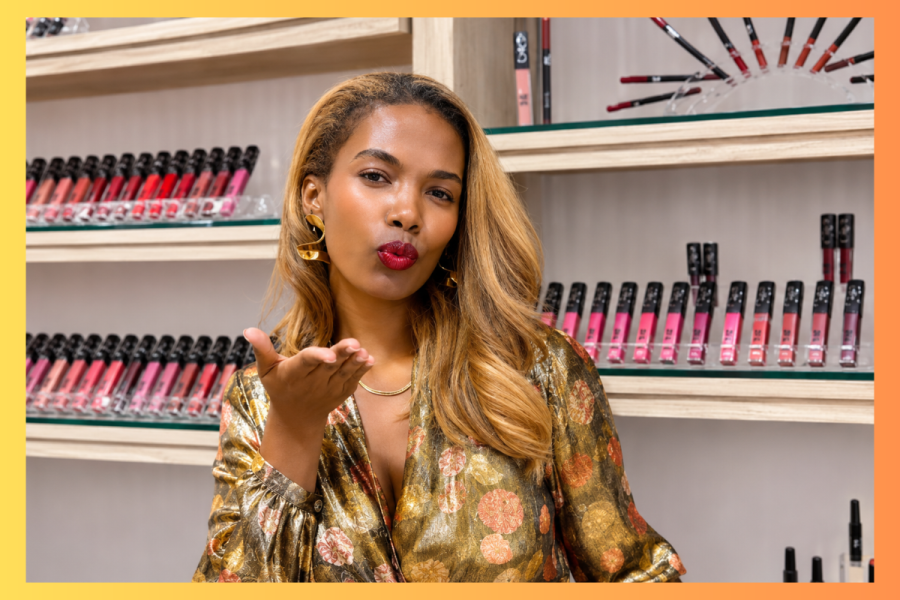
Melissa Butler, the founder and CEO of Black-owned beauty brand The Lip Bar, is pushing back after plans to appeal to white customers sparked online criticism. In Threads posts on 28 October 2026, Butler said 'it is not Anti-Black to sell products to non-Black people', rejecting suggestions that her company was abandoning Black women.
The debate erupted after a clip of The Lip Bar's vice president of marketing, Yasmine H. Parrish, circulated on TikTok and Threads. In the video, Parrish discussed reaching new customers at US retailer Target beyond the brand's established audience of millennial Black women. Some longtime shoppers questioned whether the shift meant the company was moving away from the community that helped build it.
The backlash has also revived questions about The Lip Bar's relationship with Target, which scaled back diversity initiatives in 2025 and became the subject of boycott calls. Butler says the retailer remains her company's largest retail partner. She has argued that leaving it would put the business at financial risk.
Why Is The Lip Bar Marketing to White Women?
At an advertising industry panel on 6 October 2026, Parrish, a former Fenty Beauty executive, explained that white millennial women should be able to recognise The Lip Bar as a brand for them, too. 'Black millennial women will always be welcome and celebrated and uplifted at The Lip Bar,' she said. Her aim, she explained, was to welcome new shoppers without alienating the existing customer base.
The clip prompted complaints from some shoppers who felt the brand was overlooking the women who had supported it for years. Parrish had also talked about ensuring newcomers saw themselves represented in its campaigns and products. Butler later acknowledged that her marketing executive 'didn't use perfect words', but disputed the suggestion that the brand had stopped prioritising Black women.


Target Boycott Puts the Brand Under Pressure
Target announced in January 2025 that it would conclude several diversity, equity and inclusion initiatives, prompting boycott calls from activists and customers. Although a prominent boycott organiser, the Rev. Jamal Bryant, ended his campaign in March 2026, other activists maintained their calls to avoid the retailer.
By October 2025, Butler said The Lip Bar's sales through Target were down approximately 30 to 40 per cent, although the company was projecting overall growth that year. The brand's long-standing retail agreement has left it with limited room to walk away, according to Butler.
In her 28 October posts, the founder made clear she was not asking shoppers to abandon the boycott. 'Are we asking you to shop there?! NO!' she wrote. Butler said the company had substantially increased marketing for its website, Walmart and Amazon, while efforts to secure another major retail partner had not produced an alternative big enough to replace Target.
Butler Defends The Lip Bar's Black Roots
Butler founded The Lip Bar in 2012 after becoming frustrated by the makeup industry's limited options for women with deeper complexions. She started mixing vegan lipsticks in her kitchen, later appeared on Shark Tank and expanded into national retail distribution despite leaving the programme without a deal. The Detroit-based brand now offers lip, eye and complexion makeup, and its website lists more than 2,000 retail locations.
Responding to the backlash, Butler pointed to The Lip Bar's historically Black college collections, community events and $40,000 (approximately £29,800) given to Black-owned businesses. 'The Lip Bar has always centred Black women,' she wrote, insisting that commitment was not changing. She argued that expanding the brand's audience should not be treated as evidence that its original customers are no longer valued.
In another post, Butler said she had built the company 'brick by brick', reminding critics that its future affects a real business rather than an online trend. She said people who no longer wished to buy its products could choose to support other Black-owned companies. Her question to those criticising the expansion was simple: 'Why do our brands have a ceiling?'