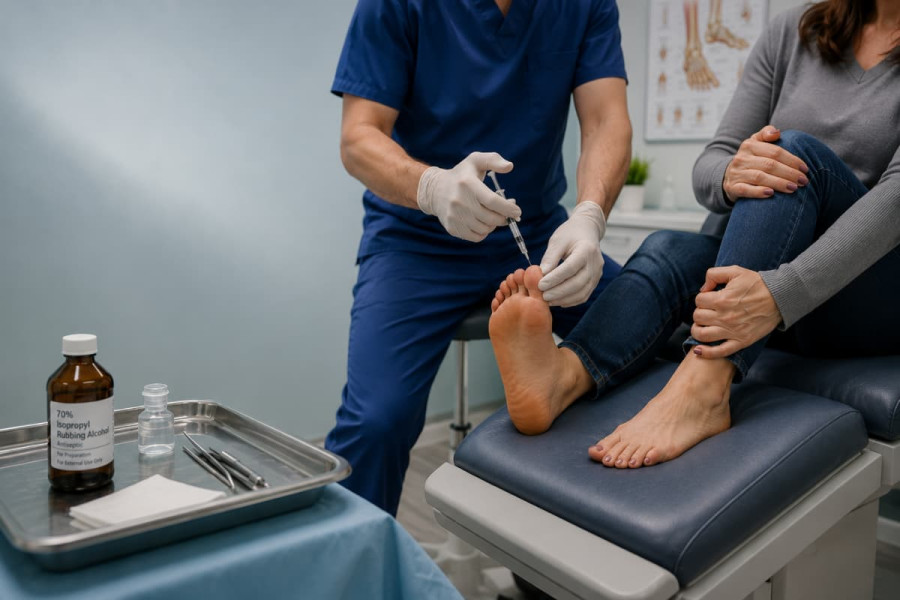
A seemingly simple trip to the clinic for ingrown toenail removal has left one woman with life-changing injuries after a doctor allegedly made a catastrophic error. Instead of administering a local anaesthetic, the podiatrist injected rubbing alcohol directly into her toes. The patient endured agonising pain throughout the procedure while the doctor, keen to finish his shift, reportedly urged her to endure it. This shocking case has now resulted in a major lawsuit and raised serious questions about standards of care in busy medical practices.
What makes this incident particularly disturbing is how quickly a routine appointment spiralled into a medical nightmare. Sarah Blackman visited a Kaiser Permanente clinic in Hillsboro, Oregon, expecting professional treatment for her painful ingrown toenails. She had no reason to anticipate anything out of the ordinary. Yet, according to the legal complaint, the doctor was in such a hurry to clock off that basic safety protocols appear to have been overlooked, leading to one of the most alarming mix-ups imaginable in a clinical setting.
The consequences for Blackman have been profound and ongoing. What should have been a minor, same-day procedure has instead caused severe chemical damage, extensive medical treatment, and lasting physical impairment. Her experience serves as a stark reminder that even common outpatient treatments carry risks when proper precautions are not followed.
What Happened During the Procedure
Sarah Blackman attended a Kaiser Permanente clinic in Hillsboro, Oregon, for a straightforward bilateral toenail removal. She expected the standard local anaesthetic to numb the area before the podiatrist addressed her ingrown toenails. Instead, according to the lawsuit, the doctor injected 70 percent isopropyl rubbing alcohol directly into her toes.
The doctor was reportedly eager to finish his shift and leave work. When Blackman began screaming and crying from the intense pain, she begged him to stop the treatment on the second toe. Rather than pausing, the physician allegedly encouraged her to push through, telling her to just get it over with because he was in a hurry.
This shocking error meant the procedure continued without any numbing effect. Rubbing alcohol, which is never meant to be injected into tissue, caused immediate and severe damage as the doctor proceeded to remove the toenails.
The Devastating Aftermath for the Patient
In the days following the appointment, Blackman experienced worsening symptoms. Her feet swelled dramatically, and her toes began to change colour as tissue damage set in. She eventually sought emergency care, where doctors initially treated her for what appeared to be an infection and tissue death, unaware of the true cause.

It took weeks before Kaiser personnel contacted her by phone to reveal that she had received rubbing alcohol instead of the intended anaesthetic. The lawsuit notes that this injection acted as a powerful cellular toxin, leading to chemical burns and necrosis in her toes.
Blackman has since endured multiple rounds of painful treatment, including hospital stays, wound care, debridement, and hyperbaric oxygen therapy. The long-term effects have been life-altering. She now deals with permanent nerve damage, chronic pain, deformity of the toes, limited mobility, and difficulty walking. Simple daily activities have become challenging, affecting her overall quality of life.
Details of the Lawsuit
Blackman has filed a substantial claim for $13 million against Kaiser Permanente. The legal complaint describes the incident as a never event—a serious medical mistake that should never occur under proper standards of care. It accuses the doctor of proceeding despite the patients clear distress and highlights failures in both the procedure and the subsequent handling of the error.
According to court documents, medical notes initially referred to the injection only vaguely as an unfortunate event. Blackman reportedly never received a promised written explanation, which complicated her ongoing treatment and recovery.
This case raises important questions about oversight in busy clinical environments. When medical professionals feel pressured to rush, the risk to patients increases significantly. While investigations continue, the story serves as a sobering reminder of how quickly things can go wrong even in routine procedures.
Why This Case Matters for Patient Safety
Stories like this understandably make people nervous about seeking medical care. Most healthcare workers provide excellent service every day, but incidents of this nature underscore the need for stronger checks and balances. Proper labelling of medications, double-checking injections, and ensuring staff are not overly rushed are basic safeguards that protect everyone.
For Blackman, the road to recovery remains difficult. What should have been a minor outpatient fix has resulted in months of pain, extensive medical intervention, and lasting physical changes. Her experience highlights the human cost when things go wrong in clinical settings.
As the lawsuit progresses, it may bring more details to light about exactly how the mix-up occurred and what steps could prevent similar tragedies in future. In the meantime, patients are reminded to advocate strongly for themselves, ask questions during procedures, and seek prompt follow-up care if something feels wrong.
Medical negligence cases like this often prompt wider discussions about staffing levels, workplace pressures, and accountability in healthcare. While no amount of money can fully undo the harm caused, the legal action aims to secure compensation for Blackmans suffering and push for improvements that could protect other patients.
If you or someone you know has experienced a similar medical error, consulting with a qualified legal professional and documenting everything carefully can make a significant difference. This unfortunate incident serves as a powerful example of why attention to detail in medicine is absolutely critical.