Melania Trump's Amazon-backed documentary was meant to offer a polished, intimate look at the First Lady. Instead, it has become a much bigger story about money, political optics and the uncomfortable overlap between entertainment, Big Tech and Washington power.
The documentary, produced by Amazon MGM Studios, reportedly cost around $75 million (around £56 million) when production and promotion were combined. Yet its box office return was far lower, with reports placing ticket sales at about $16 million to $16.6 million (£12 million to £12.4 million) worldwide. Melania Trump, meanwhile, reportedly earned $10.7 million (£8 million) from the project, according to financial disclosure details cited in recent reports.
On paper, that already looks like a commercial disappointment. But the real controversy is no longer simply whether the film flopped. The bigger question is why Amazon made such a costly bet — and why Jeff Bezos has found himself having to publicly deny that the deal was about political influence.
A Costly Documentary With Political Heat
The Melania Trump documentary arrived with all the ingredients of a high-profile media event: a famous subject, a major streaming studio and a political backdrop that guaranteed attention. The film followed the First Lady in the period leading up to Donald Trump's second inauguration, with Amazon MGM reportedly paying $40 million (£30 million) for the project and spending about $35 million (£26 million) more on marketing.
However, its theatrical performance did not match the scale of the investment. Reports say the documentary earned around $16 million to $16.6 million globally, leaving critics and political observers questioning the business logic behind the deal.
That gap between spending and box office return has helped turn the Amazon documentary from an entertainment story into a political one.
Jeff Bezos Pushes Back
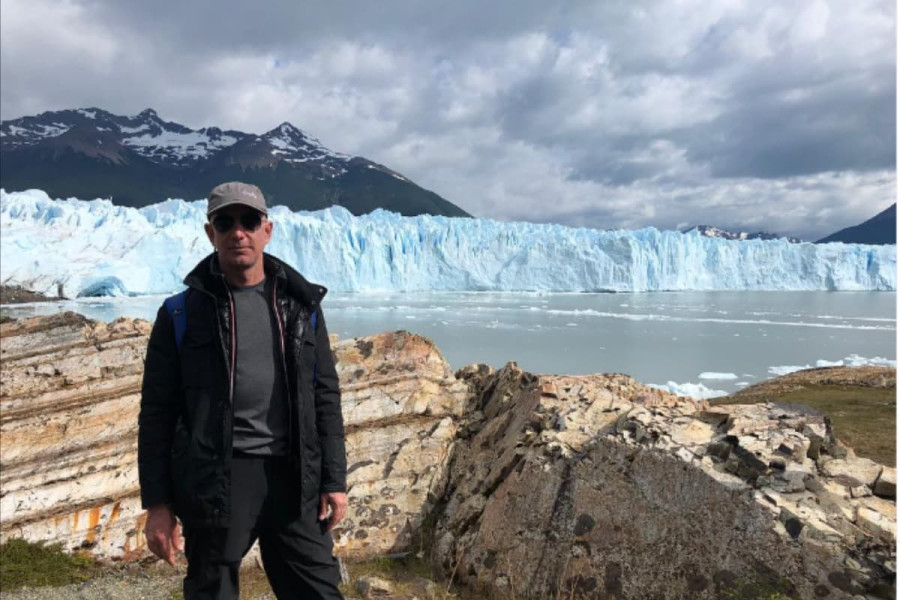
Jeff Bezos, Amazon's founder and executive chairman, has denied personal involvement in the acquisition of the Melania Trump documentary. In comments reported by The Guardian, Bezos called the idea that he engineered the deal a 'falsehood' and said he 'had nothing to do with that.' He also rejected the claim that the purchase was designed to curry favour with the Trump administration, while acknowledging that he could understand why people might ask questions.
That last point is important. Bezos is not only one of the world's most recognisable billionaires; he is also closely associated with Amazon, a company with major business interests that can be affected by federal policy, regulation and government contracts. Because of that, any high-value deal involving the family of a sitting president is likely to attract scrutiny, regardless of whether wrongdoing is proven.
Amazon has also denied bribery allegations, saying the film had 'cultural and historical relevance,' according to The Guardian.
Why Lawmakers Are Asking Questions
The controversy intensified after Democratic lawmakers, including Representative Hank Johnson and Senator Elizabeth Warren, launched an inquiry into whether Amazon's payments connected to the documentary raised concerns about a possible 'pay-to-play' arrangement. Their March 2026 statement questioned Amazon's $40 million payment for the film and $35 million marketing budget, describing the total as unusually large for a documentary.
The lawmakers did not prove bribery in that statement. Rather, they argued that the size of the deal, combined with Amazon's business interests before the federal government, created questions that needed answers. That distinction matters. The controversy is about scrutiny, transparency and public trust — not a confirmed legal finding.
For Melania Trump, the documentary also arrives at a time when her personal brand has become increasingly commercialised. Recent reports say her income included earnings from the documentary, her memoir and digital collectibles, including NFTs.
More Than a Box Office Flop
Calling the Melania Trump documentary a box office flop may be accurate based on the reported numbers, but it does not fully capture the story. The film's commercial performance is only one part of the issue. The bigger debate is about how major corporations navigate political power, especially when entertainment deals involve people close to the White House.
For Amazon, the problem is not just that the numbers look difficult to justify. It is that the optics look messy. A $75 million documentary tied to the First Lady, a reported $10.7 million payday, underwhelming ticket sales and questions aimed at Jeff Bezos have created a narrative that is hard to shake.
Bezos has denied the influence-play claim. Amazon has denied bribery allegations. No public evidence cited in the available reports confirms that the documentary deal was made to influence the Trump administration. But in politics, perception can be almost as powerful as proof.
That is why this story has moved beyond cinema takings. The Melania Trump documentary may not have delivered a blockbuster box office result, but it has delivered something else: a fresh debate over Big Tech, political proximity and the price of access in modern America.