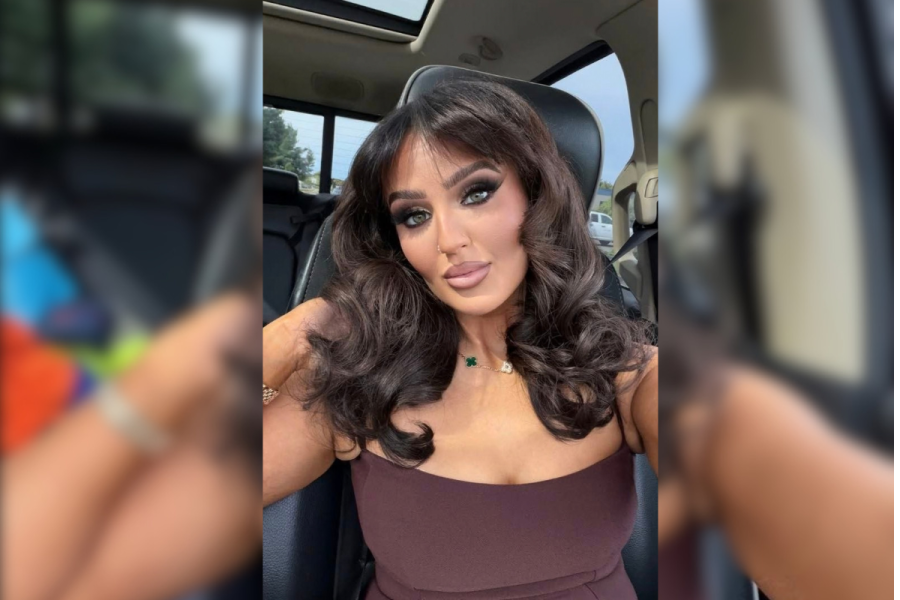
Mikayla Nogueira remains one of the beauty industry's most commercially powerful influencers. This is despite years of online criticism over sponsored content, product recommendations and accusations surrounding the way she presents herself online.
The latest debate centres on her partnership with Sephora and the launch of her beauty brand, POV Beauty. Reddit users on BeautyGuruChatter have questioned why major retailers continue to give Nogueira prominent promotional opportunities despite her polarising reputation.
An Enormous Following
The criticism intensified after Sephora launched POV Beauty in its stores and online in September. Nogueira, who co-founded the skincare and makeup-prep brand, was also selected to host a livestream for Sephora's new TikTok Shop. Modern Retail reported that the retailer used Nogueira as a central part of its TikTok Shop launch, with the platform initially featuring POV Beauty and Sephora Collection products.
The commercial reasoning is straightforward: Nogueira still has enormous reach.
People reported earlier this year that she had amassed around 20 million followers across social platforms. Her audience gives brands access to a large pool of potential consumers, even when the influencer herself attracts significant criticism.
That creates the central paradox of Nogueira's career. The same controversy that damages consumer trust can also generate the attention that makes her valuable to advertisers.
Comment
by u/Salina_EsTitties from discussion
in BeautyGuruChatter
'Mascara Gate' and Other Controversies
In 2023, Nogueira became embroiled in the so-called 'mascara gate' controversy after viewers questioned whether her lashes had been enhanced in a sponsored L'Oréal Telescopic Lift mascara video. The post was viewed millions of times, with critics comparing her result with other creators' applications of the product.
Nogueira denied using false lashes and attributed the dramatic result to her application technique. The controversy became part of a broader debate about whether consumers can trust beauty influencers when they are being paid to promote products.
The issue is not limited to Nogueira. The US Federal Trade Commission states that influencers must clearly disclose material connections with brands, including financial relationships, free products and other benefits. The regulator says disclosures should be difficult to miss and use straightforward language such as 'advertisement', 'ad' or 'sponsored'.


Renewed Backlash
Nogueira has continued to attract scrutiny over that boundary. More recently, she has faced renewed accusations that she uses filters or digital alterations in her content. In September, she rejected those claims and said people were deliberately comparing unflattering photographs with more favourable images to portray her as deceptive. She also argued that commentary about her appearance had gone too far.
Those disputes have not stopped brands from working with her. POV Beauty's Sephora launch provides the clearest example. Global Cosmetic Industry reported that Sephora had chosen to bring the creator-led brand into its North American stores and online, describing POV Beauty as a skincare and makeup-preparation brand built around barrier-focused formulas.
Puck subsequently reported that the Sephora launch exceeded first-week expectations by 80 per cent, while noting the negative online reviews and controversy surrounding Nogueira. The performance explains why influence can survive damaged trust. Consumers do not necessarily agree with an influencer on everything they do, yet they may continue watching, discussing and ultimately purchasing from them.
Comment
by u/Salina_EsTitties from discussion
in BeautyGuruChatter
Hard To Ignore
Attention itself has commercial value. The latest Reddit discussions show the contradiction. Some users said Nogueira's presence in Sephora promotions made them less interested in shopping with the retailer, while others argued that the controversy itself keeps her visible. The discussion is not evidence of consumer sentiment, but it illustrates how polarisation can keep an influencer at the centre of the conversation.
For brands, that visibility can be difficult to ignore. For consumers, however, the question remains whether familiarity should be confused with trust. Nogueira's continued commercial opportunities show that an influencer does not necessarily need universal approval to remain valuable.
The paradox is that criticism can weaken an influencer's credibility while simultaneously keeping their name in front of millions of potential customers. For Nogueira, that tension has become part of the business model itself.
Whether consumers ultimately reward or reject that model will depend less on how much attention she receives and more on whether audiences continue to believe the recommendations behind the sponsorships.