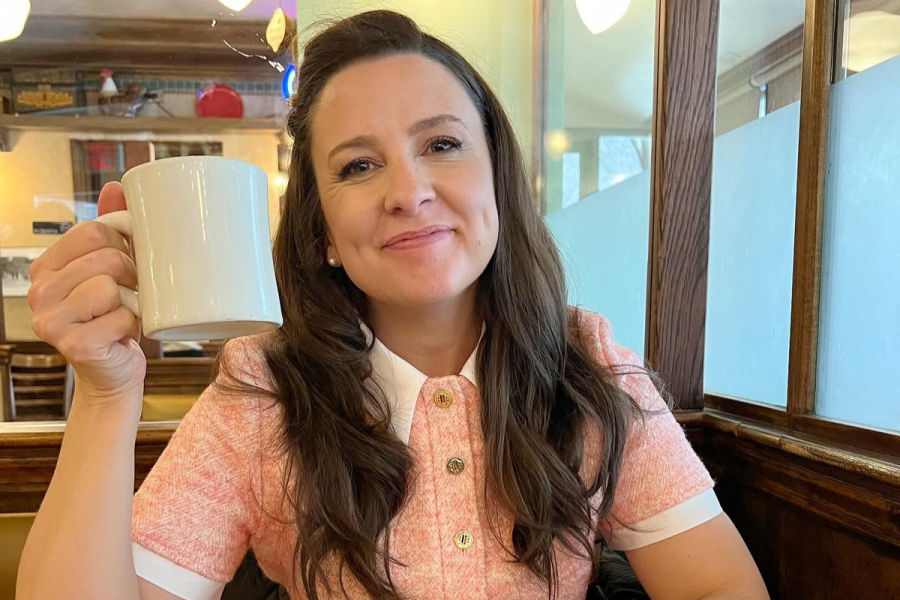
Ms Rachel has asked her followers to nominate one celebrity or political leader each week to speak out about Gaza, prompting debate over whether famous figures can make a meaningful difference by using their platforms to raise awareness of the crisis. The children's entertainer, whose real name is Rachel Griffin Accurso, announced the initiative in an Instagram post, explaining that the person receiving the most likes in the comments would be approached first.
The proposal invites followers to put forward influential names they believe should use their public platforms to draw attention to the humanitarian situation. It also places celebrities and political leaders in the same weekly nomination process, despite their very different levels of influence and decision-making power.
While Ms Rachel is encouraging public figures to speak out, some commenters have questioned why the focus should be on celebrities rather than politicians who have the authority to influence government decisions.
Why Are Fans Questioning The Celebrity Appeal?
The campaign has prompted criticism from some Reddit users, particularly over whether statements from internationally recognised entertainers could translate into practical assistance.
One commenter questioned what a public statement from Taylor Swift or Beyoncé would actually accomplish, asking: 'Genuinely asking, what would either of them accomplish if they spoke out against it? What power do they have to make any sort of change?'
Another highlighted the apparent preference for musicians over political figures in the nomination discussion.
'The fact that all the comments are Beyonce or Taylor Swift and no political leaders says a lot about the current state of things lmao,' they wrote.
The distinction is central to the criticism. Celebrities can bring attention to humanitarian issues through their audiences, but they do not have the same decision-making authority as government officials and policymakers.
One user said they would prefer Ms Rachel to concentrate on political leaders, writing: 'Normally I'm team Ms Rachel for life, but I don't love this approach.'
They added that they did not believe 'heckling random celebrities to speak out' would achieve much.


Concerns About Fan Culture And Backlash
Other commenters questioned whether the initiative could become more about celebrity loyalty than meaningful action.
Some described the campaign as fulfilling 'the egos of both stans and antis', arguing that supporters might feel reassured when their favourite celebrity speaks out, while critics could use the opportunity to target public figures they already dislike.
The same commenter questioned whether a statement from Taylor Swift would influence political leaders, suggesting that Ms Rachel's requests would be better directed towards people with political authority.
Another user expressed concern that the entertainer's approach could backfire, although they acknowledged her willingness to remain outspoken.
These reactions represent individual opinions rather than a wider measure of public sentiment. Nevertheless, they highlight the disagreement surrounding celebrity activism: whether public statements are a useful starting point for awareness or whether attention should be directed towards those with the power to make policy decisions.
The Humanitarian Crisis Behind The Campaign
The needs highlighted in Ms Rachel's post are reflected in reporting from the United Nations Office for the Coordination of Humanitarian Affairs (OCHA), the UN Secretariat department responsible for coordinating humanitarian responses.
In its Humanitarian Situation Report dated 15 October and published on 19 October 2026, OCHA reported that approximately 950,000 displaced people were living in sites at medium to high risk of flooding, including more than 400,000 at high risk.
The report also said daily cooked-meal production had fallen by approximately 12 per cent to 614,000 amid funding constraints. Separately, around 1.98 million people required shelter and non-food assistance.
OCHA also highlighted shortages of fuel, essential supplies and medicines, warning that these were threatening health and water services. The figures underline the scale of the humanitarian needs facing families in Gaza.
While celebrities may use their platforms to direct attention towards humanitarian issues and aid efforts, political leaders and institutions have different responsibilities and forms of influence.
Ms Rachel's campaign has yet to establish whether any of the nominated public figures will respond or whether the initiative will lead to further assistance.
For now, her question remains open: 'Who should we ask to help?'