Ms Rachel has opened up about the emotional toll of being labelled controversial for advocating for children's rights, admitting that she has sometimes felt misunderstood. Speaking in an interview, she questioned why saying children deserve to live and thrive could provoke such a strong reaction.
During an appearance on Hasan Minhaj Doesn't Know, the YouTuber and activist reflected on how she hoped people might view her activism differently in the years ahead. 'Maybe in like 20 years people wouldn't be so upset about me saying kids deserve to live,' she said, before admitting she had felt 'like so misunderstood at times'. The conversation appears in an episode titled 'Ms. Rachel is So Mad She Said F*ck'.
Ms. Rachel on Hasan Minhaj's podcast interview: "Maybe in 20 years people wouldn't be so upset about me saying kids deserve to live. I was recently introduced as a controversial person. Wanting kids to live and thrive and have their human rights is not controversial." pic.twitter.com/PS4W7c1GXC
— article (@ImissBanana) November 26, 2026
'I'm Not Controversial'
Rachel Anne Accurso, better known as Ms Rachel, pushed back against how she had been introduced, questioning why she was presented that way. 'I'm not controversial. I'm not polarising. Wanting kids to live and thrive and have their human rights is not controversial,' she told Minhaj.
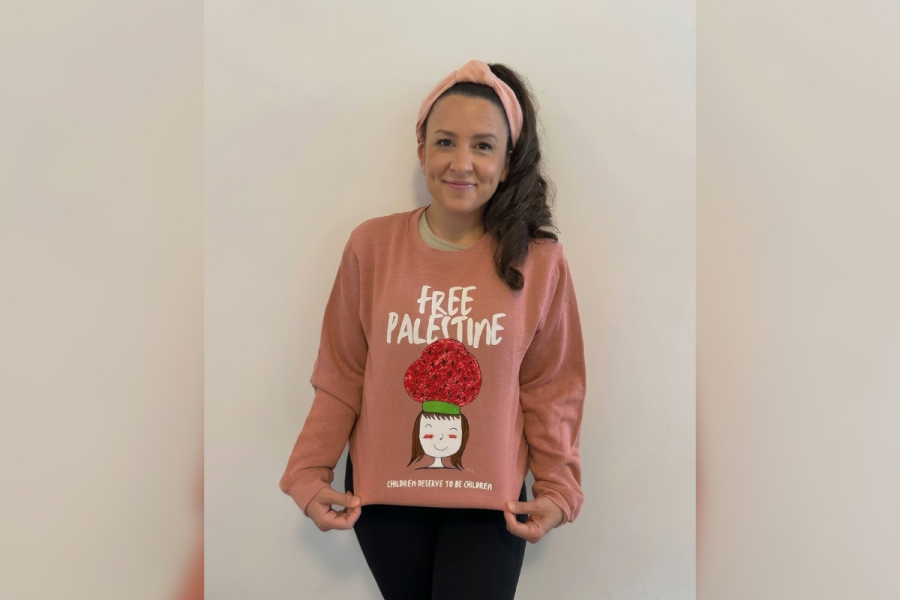
Her remarks came during a wider discussion about her decision to speak publicly about the suffering of Palestinian children. She believes every child deserves safety, dignity and human rights, regardless of background.

The Backlash Behind Her Words
Accurso told Minhaj that calls for a Department of Justice investigation and a letter had initially left her frightened and confused. She said the uncertainty sometimes caused her to pause her advocacy for about a week.
She also recalled a friend receiving hostile reactions after posting something supportive and being accused of sympathising with terrorists. Accurso said the experiences had made her stronger, adding that she knew her own heart and had a deep love for children of all religions.
The interview prompted discussion on Reddit, where some commenters defended her position, with one describing her message as 'pretty clear and straightforward'. Others criticised the hostility directed at Accurso, praised her for using her platform to speak about children's rights and questioned why advocating for children's lives should be considered political.
Ms. Rachel Explains How Mr. Rogers’ “Radical” Programming Inspired Her: “A Huge Responsibility” https://t.co/G2tGkBbZ0Q via @Deadline
— Matthew Valentinas (@MattValentinas) November 26, 2026
Why She Refuses To Stay Silent
Accurso also connected her approach to the influence of children's television pioneer Fred Rogers. She praised the way Mister Rogers' Neighborhood addressed difficult subjects, arguing that children's programming should help young viewers understand the world rather than pretend painful realities do not exist.
She recalled Rogers addressing public spending on weapons in an episode of his programme, showing that children's television could tackle political questions. Accurso also highlighted his decision to share a swimming pool with Black colleague François Clemmons during segregation, a visible challenge to racial divisions.
The example was personal for Accurso, who said she had used an image of Rogers sharing the pool with Clemmons as her phone screensaver. She looked at it when she needed encouragement, and described talking to Rogers in her thoughts, asking for advice and thanking him.
Accurso's own work has extended beyond songs and speech-development lessons. She has spoken about children in Gaza and supported fundraising efforts, while insisting children everywhere deserve protection. She sees children in the Congo, Sudan and Gaza with the same concern she feels for her own children everywhere.