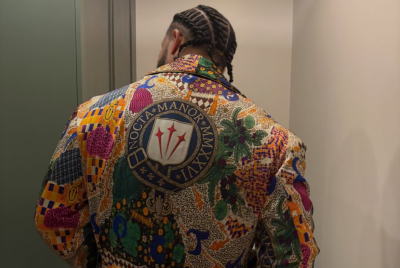

Nigel Cabourn, the celebrated British designer known for transforming utilitarian military garments into high-end fashion statements, has died aged 77. His passing marks the end of a distinctive era in menswear, one defined not by fast-moving trends, but by craftsmanship, history, and a deep respect for clothing with a story.
For decades, Cabourn stood apart in an industry often driven by seasonal reinvention. While many designers chased novelty, he looked backwards, towards wartime uniforms, Arctic exploration gear, and archival workwear pieces that were built for survival rather than style. In his hands, these rugged references became something entirely new: wearable, timeless fashion that resonated far beyond Britain.
A Designer Shaped by Function, Not Fashion
Born in the north of England, Cabourn's design philosophy was rooted in function and purpose. Long before he became a recognised name in global fashion, he was already fascinated by garments designed for survival—military uniforms, expedition wear, and rugged workwear built to endure extreme conditions.
This early influence would later become the foundation of his career, setting him apart from designers who focused on seasonal trends and fast-moving aesthetics.
Turning Military Heritage Into Modern Style
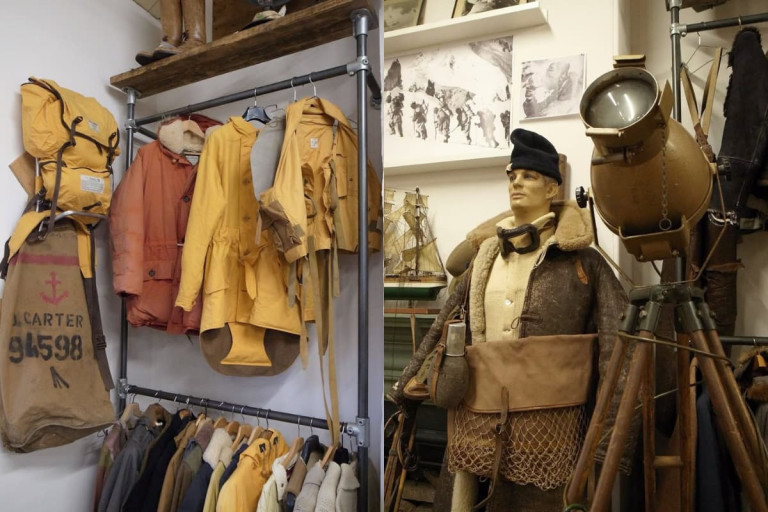
Cabourn launched his eponymous label in the 1980s, at a time when bold branding and trend-driven fashion dominated the industry. Instead of following the crowd, he looked backwards.
His collections often drew inspiration from genuine vintage military pieces, carefully studied and reinterpreted for modern wear. Parkas, field jackets, and utility trousers became central to his design language, each piece carrying a sense of history and authenticity.
Rather than treating fashion as something disposable, Cabourn treated it as archival storytelling.
A Quiet but Powerful Global Influence
While never chasing mainstream celebrity status, Cabourn's influence quietly spread across global fashion. His work helped shape the rise of 'heritage fashion', inspiring brands such as Converse, Fred Perry, and Umbro to embrace more rugged, vintage-inspired design directions.
His approach proved that fashion did not need to be loud to be impactful. Instead, it could be grounded, functional, and deeply narrative-driven.
Over time, his design philosophy became a reference point for designers seeking authenticity in an increasingly commercialised industry.

Respect for Craftsmanship and History
One of Cabourn's defining principles was respect, for the garments, the people who wore them, and the history behind them. He often worked from original archival pieces, ensuring that every design carried a connection to real-world heritage.
This dedication to detail earned him a loyal following among collectors and fashion purists who valued substance over spectacle.
In many ways, his work blurred the line between fashion and historical preservation.
A Legacy That Redefined Modern Menswear
Tributes from across the fashion industry have highlighted Cabourn's role in reshaping how people view clothing. His emphasis on durability and reuse also positioned him as an early advocate of what would later be recognised as sustainable fashion principles.
At a time when fast fashion dominates global markets, his philosophy feels increasingly relevant.
Why His Design Philosophy Still Feels Relevant Today
One of Cabourn's most enduring contributions is his resistance to fast fashion culture. At a time when clothing is often produced for short-term consumption, his work emphasised durability, repairability, and emotional connection to garments.
This approach now aligns closely with modern sustainability conversations in fashion. Long before 'eco-friendly' became an industry keyword, Cabourn was already proving that longevity is the most sustainable design principle of all.
His work continues to influence designers who are rethinking production cycles, encouraging slower, more intentional fashion choices.
Nigel Cabourn's legacy lives on not only in his collections but in the wider design language of modern menswear. He showed that clothing could carry memory, meaning, and identity, long before those ideas became industry talking points.
As the fashion world reflects on his passing, one truth remains clear: Nigel Cabourn did not just design clothes—he redefined what they could represent.